Movies
Marathi cinema in high gear

The Marathi movie market is set to enter into a new phase of growth as Star, Reliance ADAG and the Sakaal Group plan to launch general entertainment channels in this langauge space.
Marathi film producers suddenly see a fresh demand for their content, which was being consumed largely by Zee Marathi and to a lesser extent by ETV Marathi.
 Satellite TV telecast rights for Marathi movies have surged, encouraging producers to increase their production pipeline. “The average purchase of these rights for the popular movies have more than doubled,” says a trade expert who is involved in such transactions.
There are also more outright purchase of movies and at higher prices. Zee Marathi is said to have spent Rs 4.6 million for the perpetual rights of Tingya, much more than a hit Marathi movie would have cost two years back.

Some movie rights holders are hanging on to their library with the expectation that prices will further escalate. Says Video Palace owner Nanu Bhai, “I have some 30 Marathi superhit movie rights along with Everest Video. But we are in no hurry to sell them. Let prices further increase.”
|
Top five grosser of 2007-08
|
|
| Films | Total Collections |
| De Dhakka | RS 60 million |
| Saade Maade Teen | RS 45 million |
| Valu | RS 30-35 million |
| Tingya | RS 15 million |
| Aamhi Satpute | RS 12.5 million |
It is only after 2004, when Shwaas (which literally means breathe) gave a fresh lease of life to Marathi cinema. Even though Shwaas was sent to Academy awards, the producers had to hunt for money through charity shows to present the film there.
 Post Shwaas, however, the market started expanding. The awareness about Marathi cinema increased considerably with creativity in subject, promotion, distribution and technical advancements. Also in Maharashtra, the state government’s rule that every multiplex has to run Marathi movies has changed the fate of this market.
But what has fuelled the growth is the entry of corporates into the market. The roster includes Zee Entertainment Enterprise Ltd (Zeel), Reliance and Mukta Arts.
 Zee has been the most aggressive player. Zeel director of regional channels Nitin Vaidya had earlier told Indiantelevision.com that it would be investing RS 300 million for a slate of 15 Marathi movies in two years.
Mukta Arts has also chalked out its production plans. The Subhash Ghai promoted company released Sanai Choughade on 20 June; another flick Prarambh is slated for August release.
With the pumping in of more money, the industry is going to see more movies being made. In 2006, around 45 movies were released in theaters while the number rose to 67 in 2007. In 2008, more then 80 movies are expected to hit the theatres.
 The size of the market is expanding. Says Akhil Bharatiya Marathi Chitrapat Mahamandal president Ajay Sarpotdar, “The Marathi movie market (theatrical) was not more than RS 50 million in 2006. It managed to touch RS 160 million last year with the government‘s screening rule for multiplexes. In the first six months of this year, we have already crossed RS 220 million and expect to over Rs 350 million by the end of the year.”
The major problem with Marathi cinema was its promotion and distribution wherein a lot depended on word of mouth publicity. Even though a Marathi movie costs not more than RS 6-7 million, producers did not have enough cash to put in money for promotions.
That game is fast changing. As per market estimates, Zee Talkies has invested over RS 15 million in promotion of De Dhakka, a budget earlier unheard of. The movie has reaped over RS 60 million in collections so far.
“With the kind of publicity we can do through our network, we already have an advantage over our rivals. We are bullish about the Marathi movie market,” says a senior executive in Zee Talkies.
 Mukta Arts is also planning to invest in scripts, marketing and promotion. “We are in search for good scripts as content is what drives the audience,” says Mukta Arts CEO Ravi Gupta.
Adds senior Marathi producer Mahesh Kothare, “With the right kind of money, promotions and marketing, the Marathi movie market is growing very fast. Corporatisation is an added boon as they can easily spend over Rs 10 million in promotions.”
Being made on as low as Rs 6-7 million budgets, the business dynamics has turned favourable as Marathi general entertainment channels grow in number and are keen to lap up movie content.
Sums up Galgale Nighale‘s director Kedar Shinde: “We are currently in the first gear. Very soon, we will be driving in high gear.”






Hollywood
Paramount eyes $24bn Gulf support to fund Warner Bros Discovery merger: Reports
Sovereign funds line up funding as media giants chase streaming scale
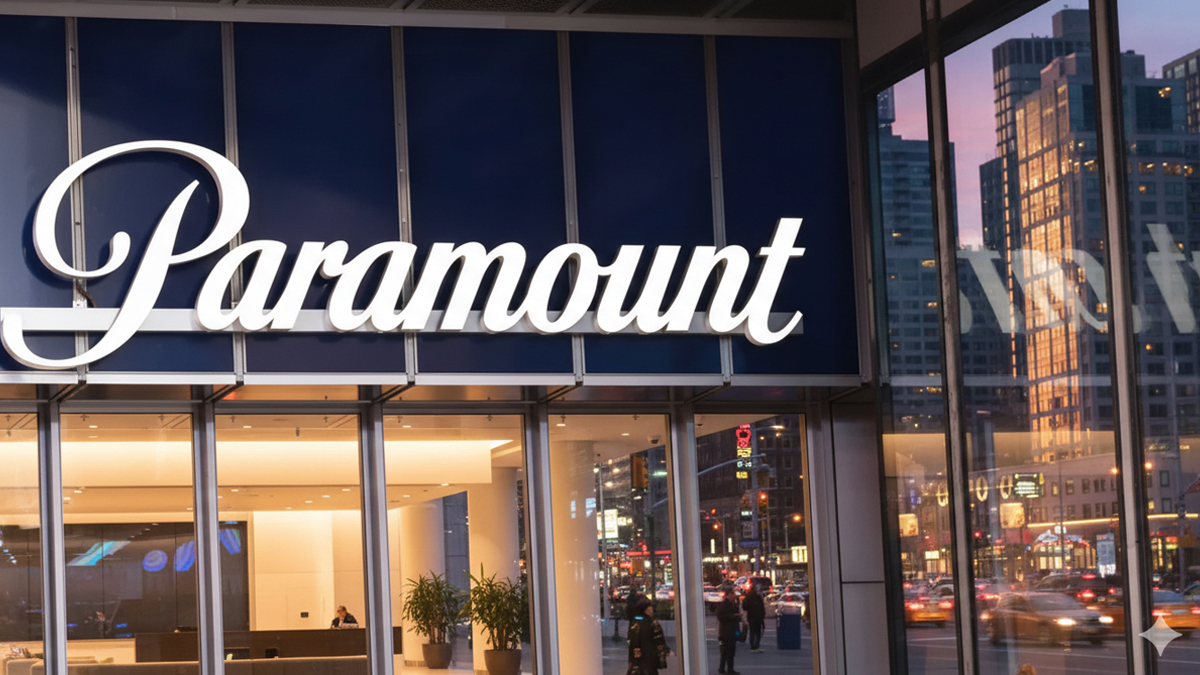
NEW YORK: Paramount Skydance is in talks to secure nearly $24 billion in equity commitments from Gulf sovereign wealth funds to support its planned takeover of Warner Bros. Discovery, according to a WSJ report.
The funding push comes as Paramount Skydance advances its proposed $110 billion deal for Warner Bros. Discovery, which carries an equity valuation of $81 billion and is expected to close in the third quarter of 2026.
At the heart of the financing plan are three major Gulf investors. Saudi Arabia’s Public Investment Fund is expected to contribute roughly $10 billion, while the Qatar Investment Authority and Abu Dhabi-based L’imad Holding are likely to make up the remainder.
Crucially, the proposed investments are structured as non-voting stakes. This means the Gulf backers would not have direct control in the combined entity, a move designed to ease regulatory concerns in the United States. Paramount executives reportedly do not expect the deal to trigger scrutiny from bodies such as the Committee on Foreign Investment in the United States or the Federal Communications Commission.
If completed, the merger would bring together a formidable portfolio of entertainment and news assets, including CNN and CBS. The combined entity aims to better compete in a fast-evolving media landscape where streaming platforms are steadily pulling audiences away from traditional television.
The deal reflects a broader shift in global media, where scale is increasingly seen as essential to survive the streaming wars. By pooling content libraries, technology and distribution, Paramount Skydance and Warner Bros. Discovery are betting on size and synergy to drive future growth.
The involvement of deep-pocketed Gulf investors also underscores the growing role of sovereign wealth in shaping global media consolidation, particularly at a time when high-value deals demand equally large financial backing.
With shareholder votes and regulatory milestones still ahead, the proposed tie-up remains one of the most closely watched media deals of the year. If it clears the final hurdles, it could redraw the competitive map of the global entertainment industry.






