Brands
YouTube’s Satya Raghavan tells brands how to optimise their branded content

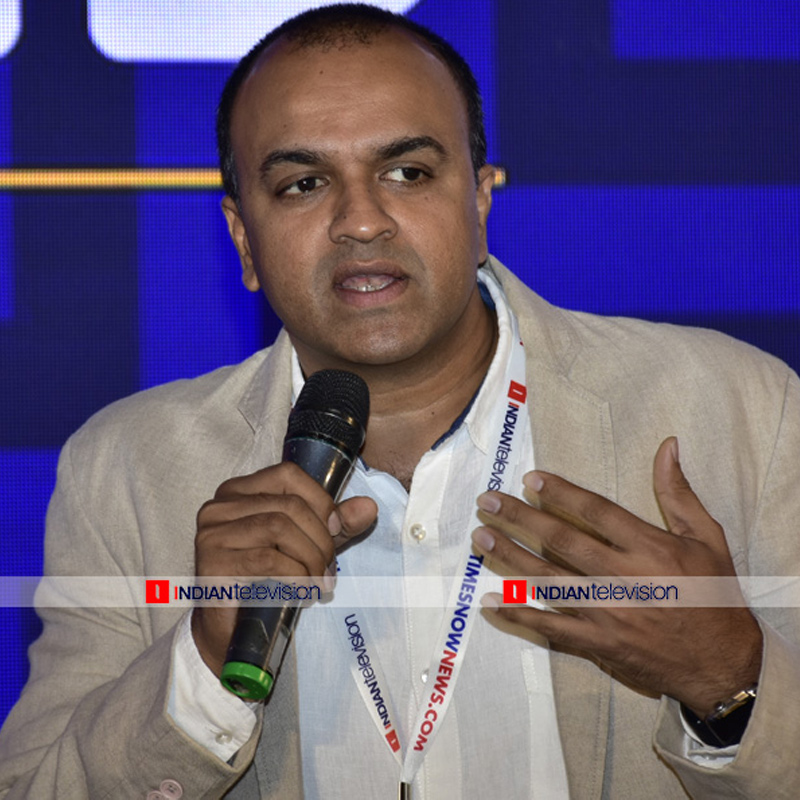
MUMBAI: Brands are aggressively producing branded video content and are willing to perform better in the dynamic environment, shared YouTube India director content partnerships Satya Raghavan during a fireside chat with Indiantelevision.com founder, CEO, and editor-in-chief Anil Wanvari at the recently concluded BrandVid 2019 conference.
Even YouTube has seen a rise in the number of branded content briefs. Raghavan said, “Last year, my team used to get, probably, one brief a week, but now they are getting three briefs a day. It is purely because the number of advertisers has increased and so has the frequency at which brands want to do engaging content.”
YouTube being a driver of the digital video content space is definitely benefitting from this increase in brands’ interest to connect with the audience in a more relatable and entertaining way. Raghavan shared that 2018 saw the platform reach amazing strengths. “The past two years before 2018 were literally a boom for anyone in the content space because of the reach they got through platforms like Jio and other telcos coming together. For us, it was really important because we saw it coming and started investing in content a little ahead of the curve. By the time that the initial tsunami settled down in 2018, we saw that our content was at an amazingly scalable place. Today, our platform has an active monthly reach of about 265 million people, who come here not just for entertainment but also for information and education.”

Raghavan went on to add that an extraordinarily large part of these active monthly users is composed of daily active users.
On being asked by Wanvari how the brands are leveraging this thriving ecosystem in terms of creativity, Raghavan mentioned that brands have become mature and are sensitive and smart to the needs of the people. They do not want to do the obvious or over the top brand integrations. They want the message to seamlessly fit into the content.
Raghavan mentioned that FMCG category was the most active on YouTube, going beyond advertising. He cited the example of Colgate that sponsored YouTube’s original series Arrived, “When I walked into the first meeting with them, I was a little nervous about whether they would ask me to have one of the contestants hold the pack and say ‘this is Colgate’. But remarkably, the kind of brief that I got was actually evolved. It was not over the top integration but about sublime integration.”
The other category that is creating a buzz on YouTube with its branded content is the category of brands that are digital-only. These brands focus on video advertising as their primary marketing tactic. He also added that most brands tend to add humour but they need to be smart about it.
Raghavan added that brands are getting interested in telling slightly longer stories that resonate with their brand positioning. These brands avoid the staid route of placing their logos. “They want impact, salience and measurability. Content should be just laid and not dragged for a purpose,” he said. The one key point he highlighted for branded content is that they should think of the frequency or consistency of the uploads.
Further, replying to Wanvari’s question around brands seeking paid visits to their content, Ragahavan noted that about 50-60 per cent of the views for an average content creator actually happens because of the YouTube algorithm in the form of ‘suggested videos’ or ‘up next’. “We tell brands that this is the place where you have to be; where the platform is working hard for you. So, you obviously will do advertising to reach out to a particular consumer but over time, any piece of content that a brand puts out should reach 70 per cent (organically).”
He continued that while 30 per cent of the reach comes through marketing spends, it can decrease as creators optimise their content to be picked up by the algorithm.





Brands
Dunkin’ Donuts to exit India as Jubilant FoodWorks ends 15-year franchise deal
The quick service restaurant giant is ending a 15-year franchise partnership with the American doughnut chain, even as it renews its Domino’s agreement for another 15 years
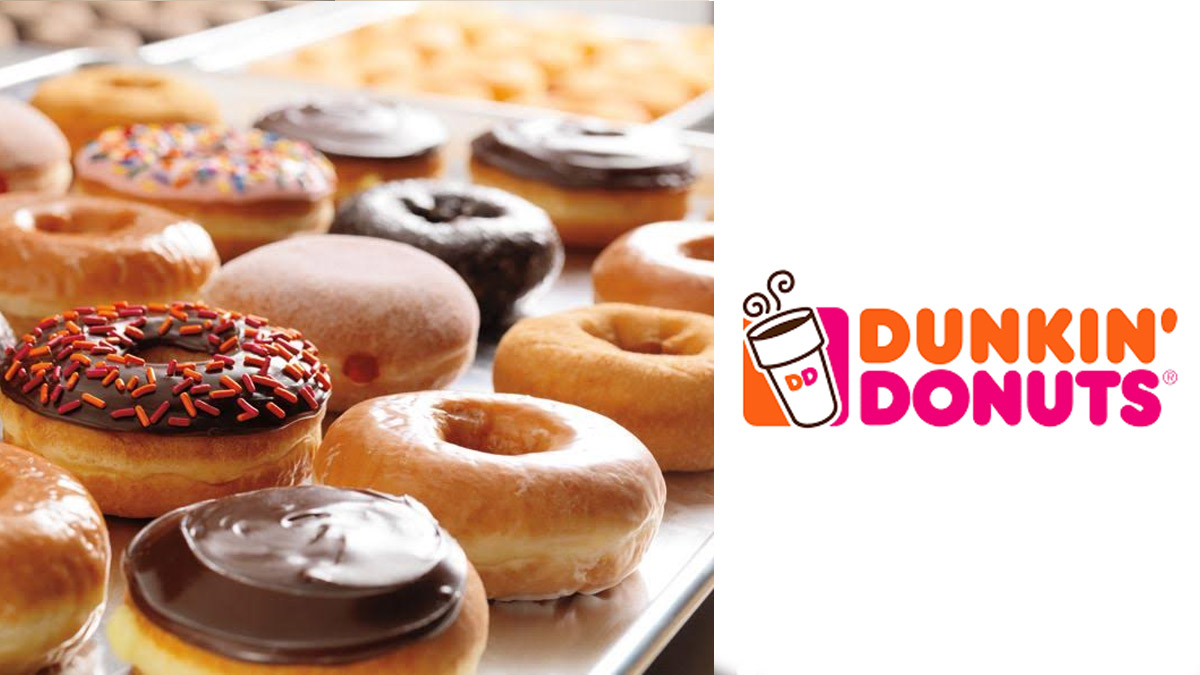
NOIDA: Dunkin’ is done in India. Jubilant FoodWorks Ltd, the country’s leading quick service restaurant operator, has decided not to renew its franchise agreement with the American coffee and doughnut chain, and will wind down its Indian stores in a phased manner before December 31, 2026, bringing a 15-year partnership to a quiet, loss-laden close.
The decision, approved by JFL’s board on March 30, 2026, ends a relationship that began with a Multiple Unit Development Franchise Agreement signed on February 24, 2011. JFL will now evaluate and undertake what it described in a regulatory filing as the “rationalisation and/or cessation of certain operations and/or sale, transfer or disposal of assets and/or assignment or transfer of franchise rights,” all in consultation with Dunkin’s brand owners and strictly within the terms of the original agreement.
The numbers tell the story bluntly. In the financial year 2024-25, Dunkin’ India posted a revenue of Rs 37 crore against a loss of Rs 19 crore — a haemorrhage that was always going to test the patience of a parent company recording revenues of Rs 6,104 crore and a profit of Rs 194 crore in the same period. Doughnuts, it turns out, were never going to move the needle.
The contrast with JFL’s handling of its other marquee franchise could hardly be sharper. Even as it walks away from Dunkin’, the company has just doubled down on Domino’s, signing a fresh Master Franchise Agreement on March 31, 2026, granting it exclusive rights to develop and operate Domino’s Pizza stores in India for 15 years, with an option to renew for a further 10.
JFL, incorporated in 1995 and promoted by the Bharatia family, operates a network of more than 3,500 stores across six markets — India, Turkey, Bangladesh, Sri Lanka, Azerbaijan and Georgia. Its portfolio includes Domino’s and Popeyes on the global side, and two home-grown brands: Hong’s Kitchen and COFFY, a café brand in Turkey.
For Dunkin’, India was always a stretch. The brand never quite cracked the cultural code in a market where filter coffee and chai command fierce loyalty and where the doughnut remains, at best, an occasional indulgence rather than a daily habit. Fifteen years, mounting losses and a parent with better things to spend its capital on was always going to be a difficult equation to solve.
The doughnut has had its last day. The pizza, however, is staying.






