MAM
Yang bags Tradus.com creative biz

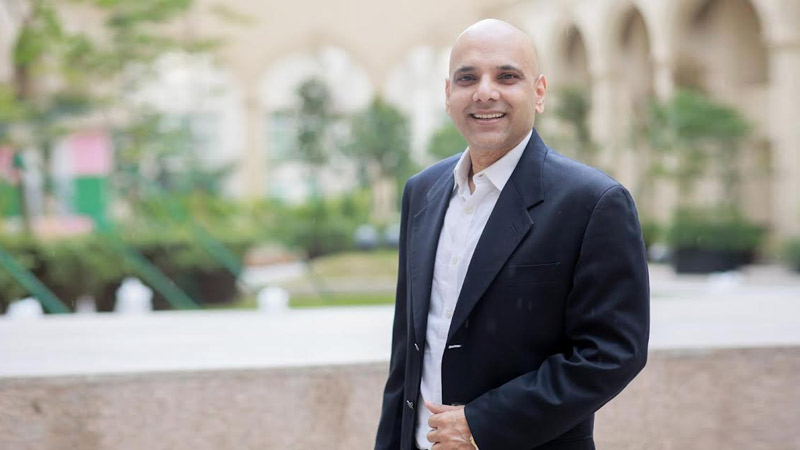
MUMBAI: E-commerce portal Tradus.com has handed its creative duties to Yang Communications following a multi agency pitch.
The media spend on Tradus is estimated to be in the range of Rs 100 million.
Yang managing partner Sanjay Sharma said, “In the current environment of slowdown, e-commerce has been an exception. The barriers of shopping on the net are coming down and Indian consumers have started enjoying this experience and the price benefit that comes along. Tradus.com has been an early mover in this space and now the challenge is to create an engaging brand out of an existing business.”

Yang managing partner Anil Verma said, “Online shopping is already becoming crowded and TV seems to be the playground. The creative opportunity is huge as most portals have not yet become well formed in the consumer’s mind. You will soon see a very engaging campaign on Tradus.”
Tradus managing director Krishna Motukuri said, “We are really excited about partnering with Yang to tell our story. Our virtual doors have been open for over two years and we have over 1000 reputed sellers on Tradus.com selling everything from clothes and mobile phones to toys and even plants. With this mass-media campaign, we are looking forward to making a big splash and raising awareness about the wholesale prices customers can find on Tradus.com.”
Tradus is a marketplace, where buyers and sellers mutually conduct transactions and offers a convenient shopping experience where one can buy a wide variety of products across 50 different categories ranging from the gadgets to hand-crafted jewelry. Since there are no retailers involved, the goods are available at wholesale prices.


MAM
Beacon Group appoints Dr Rajesh Patel as Group CEO
36-year healthcare veteran to lead Beacon Diagnostics, Vector Biotek, Biogeny.
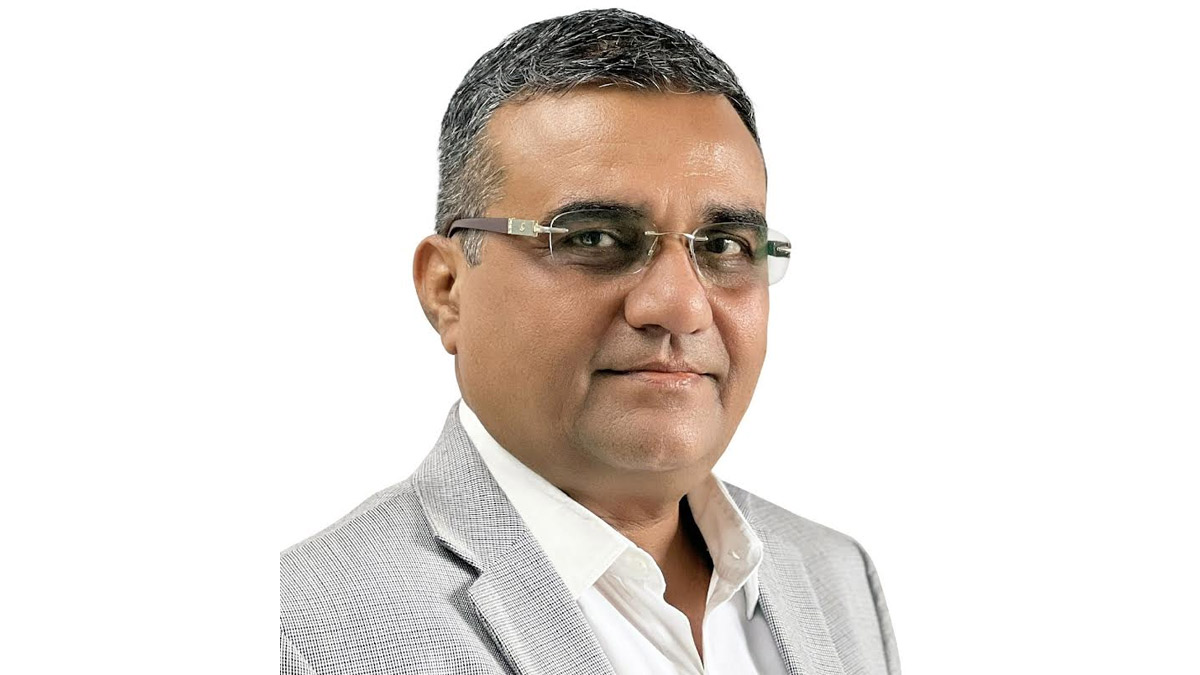
MUMBAI: A new chief, a fresh diagnosis and a sharper prescription for growth. Beacon Group has appointed Dr Rajesh Patel as its Group Chief Executive Officer, effective April 1, 2026, signalling a decisive push to scale its presence in the diagnostics and IVD space. Patel steps into the role with 36 years of experience across the healthcare and diagnostics industry, bringing a career shaped by leadership roles spanning sales, marketing, business development and operational strategy. His mandate is both expansive and precise: to steer the group’s overall strategic direction while tightening coordination across its three core entities Beacon Diagnostics, Vector Biotek and Biogeny Diagnostics.
In practical terms, that means driving cross-company synergies, accelerating market expansion and strengthening organisational capability areas increasingly critical as diagnostic players compete for scale in a fragmented yet rapidly evolving healthcare ecosystem. The group is positioning itself to capture unmet demand across chain laboratories, key accounts and standalone labs, segments that remain underserved despite growing diagnostic needs.
The appointment comes at a time when the In Vitro Diagnostics (IVD) sector in India is entering a more competitive and innovation-led phase, with companies focusing not just on product pipelines but also on service delivery, integration and customer-centric models. Beacon’s leadership appears to be betting that Patel’s execution-focused approach can help translate ambition into operational momentum.
Welcoming the appointment, Chairman Dr D K Joshi described Patel’s induction as a strategic move aligned with the group’s long-term vision, emphasising the role of leadership depth in navigating the next phase of growth.
For Beacon Group, the message is clear, in a sector where precision matters, leadership is the new differentiator—and this appointment is intended to set the tone for what comes next.






