MAM
Yahoo! India launches ‘Mobile Mega Fest’

MUMBAI: Marking the 10th anniversary of it’s parent company, Yahoo! India today announced the Yahoo! Mobile Megafest, an offer for mobile users across the country. Staring 21 March , mobile consumers will get an opportunity of downloading select ringtones, wall papers, polyphonic tones, mobile games, logos and picture messages free of cost through the Yahoo! India shotcode 8243.
Yahoo has also tied up with all its cellular partners like Hutch, Orange in Mumbai, Airtel, Oasis Cellular, Escotel, Aircel, Spice and Dolphin in Mumbai for coming up with this never before mobile offer in the country. For entering into this world of free mobile content, all a consumer needs to do is: SMS the word ‘Free’ to 8243.
Yahoo! India Mobile head Vishal Maheshwari said, “Yahoo! India’s mobile content, whether its ringtones, wall papers or java games is becoming a craze among the mobile users. Yahoo being one of the first providers of Short code access content is keen to expand the market for content based services, both in terms of attracting non users as well as increasing the depth of consumption among existing subscribers. We feel the Yahoo! Mobile Megafest will accomplish a lot of good for the mobile community’s a whole in terms of expanding the market for mobile content.”

During the Yahoo! Mobile Megafest, consumers can download unlimited content from a chosen list; whether it’s ringtones from latest Bollywood tracks, or fast paced mobile games like Desert Rally or Banana split no download fee will be charged. Only standard operator charges for SMS to shortcode 8243 will apply during this Megafest.
Normal download costs vary (depending on the operator) from Rs. 7 – 10 for ringtones to Rs. 50 – 99 for mobile games. For wall papers the standard rate of download is Rs. 10, for polyphonic tones its Rs. 10 -15, while the rate for downloading a logo or a picture message could vary from Rs. 3 – 8. Consumers will be freed of these charges during the Yahoo! India Mobile MegaFest. The Yahoo! Mobile Megafest will be on from March 21st to March 31st 2005.
“I request all Yahoo! India mobile users to participate in the Mobile Megafest and make Yahoo!’s 10th Anniversary celebrations a huge success in India. It’s a once in a lifetime opportunity for mobile lovers.” concludes Maheshwari.




MAM
Beacon Group appoints Dr Rajesh Patel as Group CEO
36-year healthcare veteran to lead Beacon Diagnostics, Vector Biotek, Biogeny.
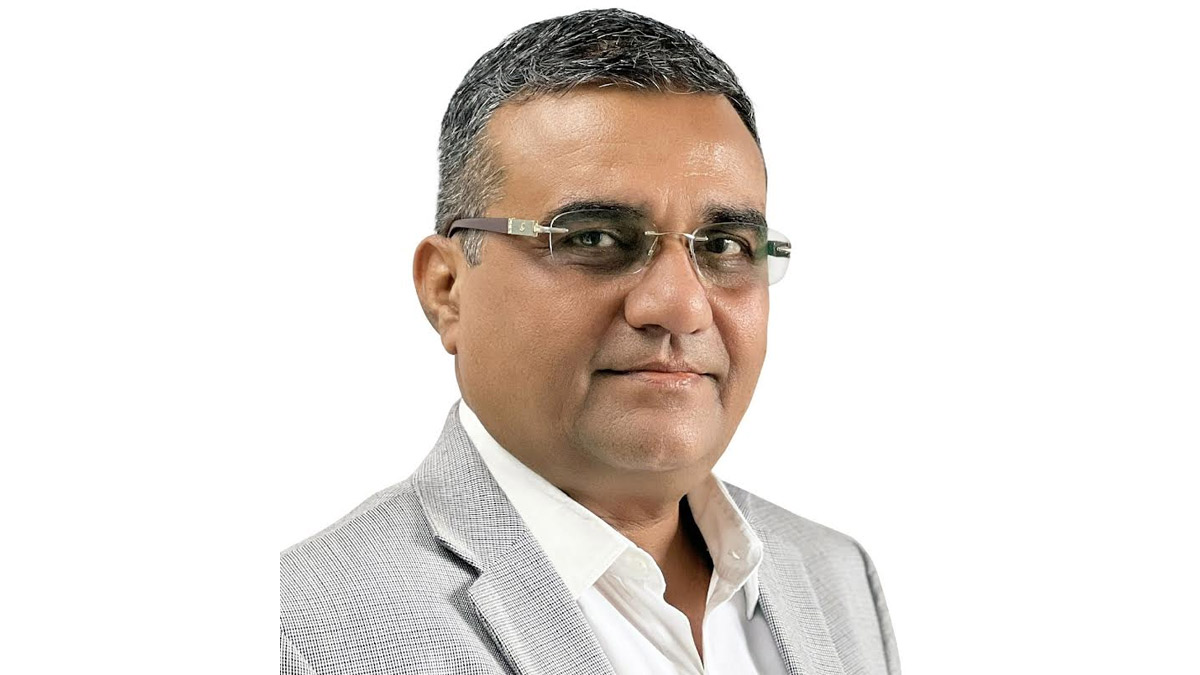
MUMBAI: A new chief, a fresh diagnosis and a sharper prescription for growth. Beacon Group has appointed Dr Rajesh Patel as its Group Chief Executive Officer, effective April 1, 2026, signalling a decisive push to scale its presence in the diagnostics and IVD space. Patel steps into the role with 36 years of experience across the healthcare and diagnostics industry, bringing a career shaped by leadership roles spanning sales, marketing, business development and operational strategy. His mandate is both expansive and precise: to steer the group’s overall strategic direction while tightening coordination across its three core entities Beacon Diagnostics, Vector Biotek and Biogeny Diagnostics.
In practical terms, that means driving cross-company synergies, accelerating market expansion and strengthening organisational capability areas increasingly critical as diagnostic players compete for scale in a fragmented yet rapidly evolving healthcare ecosystem. The group is positioning itself to capture unmet demand across chain laboratories, key accounts and standalone labs, segments that remain underserved despite growing diagnostic needs.
The appointment comes at a time when the In Vitro Diagnostics (IVD) sector in India is entering a more competitive and innovation-led phase, with companies focusing not just on product pipelines but also on service delivery, integration and customer-centric models. Beacon’s leadership appears to be betting that Patel’s execution-focused approach can help translate ambition into operational momentum.
Welcoming the appointment, Chairman Dr D K Joshi described Patel’s induction as a strategic move aligned with the group’s long-term vision, emphasising the role of leadership depth in navigating the next phase of growth.
For Beacon Group, the message is clear, in a sector where precision matters, leadership is the new differentiator—and this appointment is intended to set the tone for what comes next.






