MAM
WPP echoes Aegis’, Zenith Optimedia’s ad growth forecasts

LONDON: WPP Group, the world’s third largest advertising company echoed the sentiments expressed by Aegis Group, Zenith Optimedia and outdoor major JC Decaux.
The company’s chief executive Martin Sorell was bullish about an ad industry rebound in the second half of this year even as several UK-based print publications like Daily Mail and Evening Standardadmitted that the advertising market remained “challenging”.
In mid September, new figures released by media buying giant Zenith Optimedia indicated a slight increase on previous forecasts. The Zenith Optimedia reports indicate that global advertising expenditure is now expected to rise by a total of 3.2 per cent in 2003. However, it added that the television advertising market is showing no sign of recovery and is unlikely to do so until next year.

Poster giant JC Decaux, the world’s third largest outdoor advertiser, has warned that market conditions in Europe will continue to be “challenging”, although the UK and US markets are beginning to show signs of growth after a three-year slump.
Aegis, the holding company for Europe’s largest media agency Carat, claimed earlier this month that the advertising industry will finally recover from its prolonged slump next year. Aegis said the US market had already begun to recover although it warned there was still “little or no growth” in Europe.
Aegis chief executive Doug Flynn claimed that while signs from the US TV market were encouraging, other forms of US media are showing little improvement. However, he added: “The European market has been more disappointing with gains in some markets offset by weakness in others. Whilst the Japanese market remains flat, adspend in the rest of the Asia-Pacific region returned to solid growth after the SARS affected second quarter.”
But, print media seems to going through some turmoil. The UK’s Daily Mail and General Trust’s Associated Newspapers arm saw display advertising revenues down 3.5 per cent on last year in the 11 months to August, but the decline slowed in July and August.
The group said that retail advertising and travel industry ad volumes have recovered whereas most other major categories, particularly financial, have remained weak.
However, advertising head honchos are still keeping faith. WPP chief executive Martin Sorrell was quoted as saying that the second half of 2003 would be better than the first while adding that the growth was flat in the first.
Sorrell was confident that the forthcoming 2004 Athens Olympics would stimulate the industry recovery.

Brands
Netflix acquires Ben Affleck’s AI film-tech firm InterPositive
Streaming giant picks up production startup to streamline digital filmmaking
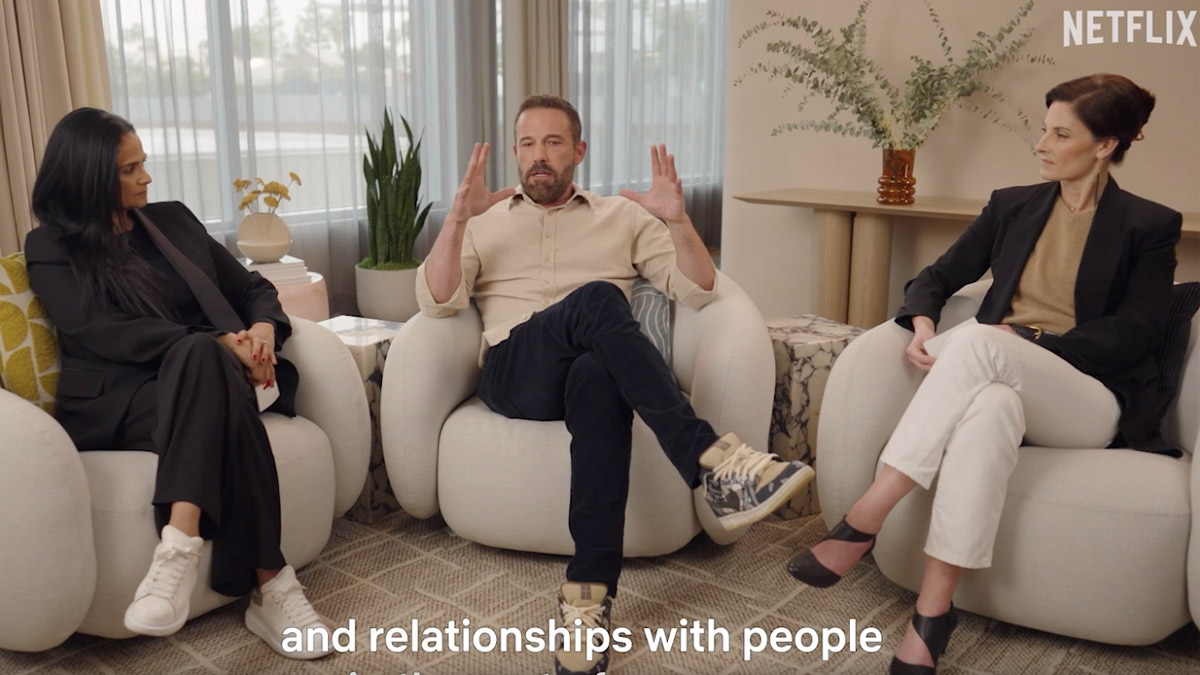
LOS ANGELES: Netflix has officially acquired InterPositive, an AI film-technology startup founded by actor and director Ben Affleck. The move marks a significant investment by the streaming service into assistive AI tools designed to support the technical side of movie production. While many AI companies focus on generating new images or scripts, InterPositive focuses on the logistical challenges of filmmaking. The firm’s technology is designed to handle technical tasks that often delay post-production, such as correcting lighting inconsistencies and ensuring visual continuity across different takes.
The acquisition is not about replacing human actors or writers. Instead, Netflix intends to use the technology as a digital assistant for directors. The software understands cinematic logic, meaning it can automatically adjust background elements or environmental effects to ensure a film looks polished and consistent without months of manual editing.
In a Netflix post on Thursday, Affleck emphasised that the project was born out of a desire to support the craft rather than automate it. “I knew I had a responsibility to my peers and our industry, to protect the power of human creativity and the people behind it. In creating InterPositive, I sought to do just that,” Affleck wrote. “From the invention of the moving image to the transition to digital, from motion capture to virtual production, technology has evolved alongside the artists who use it. Our shared commitment to continuing this legacy makes joining together a natural next step.”
Netflix chief product and technology officer Elizabeth Stone said, “Our approach to AI has always been focused on meaningfully serving the needs of the creative community. InterPositive’s technology is purpose-built for filmmakers and showrunners to naturally support their visions. We’re excited to welcome the team to Netflix and continue building a future where technology enhances storytelling, while people remain at the core.”
Netflix chief content officer Bela Bajaria added, “New tools should expand creative freedom, not constrain it. Ben and his team are part of a long tradition of artists leading innovation in storytelling. Their work gives filmmakers more choices, control, and protection for their vision.”
The deal coincides with a broader partnership between Netflix and Artists Equity, the production company led by Affleck and Matt Damon. Following the success of their recent projects on the platform, this acquisition cements Affleck’s role as both a creative and technical advisor to the streamer. Affleck noted that the partnership was a logical fit due to “Netflix’s decades of experience applying and scaling technology responsibly.” He will serve as a senioradvisor for the integration of the technology, ensuring the tools remain focused on helping filmmakers.
For the film industry, this acquisition signals a shift in strategy. Rather than just buying finished movies, Netflix is now owning the specialized technology used to build them. By bringing these tools in-house, the company aims to reduce the rising costs and lengthy timelines associated with high-budget original films while giving their productions a technical edge in speed and visual quality.