MAM
World Emoji Day: Brands show creativity


World Emoji Day: Brands show creativityNEW DELHI: Brands across segments didn’t leave any stone unturned to celebrate World Emoji Day. Brands seized the opportunity to get creative with brand posts – some quirky, some straight and some with contests.
World Emoji Day is celebrated on 17 July annually since 2014 and is a global celebration of emojis that have transformed in great ways from the realms of texting, advertising and marketing to having its own official day.
There is no denying that emojis have the power to inform you of someone’s mood without words and brands bank on this trait of emoticons with World Emoji Day brand posts. Due to the pandemic, this time, brands carried out the celebration by spreading awareness about precautions through emojis.

Tech giants Apple and Google announced new emojis. Apple has announced that the company would adopt 13 emojis from Emoji 13.0, approved by Unicode Consortium. Google, on the other, will introduce all the 117 emojis from the Emoji 13.0 with the Android 11 update.
Meanwhile, here are some top brands that made the best use of emojis.
Sony PIX:
PDT
Sony Pictures Networks: https://instagram.com/stories/sonypicturesnetworks/2355064689641620147?utm_source=ig_story_item_share&igshid=bb8a8bqm9ww3
Kotak Mahindra Bank:
Glucon-D:
Tata Group:
Amul:
Nicotex:
Zee Cafe:
Star Sports:
&flix:
Tata Sky:
&TV:
Sleepwell:
What's your morning mood??? #WorldEmojiDay
— Sleepwell (@mysleepwell) July 17, 2020
Helix:
SleepXIndia:
Happy #WorldEmojiDay to all those who cannot send a single message without an emoji in it pic.twitter.com/VqayIAFp1V
— SleepXIndia (@sleepx_india) July 17, 2020
Mumbai Metro:
#Metrokars, express yourself with #MetroEmojis. Smash the like button now to get them! #WorldEmojiDay#HaveANiceDay #MumbaiMetroOne #MumbaiMetro #Emoji pic.twitter.com/jPO6ZupOpd
— Mumbai Metro (@MumMetro) July 17, 2020
Volkswagen Financial Services –
This #WorldEmojiDay, get the absolute peace of mind, when you finance with #VolkswagenFinancialServices#Emoji #MotorFinance #MotorLoan #VWFS #VW #Skoda pic.twitter.com/kj5NvHGj5a
— Volkswagen Finance (@vwfsIndia) July 17, 2020
Axis Direct :
Not everything in life can be said with words; say it with Emojis instead! #WorldEmojiDay #SimpleHai
Posted by AxisDirect on Thursday, 16 July 2020
MX player:
PayPal:
Britannia:
Dabur:







MAM
Beacon Group appoints Dr Rajesh Patel as Group CEO
36-year healthcare veteran to lead Beacon Diagnostics, Vector Biotek, Biogeny.
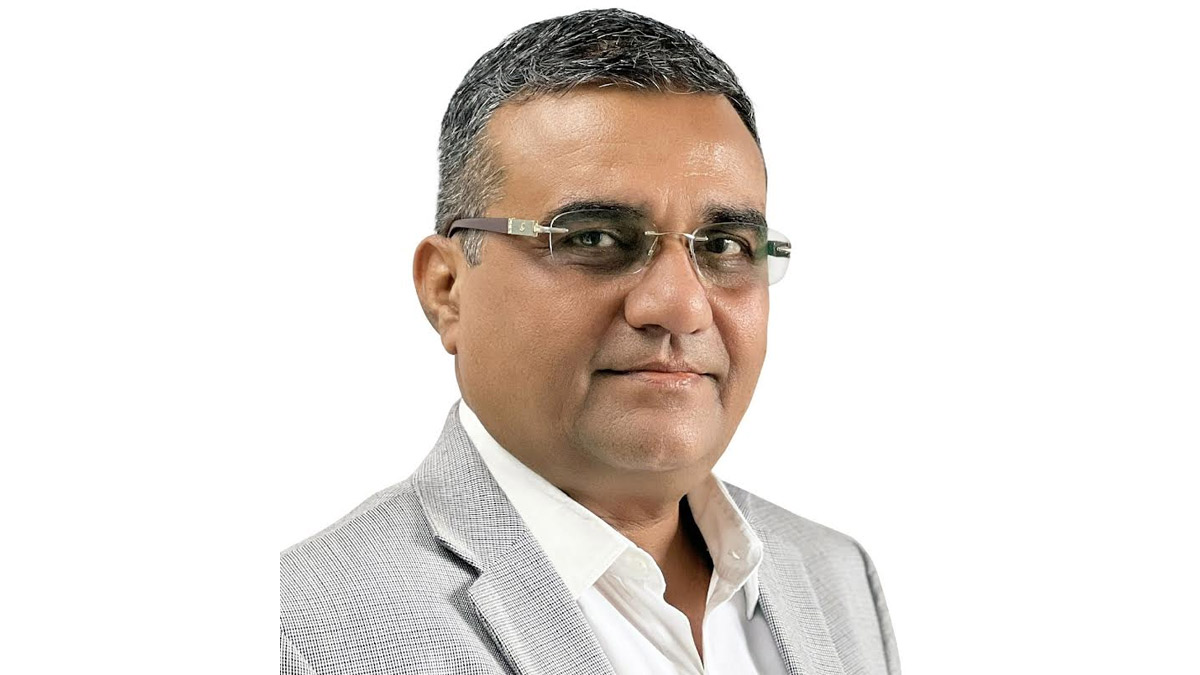
MUMBAI: A new chief, a fresh diagnosis and a sharper prescription for growth. Beacon Group has appointed Dr Rajesh Patel as its Group Chief Executive Officer, effective April 1, 2026, signalling a decisive push to scale its presence in the diagnostics and IVD space. Patel steps into the role with 36 years of experience across the healthcare and diagnostics industry, bringing a career shaped by leadership roles spanning sales, marketing, business development and operational strategy. His mandate is both expansive and precise: to steer the group’s overall strategic direction while tightening coordination across its three core entities Beacon Diagnostics, Vector Biotek and Biogeny Diagnostics.
In practical terms, that means driving cross-company synergies, accelerating market expansion and strengthening organisational capability areas increasingly critical as diagnostic players compete for scale in a fragmented yet rapidly evolving healthcare ecosystem. The group is positioning itself to capture unmet demand across chain laboratories, key accounts and standalone labs, segments that remain underserved despite growing diagnostic needs.
The appointment comes at a time when the In Vitro Diagnostics (IVD) sector in India is entering a more competitive and innovation-led phase, with companies focusing not just on product pipelines but also on service delivery, integration and customer-centric models. Beacon’s leadership appears to be betting that Patel’s execution-focused approach can help translate ambition into operational momentum.
Welcoming the appointment, Chairman Dr D K Joshi described Patel’s induction as a strategic move aligned with the group’s long-term vision, emphasising the role of leadership depth in navigating the next phase of growth.
For Beacon Group, the message is clear, in a sector where precision matters, leadership is the new differentiator—and this appointment is intended to set the tone for what comes next.






