Brands
Will never look at rebranding Vicks: P&G India


MUMBAI: Nearly all of us remember the Vicks ad that went viral last year featuring transgender social worker Gauri Sawant and her daughter Gayatri. The ad touched and moved many. In the second phase of the campaign, Vicks has launched a new digital campaign for its #TouchOfCare brand proposition.
‘One in a Million’ is yet another inspiring story, this time of Nisha, a young girl who has Ichthyosis, a genetic skin condition. The transformation of Nisha due to the love and care provided by her adoptive parents Aloma and David Lobo, forms the crux of this digital video.
Created by Publicis Singapore, the story is a first-person narrative by Nisha, an orphaned girl with Ichthyosis who was abandoned by her biological parents when she was just two weeks old.

Ever since the company launched its first digital movie in 2017, people have been curious and anticipating #TouchOfCare to turn into a series and a long term campaign. Though the multinational corporation did not see the campaign becoming this big and receiving the response that it did, P&G Healthcare regional associate brand director for Asia Maithreyi Jagannathan said that the objective of the campaign was to drive on the equity of the brand and make it beyond just a cough and cold brand so that people don’t think of P&G only when they are sick.
2017 Vicks #TouchOfCare ad:
The new digital campaign is another example of cause marketing that seems to be the recent trend in the industry. Nearly everyone wants to associate with a cause and showcase that in their advertisement. It may often become a challenge for a marketer to distinguish the media spends between cause driven campaign and functionality driven campaign. P&G however seems to have it sorted as Maithreyi confirms that while this is more of a creative campaign, the company will continue to use its functional campaigns on all media platforms.
The Gauri Sawant film went massively viral on digital as it was a digital-first campaign and only after the team saw the phenomenal response it received, it decided to leverage other traditional mediums to promote the campaign. Similarly, for this second phase of the campaign, while it has kicked off with digital, as and when the campaign grows bigger, it will use a mix of television and print to reach the masses.
Content driven marketing is becoming larger by the day and P&G does not want to be left out on it. Mentioning that it has to be a balance between data driven content and functional advertising, Vicks India country marketing manager Ritu Mittal added, “Content driven marketing is a lot more data driven today because the clear objective is that you need more people to see it. Nobody will share functional advertisement on their social media but thousands will share a powerful content.”
2018 Vicks #TouchOfCare ad:
Vicks has been around for over a decade and many may see the brand as a grandmother brand that the Gen-Z may not completely resonate with. So much so that the formulation for Vicks hasn’t changed in the last 128 years. So, is there a dire need for brand Vicks to reinvent itself? P&G clearly doesn’t seem to think so. Mittal said, “You change the brand positioning only when the brand is not working and Vicks has been doing great numbers for us and so we don’t need to rebrand the product.”
Whether the decision to stick to the traditional form of Vicks works for or against the brand, only time will tell. But maybe the #TouchOfCare campaign was indeed a saviour for the company to get the millennials’ eyeballs as they are all about cause buying.







Brands
Ambit appoints Skanda Jayaraman as co-head of investment banking business
Leadership rejig sharpens ECM focus and expands sector-led advisory push
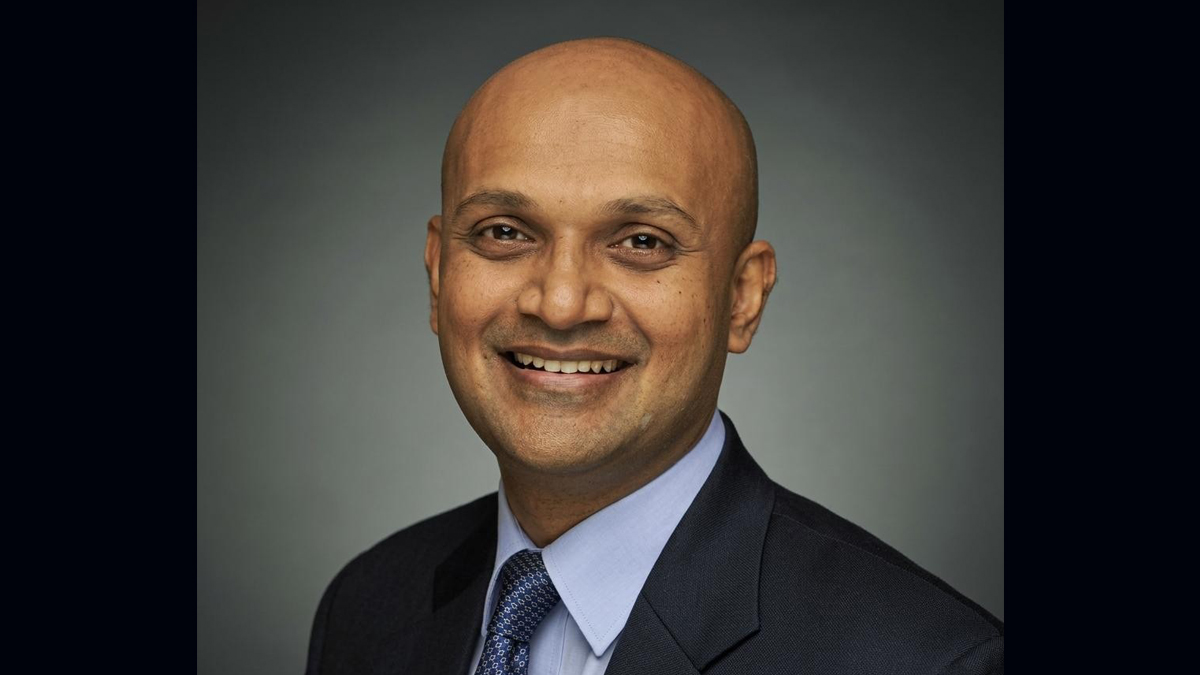
MUMBAI: Ambit Private Limited has strengthened its investment banking leadership with the appointment of Skanda Jayaraman as co-head of the division, signalling a sharper push into sector-led advisory and capital markets.
Jayaraman will share leadership responsibilities with Rahul Mody, as the firm looks to scale its advisory franchise and deepen client engagement across industries. The move is part of a broader leadership rejig aimed at expanding Ambit’s reach and execution capabilities in a competitive dealmaking environment.
With more than two decades of experience across fintech, investment banking and credit risk, Jayaraman brings a varied background to the role. He most recently founded Altflow Advisors, where he built a data-driven platform for the BFSI sector and advised mid-market clients on capital raising. Earlier, he served as CEO of Qapita Marketplace in Singapore and held a senior role at Spark Capital Advisors.
Alongside this appointment, Ambit has also realigned internal roles. Vikas Khattar will now focus exclusively on scaling the firm’s equity capital markets business while continuing to deepen its financial sponsors group coverage. The firm sees ECM as a key growth engine, driven by strong scalability and increasing capital market activity.
Commenting on the leadership changes, Ambit Private Limited group CEO Ashok Wadhwa said, “Skanda’s appointment marks an important step in driving the next phase of Ambit’s growth journey. His entrepreneurial mindset and strong execution track record will be instrumental as we partner with emerging and established leaders.”
The new structure is expected to enable more focused, sector-driven engagement, supported by dedicated leadership across key verticals. For Ambit, it is a case of tightening the top deck to play a bigger hand in India’s evolving M&A and capital markets landscape.






