Digital
Wikimedia Foundation taps Bernadette Meehan as its new chief executive

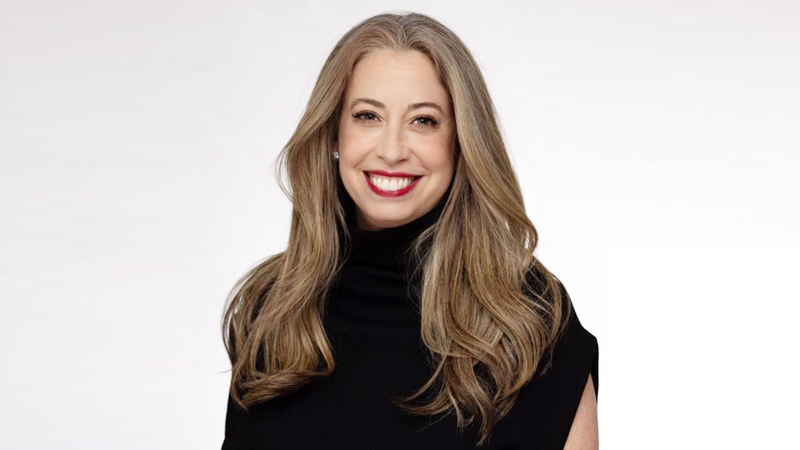
SAN FRANCISCO: Bernadette Meehan will take the helm of the Wikimedia Foundation on January 20th 2026, stepping in as chief executive to steer the world’s largest free-knowledge movement through an era of rising regulatory scrutiny and fast-moving AI disruption. The Foundation announced the appointment on December 9th, pitching Meehan as a leader with the global instincts and political dexterity needed for Wikimedia’s next chapter.
Chair of the board of trustees Lorenzo Losa said Meehan’s collaborative, diplomacy-driven approach made her the right steward for a movement built on volunteer energy and global participation.
Meehan arrives with heavyweight foreign-policy credentials. She served as US ambassador to Chile from 2022 to 2025, leading a string of diplomatic wins—from passage of a bilateral tax treaty to a major subsea-cable project linking South America with Asia. Before that she was executive vice-president for global programmes at the Obama Foundation, crafting leadership networks across Africa, Asia-Pacific, Europe, Latin America and South Asia.

Her decade-plus career as a US foreign service officer included stints as special assistant to the president, spokesperson for the National Security Council, and postings in Colombia, Iraq and the UAE. Earlier, she cut her teeth in finance at J.P. Morgan Chase and Lehman Brothers.
Meehan said she was “thrilled” to join as Wikimedia marks 25 years of collaborative knowledge-building, adding that Wikimedia’s mission sits at the heart of more resilient, informed societies.
As chief executive, she will oversee global staff and work closely with thousands of volunteer editors and affiliates. Her priorities include product and technology upgrades, navigating AI-content challenges, strengthening ties with global communities and shoring up the Foundation’s financial resilience.
Meehan succeeds Maryana Iskander as Wikimedia’s sixth chief executive—and steps into the role just as the world’s most-used reference site gears up for its next quarter-century of keeping knowledge open, human and gloriously unruly.

Digital
Ethical AI must benefit society, not dominate it, says WFEB chief Sanjay Pradhan at IAA event
At Mumbai event, ethics expert urges businesses and governments to shape AI responsibly
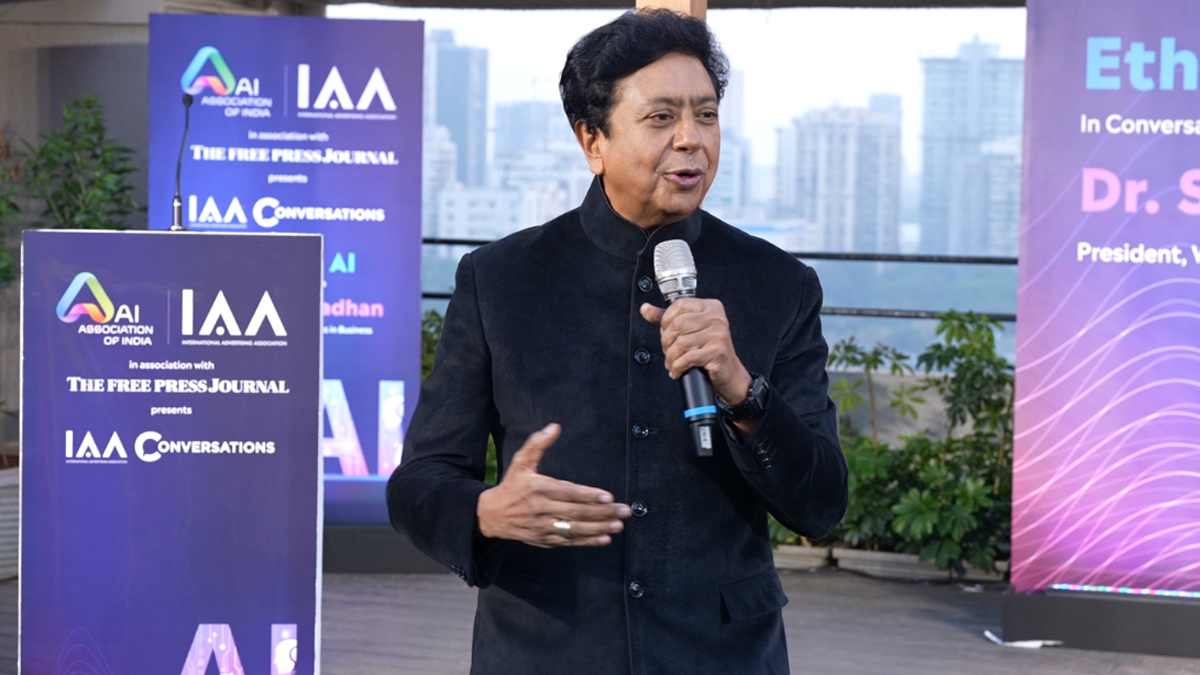
MUMBAI: Artificial intelligence may be racing ahead at lightning speed, but its direction must still be guided by human conscience. That was the central message delivered by Sanjay Pradhan, president of the World Forum for Ethics in Business (WFEB), during the latest edition of IAA Conversations held in Mumbai.
The session was organised by the International Advertising Association (IAA) and the Artificial Intelligence Association of India (AIAI) in association with The Free Press Journal at the Free Press House on 7 March. Addressing a packed audience, Pradhan called for stronger ethical leadership to ensure AI remains a tool that benefits humanity rather than one that governs it.
“Artificial intelligence has rapidly become one of the most powerful technologies humanity has created,” Pradhan said. “It is unlocking breakthroughs in medicine, science and creativity at a pace unimaginable just a few years ago.”
But he warned that the same technology carries serious risks. AI, he noted, can amplify disinformation faster than facts can travel, compromise privacy, deepen discrimination and disrupt millions of livelihoods. Referencing concerns raised by AI pioneers such as Geoffrey Hinton, often called the godfather of AI, Pradhan stressed that the real challenge is not whether AI will shape the world, but whether humans will shape it with ethics and wisdom.
Structuring his talk around four guiding questions, why, what, how and who, Pradhan introduced the audience to WFEB’s emerging AI Ethics Partnership, a global platform aimed at advancing responsible artificial intelligence. He outlined four priority concerns that demand urgent attention: disinformation, bias and discrimination, data privacy and job security.
To make the idea of ethical AI easier to grasp, Pradhan offered a simple metaphor. Ethical AI, he said, is like a three layered cake. The outer layer represents the visible value ethical AI creates for businesses and society. The middle layer is organisational culture that moves ethics from written codes to everyday practice. The innermost layer, however, is the most crucial, the conscience of individual leaders.
Drawing from Indian philosophical thought through WFEB co-founder Ravi Shankar, Pradhan noted that while artificial intelligence can reproduce stored knowledge, true intelligence is boundless and rooted in conscience, creativity and compassion. Practices such as breathwork and meditation, he suggested, can help leaders develop the calm clarity needed for ethical decision making.
The event also featured a discussion with Maninder Adityaraj Singh, chief of staff and head of innovation at Rediffusion Brand Solutions Pvt Ltd, and Yash Johri, lawyer, Supreme Court of India.
Opening the session, IAA India chapter president Abhishek Karnani, highlighted the need for industries to understand and engage with AI responsibly.
“AI has to be befriended and understood,” added Rediffusion managing director and AIAI national convenor Sandeep Goyal. “Its ethical use will determine whether it becomes a friend or a foe.”
As AI continues to reshape industries and societies, Pradhan ended with a simple but powerful call to action. Businesses, governments and individuals must work together to ensure that the algorithms shaping the future reflect human values rather than just cold logic.







