AD Agencies
Wieden+Kennedy turns Kyoorius’ initiative into an industry wake-up call


Mumbai: This year, Kyoorius Creative Awards has introduced a special initiative to empower younger, growing agencies. For the first time, participants whose entries don’t make it past the first round of judging have a special incentive – they will get back 50 per cent of their entry fee, per entry. This is also the year when newer kinds of participation are being encouraged, be it for regional or for pharma.
Their creative partner, Wieden+Kennedy India, felt this was an apt opportunity to take this brief to the next level. They’ve taken Kyoorius’s initiative of ‘giving something back’ to an industry-level clarion call, urging every member from adland to give back more to the industry that has made them.
“Kyoorius has grown beyond an award, it has become the industry’s voice, that’s why this year’s campaign isn’t just about the award, it’s about addressing the uncomfortable realities in advertising and igniting the change it needs.” Wieden+Kennedy India chief creative officer Santosh Padhi (Paddy).

“When I heard of Paddy’s brainchild, ‘Give Back’, it struck a chord with me. I know the world of Indian advertising is going through its toughest challenges and if we all don’t take ownership of our problems, if we don’t introspect and evolve, then who will?” shared Kyoorius founder CEO Rajesh Kejriwal.
W+K Mumbai ECD Yogesh Rijhwani added “Our creative team found a way to express each hard-hitting message through some stunning typography, which has become the visual voice of the campaign. We enjoyed the love, especially for craft, in the comments section of these posts.”
The campaign started on 21 Feb and has had more than 30 posts since. The creatives will continue to be shared till the actual day of the event.
W+K partnered with Nirvana’s Rajiv Rao for a funnier take on Give Back video, featuring prominent ad landers and marketing names.

AD Agencies
ABBY Awards 2026 names Rajdeepak Das, Khazanchi, Ramaswamy jury chairs
Top creative leaders to steer judging across film and direct categories
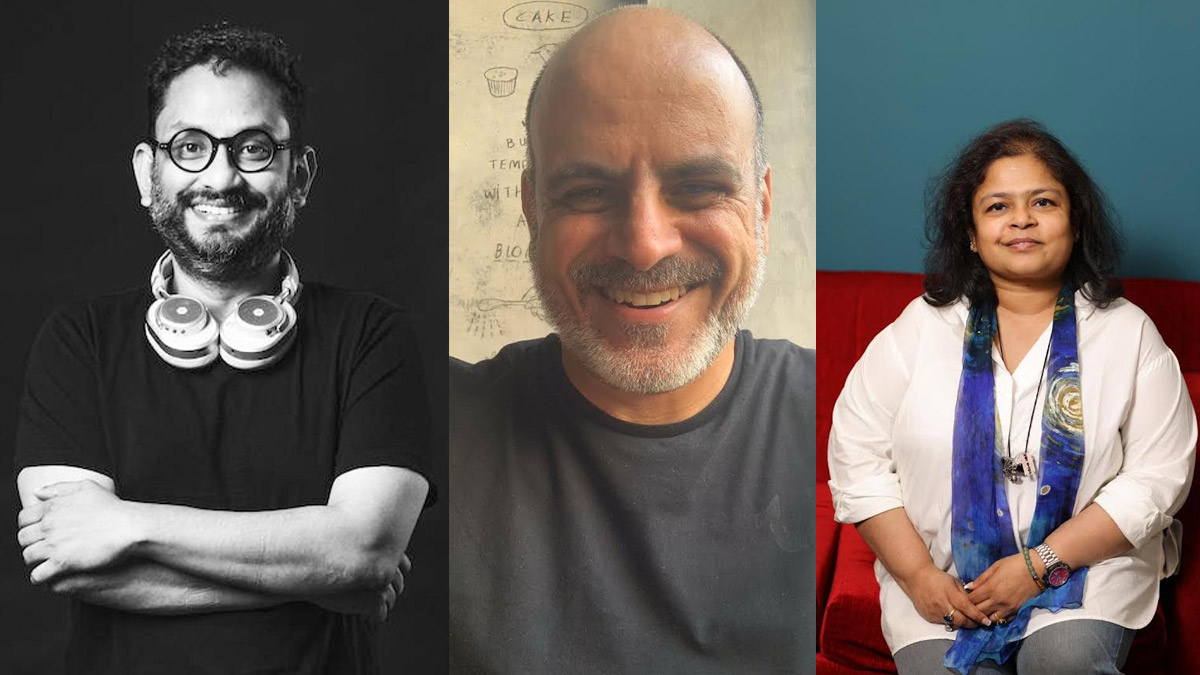
MUMBAI: The Ad Club has announced the appointment of three of India’s most prominent creative leaders as jury chairs for the ABBY Awards 2026, powered by The One Club.
Rajdeepak Das, chief creative officer, South Asia, Publicis Groupe and chairman, South Asia, Leo Burnett, will chair the AV Film (TV) category. Ashish Khazanchi, managing partner at Enormous, will lead the AV Film (Digital and OTT) jury, while Anupama Ramaswamy, managing director and chief creative officer at Havas Creative India, takes charge of the Direct category.
The trio brings a mix of creative firepower and industry experience to the judging table. Das is known for blending creativity with technology to solve real-world problems, with landmark campaigns such as Whisper’s “Touch the Pickle” and “Missing Chapter” helping reshape conversations around menstrual health. His work has earned top honours at global platforms including Cannes Lions and The One Show.
Khazanchi, meanwhile, has built Enormous into one of India’s leading independent agencies. Best known for creating Tata Sky’s “Jingalala” campaign, he has played a key role in shaping brand narratives for both legacy companies and startups, picking up hundreds of awards along the way.
Ramaswamy’s appointment rounds off the leadership trio with a strong focus on culturally resonant creativity. Her campaign “Ink of Democracy” became one of the most awarded works globally in 2025, earning multiple honours across Cannes Lions, Clio and Spikes Asia. Over the years, she has built a reputation for work that not only wins awards but also shapes public discourse.
The appointments come as the ABBY Awards continue to sharpen their global positioning, with backing from The One Club adding international heft to the platform.
The awards will be held during Goafest 2026 from May 20 to 22 at Taj Cidade de Goa Horizon, bringing together the industry’s top creative minds for what promises to be a closely watched showcase of ideas.
With heavyweight jury chairs in place, the stage is set for a high-stakes celebration of creativity where craft, culture and commerce collide.






