MAM
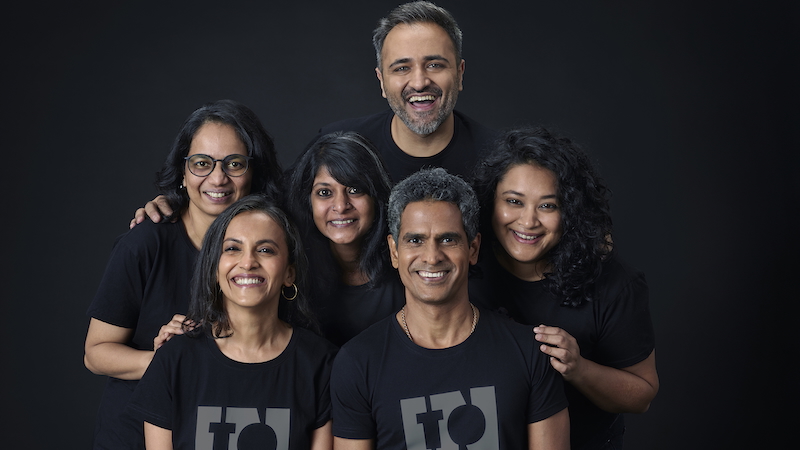
Wieden+Kennedy brings in Santosh Padhi as CCO for India


Mumbai: Wieden+Kennedy (W+K) on Tuesday announced the appointment of Santosh ‘Paddy’ Padhi as chief creative officer (CCO) for India. W+K has been established in Delhi since 2007.
“The hire also means an expansion for the independent creative agency into Mumbai, where Paddy will build out the shop’s second India location,” said the company in a statement.
In this new role, Padhi will build out a leadership, talent and client roster for the expanded India shop. Dean Wei, who has been the executive creative director leading W+K Delhi since 2019, is leaving the agency later this year to return to London.

“W+K have always raised the creative product of our industry for the last 3-4 decades, they were one of my inspirations when Taproot was set up,” Padhi said. “In a business like ours you are as good as the kind of people you have on board—there are some wonderful minds in Delhi and I’m once again fortunate to hand pick some more wonderful people to join us and expand our presence into Mumbai.”
Padhi started his advertising career 25 years ago after graduating from art school in Mumbai. He founded Taproot in 2009, and the agency quickly became one of India’s most prominent creative agencies, picking up critical acclaim, accolades and awards.
Earning over 200 international awards (including two dozen Cannes Lions, and multiple Golds and Grand Prix titles from different award shows) and over 300 local awards, Padhi is one of the most awarded creatives in India.
“Paddy is a transformative creative leader with an impressive track record building creative companies and brands, and making work that is really centered in culture,” stated Wieden+Kennedy global chief creative officer Karl Lieberman. “We feel lucky to have him join us at a time when we really want to connect further to the creative people and culture in India. We are excited about the future of Wieden+Kennedy in India.”



Brands
Boeing appoints Barun as head of FP&A for global engineering function
Seasoned finance leader to steer budgets and strategy across global centres
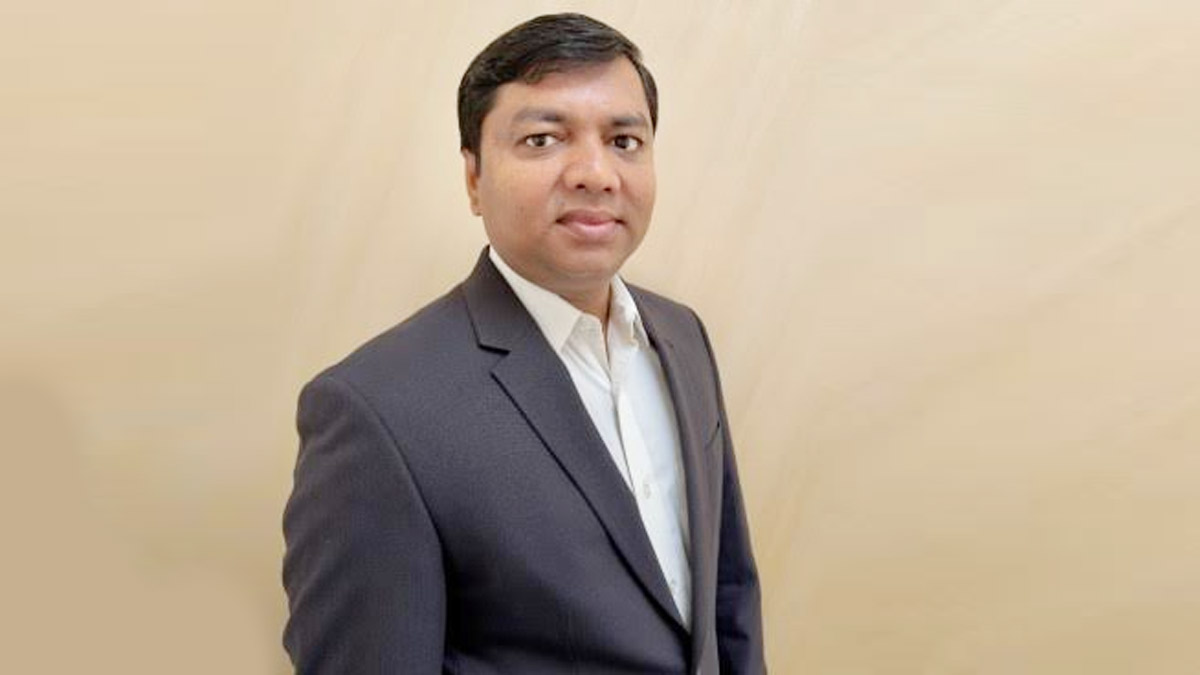
BENGALURU: Boeing’s finance cockpit has a new pilot, and he is no stranger to turbulence or transformation. Boeing has appointed Barun as head of FP&A for global engineering, placing him at the centre of financial strategy for its worldwide engineering and technology operations.
Based in Bengaluru, Barun steps into a role that is as expansive as it is critical. He will serve as the primary finance lead for Boeing’s Engineering and Technology Centers globally, working closely with executive leadership to shape financial decisions, manage complex budgets, and design scalable finance processes that support the company’s growing engineering footprint.
In a note announcing his move Barun said, “I’m excited to share that I’ve joined Boeing Global Engineering. This opportunity is incredibly meaningful to me not just from a professional standpoint, but also for what Boeing represents globally.” He added that he looks forward to contributing to an organisation that continues to shape the future of aerospace and innovation.
Barun’s mandate spans strategic financial leadership, operational oversight, and stakeholder engagement. From directing large-scale budgets and schedules to influencing long-term organisational goals, the role blends financial discipline with business foresight. He will also lead cross-functional teams and partner with finance colleagues worldwide to support engineering programmes across geographies, including India.
The appointment caps a long stint at Juniper Networks, where Barun spent over a decade, most recently as finance senior manager. There, he led FP&A for global product business units and G&A functions, driving budgeting, forecasting, and long-range planning. He also played a key role in enterprise-wide transformation, including spearheading an Oracle to SAP ERP migration and building advanced analytics capabilities using tools such as Tableau and SAP Analytics Cloud.
His earlier career includes finance leadership roles at Sony India Software Centre, Cognizant Technology Solutions, and Mphasis, where he focused on financial planning, governance frameworks, and operational efficiency across global delivery centres.
A chartered accountant from the Institute of Chartered Accountants of India, Barun brings nearly two decades of experience across financial planning, digital transformation, and analytics-led decision making.
His appointment comes at a time when global engineering operations are becoming increasingly complex and distributed, requiring sharper financial oversight and agile planning. With Barun at the helm of FP&A for engineering, Boeing appears to be tightening its financial playbook as it looks to scale innovation with discipline.






