MAM
Why modern dating is shorter, sharper and more honest: Ashley Madison report


MUMBAI: Romance, it seems, has had a reality check. In a world squeezed by inflation, job jitters and general life overload, people are rethinking what they want from relationships and how much energy they are willing to spend chasing them. The result is a new dating mood that favours honesty, discretion and shorter, sharper connections.
Welcome to the era of the microromance.
According to a recent Ashley Madison member survey, many people are no longer chasing the fairy tale of one partner meeting every emotional need. Instead, they are opting for brief, intense connections that offer comfort, excitement or escape, without the pressure of lifelong promises or neatly defined labels.

Nearly half of respondents, 49 per cent, said that during stressful periods such as a cost of living crisis, they seek additional relationships alongside their primary one. The motivation is not rebellion so much as relief. The thrill of meeting someone new, the boost of feeling desired, or simply a break from routine all ranked high. Women were even more likely to say this than men, with 50 per cent of female members compared to 43 per cent of male members reporting the same behaviour.
There is also a growing belief that spreading emotional needs across more than one partner can make life feel lighter. Forty one per cent of respondents said having multiple partners, each offering different positive qualities, would help them cope better during difficult times than relying on one person to have it all. In short, romance is being redesigned to reduce pressure on everyone involved.
The stress driving this shift is not hard to find. Inflation topped the list of concerns affecting how people approach relationships, cited by 27 pe rcent of members overall. Among women, the figure rose to 33 per cent. Other anxieties included recession fears, political uncertainty, housing instability and shaky employment prospects. With so much weighing people down, it is little wonder that many want to cut to the chase emotionally and connect faster.
At the same time, dating is getting more honest.
After years of carefully curated profiles and polished first dates, many people are tired of the performance. Dating app fatigue has set in, fuelled by mismatches between online personas and real life encounters, and the sting of being ghosted after early promise.
The response has been a renewed appetite for authenticity. People are increasingly upfront about who they are, what they want and what they definitely do not. Tammy Nelson, sex and relationship expert and consultant for Ashley Madison, said she sees this shift clearly in her clinical work.
People, she explained, are exhausted by pretending. Being real on a first date now means setting boundaries early, sharing values and being clear about emotional availability. It also means allowing someone to meet the real person, not a highlight reel designed to impress. This kind of honesty is especially important in discreet or nontraditional relationships, where transparency sets the tone for trust.
Still, authenticity has its limits. While openness with potential partners is in, oversharing with the wider world is firmly out.
Privacy has emerged as one of the most prized commodities in modern romance. After years of broadcasting every milestone online, many people are craving the luxury of keeping parts of their lives off camera. High profile viral moments and everyday incidents alike have shown how quickly private moments can become public property.
In a recent survey, 61 per cent of Ashley Madison members said they chose the platform specifically for its promise of discretion. As Nelson puts it, privacy has become more valuable than lavish dates or expensive gifts. Time spent with someone who understands caution around sensitive details now carries its own appeal.
This desire for clear boundaries also extends to the workplace. Mixing business with pleasure has lost much of its shine, particularly for women. Data from a YouGov study across 11 countries found that almost one in four women said they would never consider a romantic relationship with a colleague, compared to about one in six men.
Women appear more concerned about professional consequences, while men are more likely to worry about personal fallout. Either way, the message is clear. Office romances come with real risks, and many are choosing to keep their love lives firmly off the CV.
As dating adapts to a more stressful world, the trends point in one direction. Less performance, less pressure and fewer illusions. In their place are shorter connections, clearer conversations and a renewed respect for privacy. Love, it turns out, is not disappearing. It is simply learning to travel lighter.






MAM
Ameya Velankar steps down as Uber’s head of marketing for India & South Asia
Veteran marketer exits after more than seven years with the ride-hailing giant.
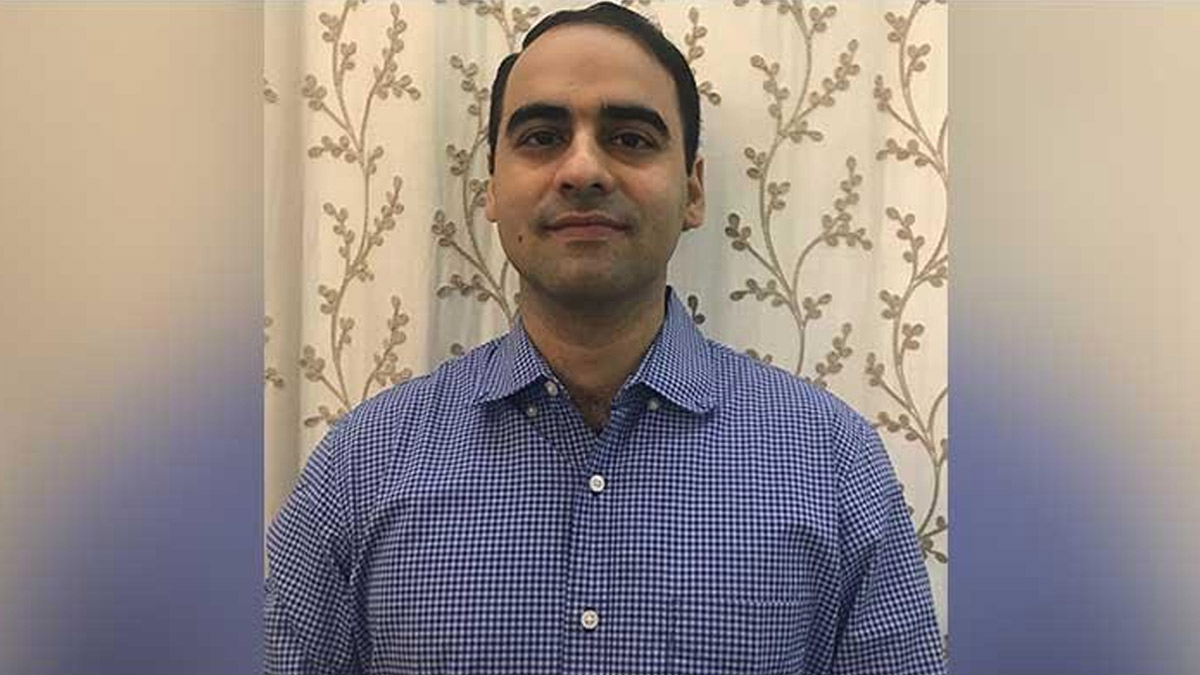
MUMBAI: After more than seven years of steering Uber through the bumpy roads of India’s mobility market, Ameya Velankar has decided to change lanes. Ameya Velankar has stepped down as Head of Marketing for India and South Asia, marking the end of a significant chapter at the ride-hailing company. He had been with Uber since 2019, taking on multiple roles in product and category marketing before rising to lead the marketing function for the region in 2021.
During his tenure, Velankar played a key role in strengthening Uber’s positioning in one of its most competitive and dynamic markets. He helped drive localised marketing strategies and scale adoption across key offerings such as Auto, Moto, Rentals and Intercity, tailoring global platforms to Indian consumer needs.
Prior to joining Uber, Velankar built his marketing expertise at leading consumer companies including SC Johnson and Marico, where he handled category and product leadership roles. His career began at RPG Enterprises.
Details of his next professional move have not been disclosed.
In a fast-evolving mobility landscape where brands constantly battle for attention, Ameya Velankar helped Uber stay relevant and resonant with millions of Indian users. As he moves on from the driver’s seat of marketing, the company will now look for fresh ideas to keep its wheels turning smoothly.






