MAM
Why are more Indian households focusing on BLDC fans for cooling?


With temperatures rising and power bills high, Indian households are rethinking how they can stay cool. While the traditional fan remains a familiar fixture in homes, the BLDC fan quickly emerges as the smarter alternative. Designed for energy efficiency, durability, and modern convenience, BLDC fans are becoming the preferred choice for daily cooling, especially among families who want to reduce their electricity usage without compromising comfort.
Affordability
The biggest driver of this shift is energy savings. A standard ceiling fan typically consumes around 75–80 watts of power. Meanwhile, a BLDC fan consumes only about 28–35 watts, cutting energy usage up to 60%. Over the course of a year, especially in homes where fans run for long hours daily, this difference translates into noticeable savings on electricity bills.

The cumulative benefit for households with multiple fans becomes more significant, making BLDC fans a wise investment rather than just a trendy upgrade.
Stable comfort and fluctuating voltage
Many Indian homes experience voltage fluctuations, especially in smaller towns and tier-2 cities. Traditional fans lose speed or performance under such conditions. BLDC fans come with motor control technology that keeps the fan running at a consistent speed, even when the voltage drops. This ensures uninterrupted comfort and better control over cooling day and night.
Silent, smooth, and hassle-free operations
Another reason families are making the switch is the quieter performance of BLDC fans. With no brushes inside the motor, these fans make far less noise than conventional ones. This makes them ideal for bedrooms, study areas, or even baby rooms, spaces where silence enhances comfort.
Additionally, BLDC fans often include a remote control, eliminating the need to get up to adjust speed or switch it off. Some models even have timers and sleep modes, offering added convenience today.
Built to last longer
Since they have a brushless design, BLDC motors experience minimal wear and tear. This means lower maintenance, less frequent repairs, and a longer product life, which is massive for Indian consumers who value appliance durability. Many quality-focused brands now offer BLDC models with extended warranties, further reassuring customers about their long-term value.
Stylish designs matching modern homes
Aesthetics also matters in performance. Today’s homeowners seek appliances that look good and blend with modern interiors. Fans are available in various sleek designs, from minimalist matte finishes to wooden or metallic textures. Whether you are designing a new home or upgrading a room, there is a fan to match your style.
Affordable modern technology
While the initial cost of a BLDC fan may be slightly higher than a regular fan, the long-term benefits easily outweigh the price difference. Reduced electricity bills, fewer service issues, and enhanced comfort make them a smart and future-ready choice for everyday use.
Conclusion
As energy costs rise and smart living becomes the norm, the traditional fan is getting a much-needed upgrade. The BLDC fan offers Indian households a combination of savings, style, and sustainability. For families seeking smarter cooling solutions, making the switch is no longer a question but a necessity.

MAM
Beacon Group appoints Dr Rajesh Patel as Group CEO
36-year healthcare veteran to lead Beacon Diagnostics, Vector Biotek, Biogeny.
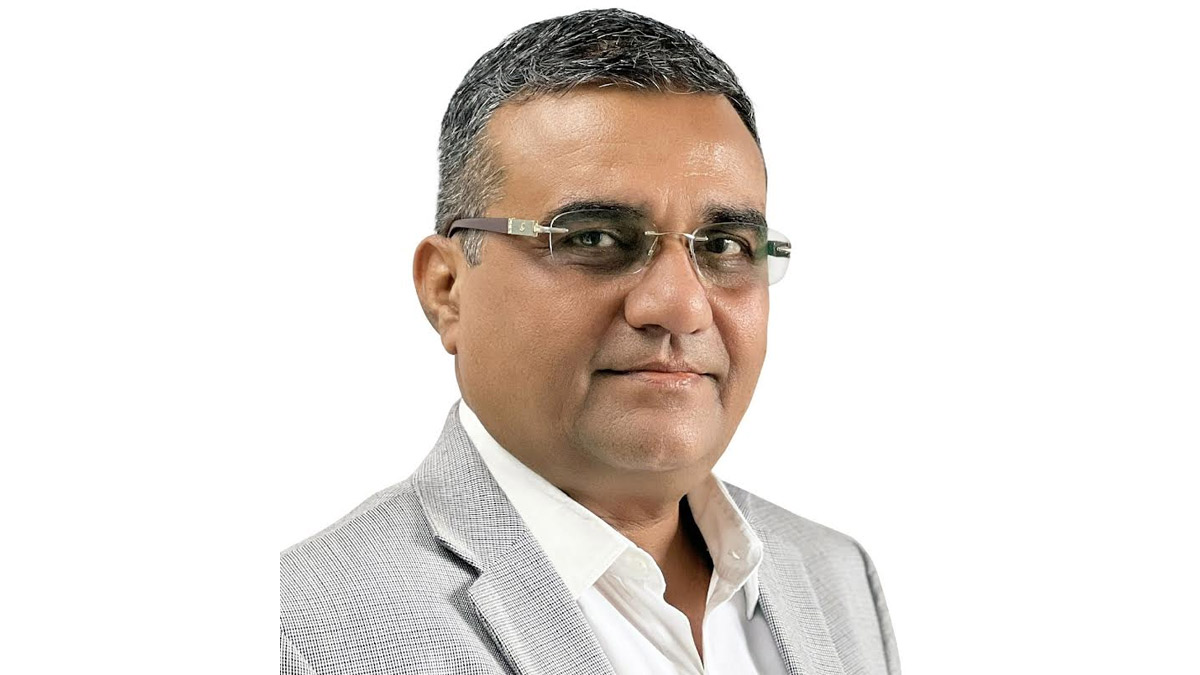
MUMBAI: A new chief, a fresh diagnosis and a sharper prescription for growth. Beacon Group has appointed Dr Rajesh Patel as its Group Chief Executive Officer, effective April 1, 2026, signalling a decisive push to scale its presence in the diagnostics and IVD space. Patel steps into the role with 36 years of experience across the healthcare and diagnostics industry, bringing a career shaped by leadership roles spanning sales, marketing, business development and operational strategy. His mandate is both expansive and precise: to steer the group’s overall strategic direction while tightening coordination across its three core entities Beacon Diagnostics, Vector Biotek and Biogeny Diagnostics.
In practical terms, that means driving cross-company synergies, accelerating market expansion and strengthening organisational capability areas increasingly critical as diagnostic players compete for scale in a fragmented yet rapidly evolving healthcare ecosystem. The group is positioning itself to capture unmet demand across chain laboratories, key accounts and standalone labs, segments that remain underserved despite growing diagnostic needs.
The appointment comes at a time when the In Vitro Diagnostics (IVD) sector in India is entering a more competitive and innovation-led phase, with companies focusing not just on product pipelines but also on service delivery, integration and customer-centric models. Beacon’s leadership appears to be betting that Patel’s execution-focused approach can help translate ambition into operational momentum.
Welcoming the appointment, Chairman Dr D K Joshi described Patel’s induction as a strategic move aligned with the group’s long-term vision, emphasising the role of leadership depth in navigating the next phase of growth.
For Beacon Group, the message is clear, in a sector where precision matters, leadership is the new differentiator—and this appointment is intended to set the tone for what comes next.






