MAM
We The Women returns to Mumbai with a star-packed line-up curated by Barkha Dutt

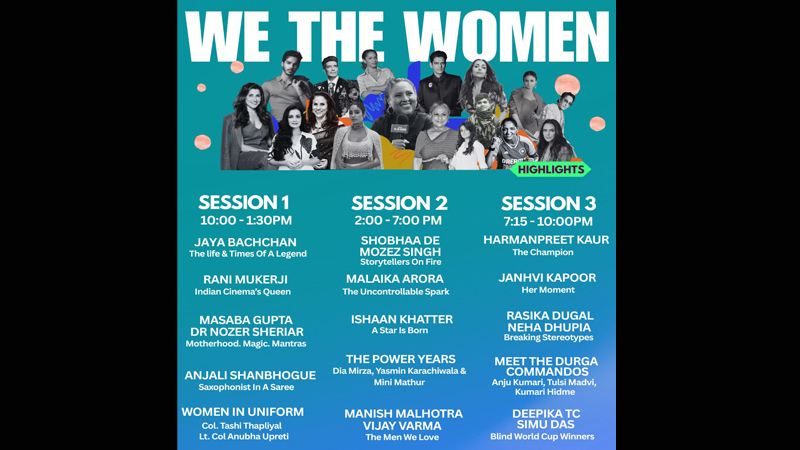
MUMBAI: After setting London ablaze with its unmistakable energy, We The Women, India’s foremost women-centric ideas festival, returns to Mumbai for its eighth edition, louder, bolder and more unforgettable than ever. Curated and moderated by award-winning journalist Barkha Dutt, the festival continues to serve as a space for conversation, celebration and community, honouring both women and men who have emerged as changemakers across different walks of life.
This year, in the backdrop of Operation Sindoor, the festival carries an especially powerful heartbeat through the presence of women in uniform. Women soldiers and air warriors from the Indian Army and the Indian Air Force are set to participate, offering a poignant reminder of the courage, discipline and spirit of service that defines India’s armed forces.
Joining them on stage is a constellation of voices that have shaped culture, public life and contemporary storytelling. World Cup champion Harmanpreet Kaur brings with her the spirit of a sportswoman who has redefined Indian cricket’s possibilities through sheer grit and match-winning brilliance. Parliamentarian and cinema icon Jaya Bachchan adds a voice of authenticity that has remained her strongest armour over the decades. Actor Rani Mukerji continues to represent the evolving power of Indian women on screen, while Janhvi Kapoor brings a blend of legacy and individuality as she fearlessly charts her own creative journey.

Actors Vijay Varma and Ishaan Khatter add to the line-up as men who are unafraid to amplify women-led narratives both on-screen and off. Author Shobhaa De’s razor-sharp commentary promises to spark conversations that question longstanding social norms, while designer Manish Malhotra, who transformed fashion into a language of aspiration, joins fellow creative disruptor Masaba Gupta, whose bold design vocabulary has become a cultural movement in its own right.
The stage further expands with voices like Neha Dhupia, who uses her platform to challenge conventional ideas around motherhood, identity and body image; Malaika Arora, whose unapologetic ownership of self continues to dismantle ageist and sexist stereotypes; Dia Mirza, whose steadfast environmental advocacy positions her as one of India’s leading sustainability storytellers; and Rasika Dugal, whose nuanced and uncompromising performances represent a new grammar of acting in contemporary Indian cinema.







MAM
Beacon Group appoints Dr Rajesh Patel as Group CEO
36-year healthcare veteran to lead Beacon Diagnostics, Vector Biotek, Biogeny.
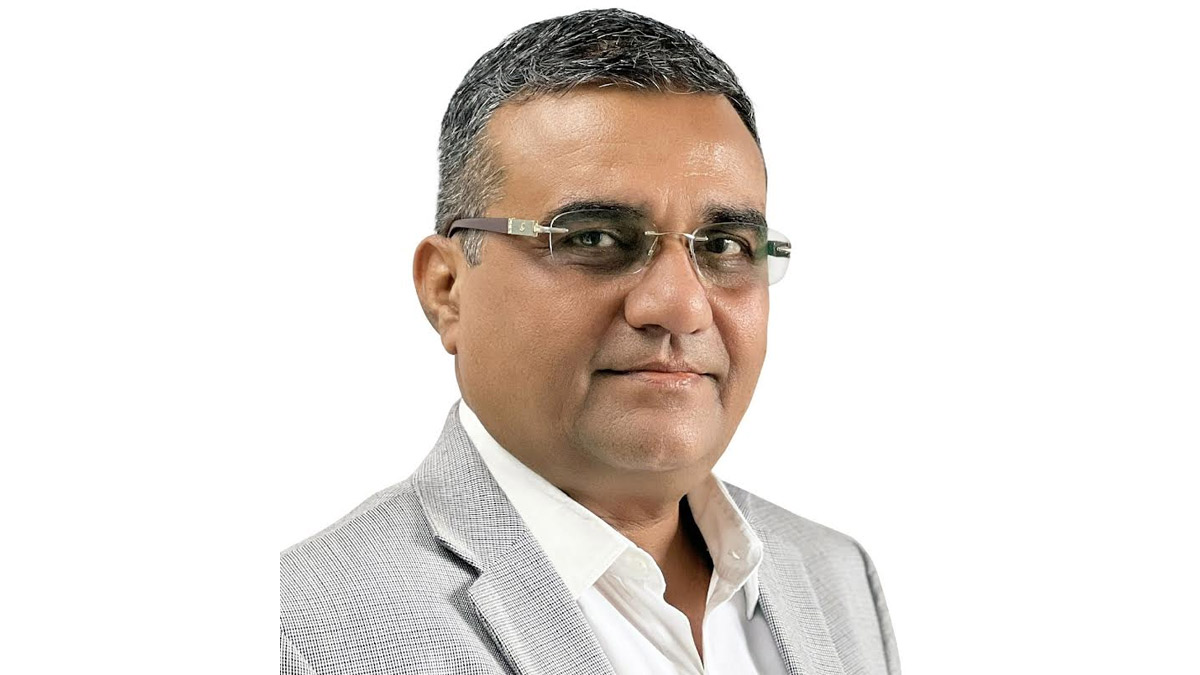
MUMBAI: A new chief, a fresh diagnosis and a sharper prescription for growth. Beacon Group has appointed Dr Rajesh Patel as its Group Chief Executive Officer, effective April 1, 2026, signalling a decisive push to scale its presence in the diagnostics and IVD space. Patel steps into the role with 36 years of experience across the healthcare and diagnostics industry, bringing a career shaped by leadership roles spanning sales, marketing, business development and operational strategy. His mandate is both expansive and precise: to steer the group’s overall strategic direction while tightening coordination across its three core entities Beacon Diagnostics, Vector Biotek and Biogeny Diagnostics.
In practical terms, that means driving cross-company synergies, accelerating market expansion and strengthening organisational capability areas increasingly critical as diagnostic players compete for scale in a fragmented yet rapidly evolving healthcare ecosystem. The group is positioning itself to capture unmet demand across chain laboratories, key accounts and standalone labs, segments that remain underserved despite growing diagnostic needs.
The appointment comes at a time when the In Vitro Diagnostics (IVD) sector in India is entering a more competitive and innovation-led phase, with companies focusing not just on product pipelines but also on service delivery, integration and customer-centric models. Beacon’s leadership appears to be betting that Patel’s execution-focused approach can help translate ambition into operational momentum.
Welcoming the appointment, Chairman Dr D K Joshi described Patel’s induction as a strategic move aligned with the group’s long-term vision, emphasising the role of leadership depth in navigating the next phase of growth.
For Beacon Group, the message is clear, in a sector where precision matters, leadership is the new differentiator—and this appointment is intended to set the tone for what comes next.






