Ad Campaigns
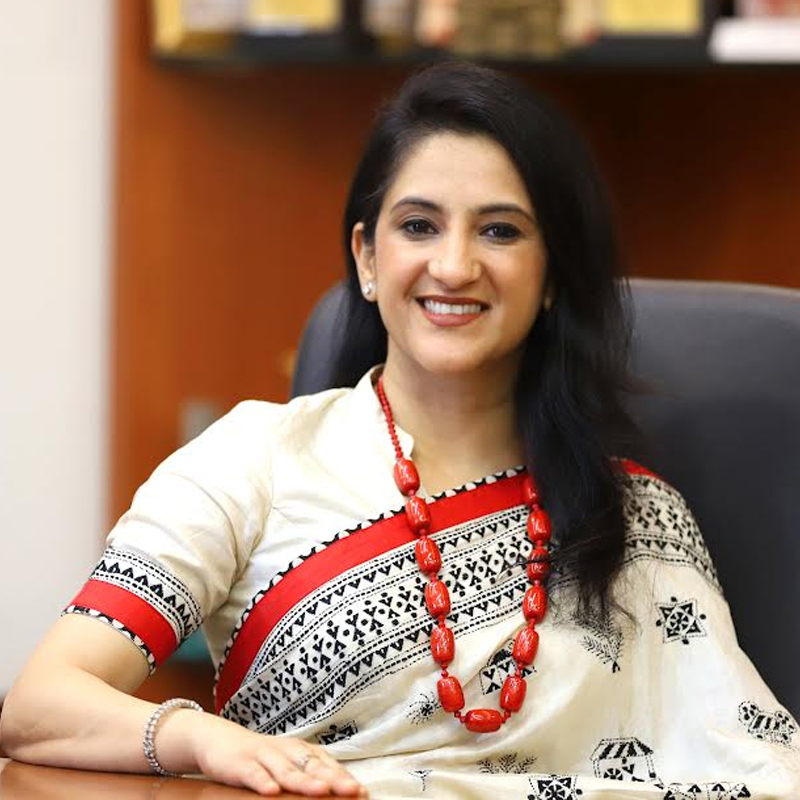
“We take pride in being ‘Lifetime partners’ for our customers”: FGII’s Ruchika Malhan Varma

Mumbai: Future Generali India Insurance Company Ltd. (FGII), India’s private general insurance player, has launched a campaign that puts a spotlight on providing the LGBTQIA+ members in a live-in relationship an equal opportunity to secure their health insurance needs. Staying true to its ‘Inclusion’ agenda and intent of being an ally to the LGBTQIA+ community, the insurer has expanded its definition of ‘family’ across all its retail health insurance offerings, to include LGBTQIA+ community and live-in partners.
The first-of-its-kind brand campaign, represented by two real life, same sex couples, demonstrates the organisation’s commitment to Diversity Equity & Inclusion, both as an employer and as an insurer. The campaign runs across the central theme of redefining the term ‘family’ to include live-in partners, including same sex partners. The campaign was launched on digital and on Out Of Home (OOH) platforms in Mumbai, Delhi, Gurugram, Goa and Bangalore and was live for three weeks in January 2023.
Indiantelevision.com caught up with Future Generali India Insurance Company Ltd CMO Ruchika Malhan Varma to know more on this campaign…

Edited excerpts
On the motivation to launch this campaign
At Future Generali India Insurance Company Limited (FGII), our focus on driving Diversity, Equity and Inclusion is a strategic imperative, both as an insurer and as an employer. When we signed up as ally’s to the LGBTQIA+ community, our interactions with the members of the community brought forth an important gap. We realized that members of the LGBTQIA+ community were unable to secure a floater insurance policy along with their partners considering the current family definition that provisions only a married couple to avail a floater plan. With this insight in mind, we went back to the drawing board and decided to open the definition of ‘Family’ across all our health insurance offerings. FGII now enables all live in partners and members of the LGBTQIA+ community to secure a family floater plan along with their partners, providing them a level playing field, devoid of their personal preferences.
Q2. How does Future Generali plan to raise awareness about the importance of LGBTQIA+ inclusivity in the insurance industry?
As strong ally’s to the community, we believe in playing our part both as an insurer and an employer.
We have put in place numerous initiatives at our workplace to promote inclusivity – right from continuous awareness sessions and workshops, PRIDE month celebrations across all our offices, incentivizing recruiters towards recruiting LGBTQIA+ candidates. We also undertake sensitization sessions for team members and peers while recruiting members of the community and have invested in welcoming members of the community by making infrastructure amendments in form of separate washrooms, forming employee resource groups for the support of the community. Our intent is to not just create a diverse workforce but also provide them an environment and culture that welcomes one and all, equally.
As an insurer, too, we believe we have in important role to play in bringing about a positive change and doing good towards the community. Our endeavour to bring a diverse talent pool to the organization also reflects our commitment towards serving our diverse base of customers with innovative propositions. To start with, our #RedefinedFamily OOH campaign was aimed at raising awareness and spreading the message amongst mass India that the definition of family is unique to each individual and should be respected. Accordingly, we opened up the family definition of our health products to the members of the LGBTQIA+ community and are seeing good traction. As a ‘Lifetime partner’ to our customer we remain invested in understanding their evolving needs and will continue to work in close quarters with the members of the community to advance our offerings.
Q3. What specific challenges does the LGBTQIA+ community face when it comes to securing health insurance, and how do you aim to address those challenges?
In India, the LGBTQIA+ community faces challenges when it comes to securing health insurance. As a result of these challenges, many LGBTQIA+ individuals in India go without health insurance. This can have a significant impact on their health and well-being. Additionally, access to safe healthcare continues to be a significant challenge, making the journey towards inclusivity and economic growth an ongoing struggle.
To address these challenges, insurance providers can develop inclusive policies, eliminate discriminatory practices, conduct sensitisation and training programs for their staff, collaborate with healthcare professionals, and advocate for reforms. These efforts aim to ensure comprehensive coverage, reduce bias, and provide better healthcare services to the LGBTQIA+ community.
In recent years, there have been some efforts to address the challenges that LGBTQIA+ people face when it comes to health insurance in India. For example, the National AIDS Control Organisation (NACO) has launched a number of initiatives to promote awareness of LGBTQIA+ health issues and to make it easier for LGBTQIA+ people to access health insurance. However, more needs to be done to ensure that all LGBTQIA+ people in India have access to affordable and non-discriminatory health insurance.
Q4. How has the campaign been received by the public so far? Have there been any notable reactions or feedback?
Our most recent OOH advertising campaign was authentic, clutter-breaking, and took into account the sensibilities of not just same-sex couples, but the entire society. We received a phenomenal response to the campaign sparking a debate and bringing us tremendous support not just from within the community but also from other sections of the society. The campaign has helped India introspect and raise awareness on LGBTQIA+ community and their challenges – outside of PRIDE month. We witnessed tremendous support and kudos for Future Generali for its commitment to LGBTQIA+ inclusivity. We saw a lot of comments stating that the campaign is a step in the right direction for the insurance industry. Individuals took pictures of the billboards and hoardings and appreciated the initiative on social media. We have received more than 1200 comments, out of which 83% are positive. In addition, it has positively impacted the brand funnel, as we saw an improvement in all our brand metrics – awareness, consideration and preference.
We believe that it is important for all sections of the community to have access to quality insurance, regardless of their sexual orientation or gender identity. We are hopeful that the campaign opens up opportunities for various industries like ours to present innovative, tailor-made offerings that address the needs of the LGBTQIA+ community and Live-in partners. We will continue to take steps towards building a more inclusive environment and drive initiatives towards inclusivity in the insurance industry.
Q5. Any plans to introduce similar initiatives or campaigns addressing marginalised communities in the future?
We take pride in being ‘Lifetime partners’ for our customers, leading the way with simplicity, innovation, and a personal touch. We are dedicated to creating a brand that is fuelled by culture, supported by solutions that address genuine needs, and inspired by a vision to serve all customers, regardless of age, gender, or preferences. To achieve this, we constantly innovate by closely monitoring the pulse of our customers and their evolving lifestyles and financial protection requirements. By focusing on newer and emerging micro segments, we strive to tackle their specific concerns through products and messaging that deeply resonate with them.
Future Generali is committed to promoting inclusive growth and are planning more initiatives and campaigns aimed at addressing the challenges faced by marginalised communities. The company has consistently made the choice to engage in positive dialogues and establish connections with consumers at an emotional level. Whether it’s addressing sensitive topics like mental health when they were seldom discussed, introducing a rap song urging individuals to prioritize their well-being, creating a distinct category for pet owners, or boldly featuring the LGBTQIA+ community in our health insurance campaigns, our focus has always been on constructing a purpose-driven brand. We are embarked on a journey to build a brand that draws inspiration from cultural dynamics, supported by offerings that address genuine needs, and driven by a vision to serve all our customers irrespective of age, gender, or preferences.

NATIONAL: Amazon Ads has laid out a sharply tech-led vision for the advertising industry in 2026, arguing that artificial intelligence, streaming TV and creator partnerships will combine to turn brand building into a more precise, performance-driven business.
At the heart of the shift, the company says, is the fusion of AI with Amazon’s vast trove of shopping, browsing and streaming signals, allowing advertisers to move beyond blunt reach metrics to campaigns designed around real customer behaviour.
“The future of advertising is not about reaching more people, but the right people with messages that resonate,” said Amazon Ads India head and vice president Girish Prabhu. “By combining AI with deep customer insights, we help brands move from broadcasting campaigns to having meaningful conversations wherever audiences spend their time.”
One of the biggest changes, according to Amazon Ads, will be the collapse of the wall between media planning and creative development. Retail media, powered by first-party data, is increasingly shaping everything from brand discovery to final purchase, pushing marketers to design campaigns around audience insight rather than internal instinct.
AI is also moving from a support tool to a creative engine. Agentic AI, which automates and accelerates production, is expected to make high-quality creative accessible even to small businesses, compressing weeks of work into hours and giving challengers the ability to compete with larger brands on speed and scale.
Behind the scenes, AI-driven analytics will take on a bigger role in campaign optimisation, identifying patterns, spotting opportunities and recommending actions that would previously have required teams of analysts.
Streaming TV is another big battleground. With India’s video streaming audience now above 600 million and connected TV users at 129.2 million in 2025, advertisers are set to treat streaming not just as a branding channel but as a performance engine, measured increasingly by sales, sign-ups and bookings rather than just reach.
Finally, Amazon Ads sees creators and contextual advertising reshaping how brands tell stories. Creators will act less like influencers and more like long-term partners, while scene-aware ads on streaming platforms will allow brands to insert hyper-relevant offers into the flow of what viewers are watching.
Taken together, Amazon Ads argues, these shifts mark a move towards advertising that is both more human and more measurable, where AI handles the complexity, and creativity does the persuading.






