Digital Agencies
We are firm believers that tools don’t build brands, stories do: Art-E Media’s Rohit Sakunia

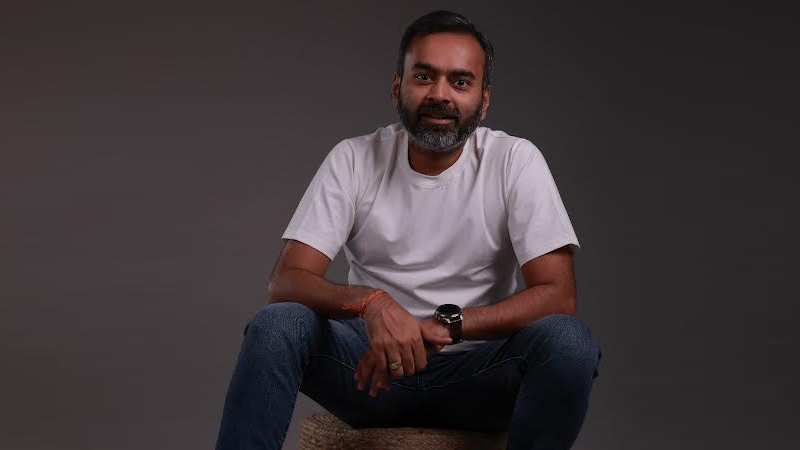
MUMBAI: Fancy a tale of entrepreneurial derring-do? Look no further than Art-E Mediatech Private Ltd, better known as Art-E Media, a marketing and technology maven that burst onto the scene in 2018. What began as a mere septet of tech-savvy chaps toiling in a humble garage has, in a rather spiffing turn of events, mushroomed into a formidable force of over 150 bright sparks, affectionately dubbed “ArtEans”. With a footprint stretching from the bustling streets of Mumbai to the glittering towers of Dubai, via Delhi and Bangalore, this outfit isn’t just playing the game; it’s practically written the rulebook for full-stack marketing, creator content, and tech artistry.
Over the years, Art-E Media has been canoodling with some rather grand names – the sort that make rivals green with envy. Think Google, Coursera, TCL, Sharp, Panasonic, Pantaloon, Ceat Tyres, Jubilant Foods, IndiaMART, Flipkart Seller Hub, Realme Smartphones, and even Hero.
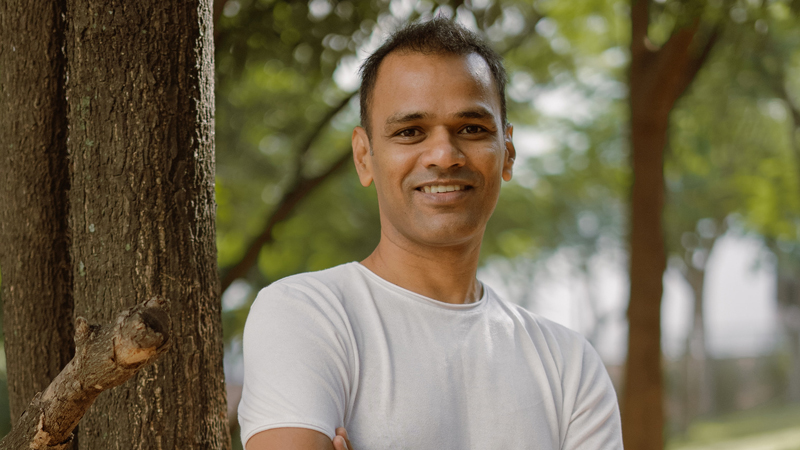
At the heart of this empire stands Rohit Sakunia, a chap who clearly doesn’t believe in modest ambitions. This whizz-kid not only birthed Art-E Media but also propelled it to a staggering $10 million in annual revenue within a mere four years. But wait, there’s more! He also cooked up INVIZ, which raked in a cool $1.5 million in its sophomore year. Running a tight ship, he’s overseen a crew of over 100, masterminding delivery, creative genius, and the nitty-gritty of business development. And if that wasn’t enough, he’s pumped out content that’s garnered millions of organic views, forging brand equity and building businesses like a true titan of industry.

Indiantelevision.com’s Rohin Ramesh managed to corner this elusive guru. Expect the resulting interaction to be brimming with juicy details on new technologies, advanced tools, revenue generation, and a whole lot more that will undoubtedly make for a ripping good read.
Edited excerpts
On the inspiration behind the inception of Art-E Media
Honestly, Art-E wasn’t born out of a grand plan. It started over endless coffees and late-night chats where we kept questioning why marketing was either too flashy or too clinical. Why couldn’t it be real? Human? Isn’t that a big question today too in this era of AI.
For Tejender (my partner) and I, the idea was simple: build an agency where storytelling leads, and technology enables. Where marketing doesn’t feel like marketing. Where brands don’t chase trends but create their own narratives.
Our vision was to keep it very personal. To be humble but create loads of impact. We always believed data will do the talking but we also didn’t let it kill or cull creativity.
We have always said to the larger team too. That does not look very ahead of time. Look at the next campaign we are doing. And redefine it for your client. Our motto thus is one honest campaign at a time.
On how your agency is integrating advanced technologies (e.g., AI, machine learning, big data) into marketing strategies to drive better outcomes
At Art-E, we’ve always believed technology should simplify, not complicate. AI, machine learning, and data tools aren’t just buzzwords for us. They’re enablers to understand human behavior better and craft sharper stories. That’s what the planners in the team use it for too.
Whether it’s using AI to predict consumer shifts, personalising content at scale, or leveraging data to decode what’s working and what’s just noise, we love blending tech with instinct. And we are extremely careful too. As I have mentioned above, creativity stays at the core, while technology plays the role of an amplifier. For us, the goal is simple, smarter marketing that feels human.
On your perspective on emerging trends in marketing, including AI-powered tools and immersive technologies such as AR/VR
Trends will keep coming. AI, AR, VR, all these are powerful no doubt but at Art-E, we stop a tad bit before getting very excited at something new. First we use the same and check for ourselves whether it can actually solve a problem. If it does, then we jump in joy. Because now we know that it can tell a story better.
AI-powered tools help us work smarter: We agree. AR/VR helps us build experiences that engage deeper this too. But the focus stays on why we’re using them, not just what we’re using.
We are firm believers that tools don’t build brands, stories do. These tools at best are probably amazing paintbrushes. And we’ll use them wherever they help create something meaningful.
On the evolving role of influencer marketing and the impact of technology on this space
Influencers today are storytellers and not billboards. And we use them precisely that way. We use tech to find and fit a voice that will resonate for the brand and not just plain echo the communication. The problem happens when you try to use influencer marketing for selling. The idea is to connect. Because when the connection happens, the selling or the impact definitely follows.
On strategies for building trust and fostering meaningful engagement with consumers in an increasingly digital world
For me, trust isn’t built through fancy campaigns or viral content or even through the biggest brand ambassador. It’s built in those small, consistent, vital moments where brands choose honesty over hype.
At Art-E, both Tejender and I and also our CEO Amit often tell our clients to stop marketing to people and start talking with them. Being more human. Being more transparent. We have said that saying no sometimes is ok and apologising is ok too. And on top of all this, listen more than you speak.
For our clients we ensure realness stands out in the digital chaotic world. Our strategy? Keep it simple. Keep it honest. Keep it human. That’s how you build trust.
On your plans for the future
Our plan for the future is very simple. We just intend to stay restless. How can you rest in an era like this where tech is disrupting our business so often. So we intend to keep questioning the obvious and keep chasing stories that matter.
We’re focusing more on blending content, commerce, and tech in ways that feel seamless. They don’t look forced. We are expanding into experiential and immersive spaces too, but again, only where it adds genuine value to the brand narrative.
We love numbers. But the goal isn’t just growth in numbers. It’s growth in impact. To stay boutique in mindset, but global in our thinking. And to ensure every campaign we craft feels less like work and more like a conversation worth having.


BENGALURU: For years, creative teams have learned to live with ambiguity. Vague comments, last-minute changes, feedback that arrives without context, clarity, or conviction. It became part of the job – something teams worked around rather than getting it solved.
But as we head into 2026, that tolerance is wearing thin.
Creative work today moves faster, scales wider, and involves more stakeholders than before. Teams are producing more content across more formats, often with distributed collaborators and tighter timelines. In this environment, guesswork is no longer a harmless inconvenience. It’s a cost – to time, to budgets, and to creative mindspace.
The real problem isn’t feedback, it’s how it’s given
Most creative professionals you see today will tell you they’re not against feedback. In fact, they rely on it. Good feedback sharpens ideas, strengthens execution, and pushes work forward. The problem is ‘unclear’ feedback. When someone says “this doesn’t feel right” without context, they aren’t just revising – they’re basically decoding. They’re guessing what the problem might be, trying different directions, and burning time in the process. Multiply that by a few stakeholders and a few rounds, and suddenly days disappear.
In 2026, when teams are expected to deliver faster without compromising quality, interpretation is a luxury most can’t afford.
Scale has changed rverything
Creative projects used to be smaller and simpler. A designer, a manager, maybe one client contact. Feedback loops were short, even if they weren’t perfect.
Today, the same project might involve internal marketing teams, agencies, freelancers, brand reviewers, and regional teams. Everyone has a say. Everyone leaves comments. And often, those comments don’t agree. More people reviewing work means alignment matters more than ever. Clear feedback isn’t just about being nice to creative teams, it’s about keeping projects moving when complexity increases.
Guesswork quietly wears teams down
One of the less talked-about impacts of unclear feedback is what it does to people.
When feedback is vague or contradictory, creatives second-guess their decisions. They hesitate. They overwork. They keep extra time buffers “just in case.” Over time, confidence drops. Ownership fades. Work becomes safer, not stronger. Creative energy gets spent on managing uncertainty instead of pushing ideas forward. And in an industry already grappling with burnout, unclear feedback adds unnecessary mental load.
Actionable feedback is a shared skill
Clear feedback doesn’t mean controlling creative decisions or dictating every detail. It means being specific enough that someone knows what to do next.
Actionable feedback answers three basic questions:
What exactly needs attention?
Why does it matter?
What outcome are we aiming for?
This applies whether you’re reviewing a video frame, a design layout, or a copy draft. The clearer the feedback, the fewer follow-ups it creates. In 2026, teams that treat feedback as a skill and not an afterthought, will move faster with less friction.
Tools shape behaviour (whether we admit it or not)
The way feedback is delivered is often dictated by the tools teams use. Comments buried in long email threads, messages split across chat apps, or notes detached from the actual work all contribute to confusion.
When feedback lives outside the work, context often gets lost. When it’s disconnected from versions and timelines, decisions get questioned. When it’s scattered, accountability disappears. More teams are starting to realise that feedback problems aren’t just communication issues, they’re workflow issues. How work moves between people matters just as much as the work itself.
From Opinions To Alignment
One of the biggest shifts happening in creative teams is a move away from purely opinion-driven feedback. Instead of “I like this” or “I don’t,” teams are asking better questions:
● Does this meet the brief?
● Does this solve the problem?
● Does this align with the goal?
This change reduces unnecessary back-and-forth and helps feedback feel less personal and more productive. It also makes decisions easier to explain and defend. As creative work becomes more strategic, feedback has to support that shift.
2026 Is About Fewer Loops, Not Faster Loops
There’s a misconception that speed means moving through feedback cycles faster. In reality, the most creative teams aren’t just accelerating loops, they’re reducing them. Clear, actionable feedback upfront leads to fewer revisions later. Clear approval stages prevent last-minute surprises. Clear decisions stop work from circling endlessly.
In 2026, efficiency won’t come from working harder or longer. It will come from designing workflows that respect creative time and attention.
Ending guesswork is a mindset change
Ultimately, ending creative guesswork isn’t just about better tools or processes. It’s about mindset. It’s about recognising that clarity is an act of respect – for the work, for the people doing it, for the time invested and for the mindspace used. It’s about moving from “figure it out” to “here’s what we’re aiming for.”
Creative teams that embrace this shift will find themselves not only delivering faster, but also enjoying the process more. And in an industry built on imagination, that might be the most valuable outcome of all.