Brands
Waves audio launches Nx Head Tracker via Kickstarter Campaign

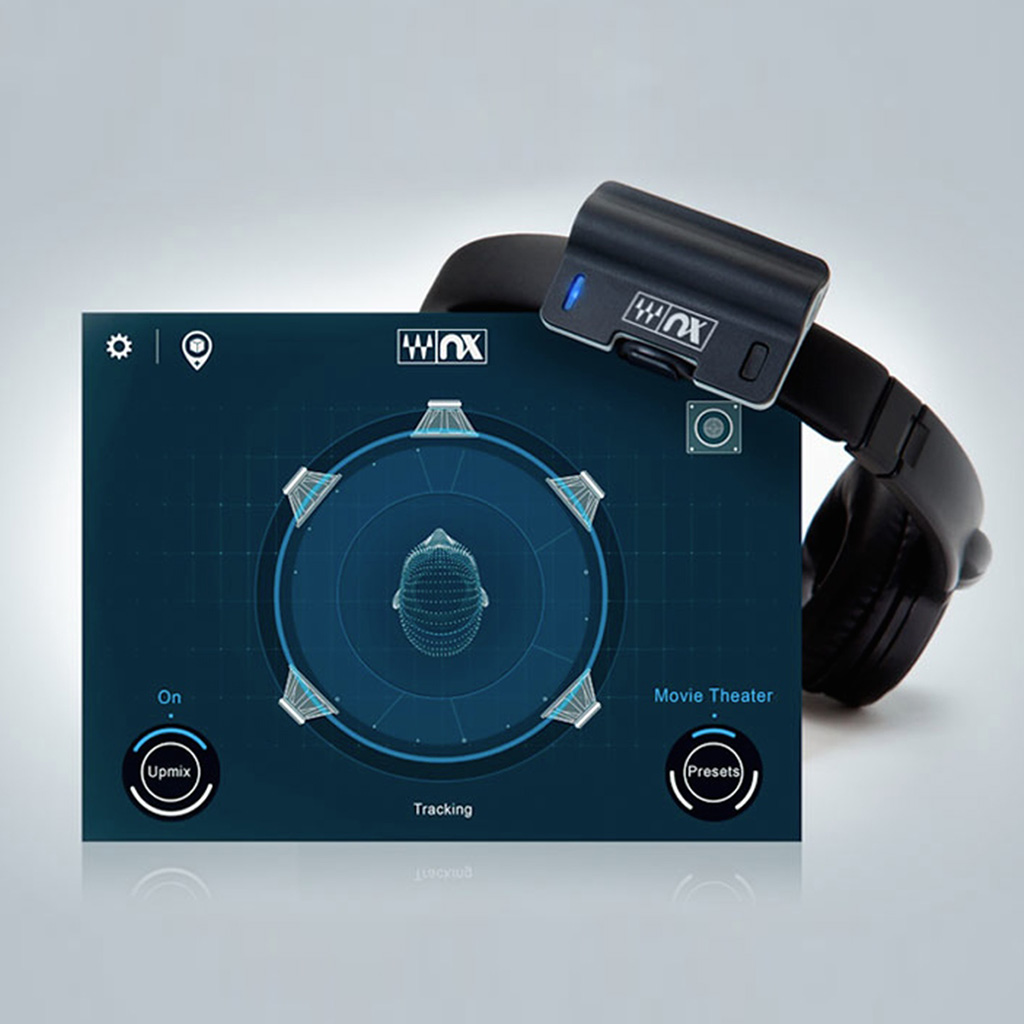
MUMBAI: Earlier this year, Waves Audio announced Nx, a groundbreaking software technology that applies panoramic audio imaging to stereo headphones, opening the door to applications in virtual reality, augmented reality, 3D mixing and much more. Waves Nx lets users hear the same natural depth, natural reflections, and panoramic imaging heard from speakers in a physical room, but on headphones. With Waves Nx, music, movies and games are heard in a revolutionary way as they take on a new dimension of immersive 3D reality – and it all happens inside the headphones you already own. Waves has decided to put significant R&D emphasis on Nx to further develop the technology. Now Waves is reaching out to the audio community to get involved via a Kickstarter campaign beginning June 22. Kickstarter is a way for audio enthusiasts to grab an early stake in this revolutionary set of tools.
Waves is the recipient of a Technical GRAMMY® Award and the world-leading developer of audio DSP technologies. For over two decades, Waves has pioneered the development of psychoacoustic signal processing algorithms that leverage cutting-edge knowledge of human hearing and perception in order to radically improve perceived sound quality.
The perception of spatial sound is a complex phenomenon. It combines the interactions between acoustic sound waves and a room or space, the interaction between the sound waves and the physical movement of our head and ears, the reaction of our middle and inner ear and the audio nerve, and finally our brain’s cognition and interpretation of the acoustic landscape.

The perception of sound over headphones is a completely different experience. Waves Nx bridges the gap by recreating, on headphones, the same auditory cues that reach our ears in the real world. One of the ways it does this is by tracking the user’s head position and positioning the sound in the user’s headphones to match the way the user would hear it in the real world. Waves Nx tracks the actual movements of the user’s head, rendering the slightest nuances that create a real, dynamic and variable sensory experience – appropriately positioning the audio in the left and right headphones to simulate movement through a three-dimensional audio space.
Recently, Waves successfully launched the first product in the Nx family – the Nx Virtual Mix Room plugin, a “virtual monitoring” tool that recreates on headphones the ideal acoustics of a high-end mix room, allowing audio professionals to make better mixing and recording decisions on headphones. Since its release, the Nx Virtual Mix Room plugin has won unanimous acclaim. The next Nx tool coming to market (expected release in September) is the Nx Head Tracker, a small Bluetooth device that latches on to any pair of headphones, tracks the user’s head movements, and communicates with the Nx software. The Nx Head Tracker can be used together with the Nx Virtual Mix Room plugin, or with the soon-to-be-released Waves Nx application, which will allow all consumers to experience 3D audio on their computers and mobile devices. With the help of the audio community via the Kickstarter campaign, Waves will expand its development of Nx, with the goal of heightening the senses and changing the way we all hear the world.







Brands
Tata Communications named Gartner WAN Leader for 13th consecutive year
AI-driven network upgrades and global expansion keep telecom major ahead

MUMBAI: Tata Communications has once again secured its place among the top global network providers, earning a Leader position in the Gartner Magic Quadrant for Global WAN Services 2026 for the thirteenth year running.
The recognition from Gartner highlights the company’s consistent performance in both strategic vision and execution, a rare feat in a fast-evolving connectivity landscape.
Over the past year, Tata Communications has doubled down on building what it calls a more intelligent and flexible network fabric. In simpler terms, this means networks that can adapt on demand, powered by artificial intelligence and analytics, to support businesses operating across geographies and industries.
The company has expanded its network-on-demand offerings, allowing enterprises to scale connectivity more easily across data centres and multiple cloud environments. It has also invested in next-generation fibre infrastructure and high-capacity 800G wavelength services to keep pace with the growing demands of AI-led cloud ecosystems.
Global reach remains a key focus. Tata Communications has extended its footprint through partner points of presence, enabling quicker deployment in new markets while strengthening last-mile connectivity through local collaborations.
Security, too, is getting a significant upgrade. The company has enhanced its Secure Access Service Edge capabilities to tackle emerging AI-driven cyber risks, including unauthorised data transfers. Looking ahead, it is also preparing to roll out quantum-safe encryption services based on post-quantum cryptography standards, aiming to future-proof enterprise data against both classical and next-generation threats.
Speaking on the milestone, Tata Communications executive vice president, core and next-gen connectivity services and chief technology officer Genius Wong said, “We are honoured to be recognised for the 13th consecutive year and deeply appreciate the continued trust our customers place in us. At Tata Communications, we will continue to transform our solutions so enterprises can build resilient, high-performance and intelligent digital foundations. With our future-ready, resilient and intelligent network fabric, enterprises can scale with confidence and thrive in an AI-powered future world.”
While industry rankings often come and go, a 13-year streak suggests more than just consistency. For Tata Communications, it signals a steady grip on a rapidly shifting global connectivity market and a clear ambition to stay ahead of the curve.