MAM
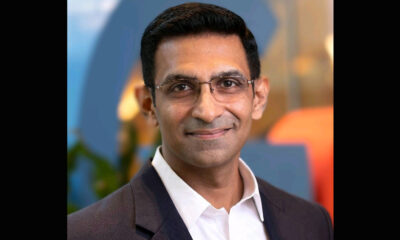
Want to make Viacom18 digitally transformed via VStEP: Achint Setia


For every young graduate today, the fairytale dream is no more finding a stable job in an MNC. Instead, youngsters are eager to leave a mark with their world-changing ideas. But launching a startup is no piece of cake. They may have the expertise, the financial backers and the time but what they sometimes lack is the right mentor from companies that made it large. But media company Viacom18 has come forth as a saviour to train technology startups with its property, VStEP.
A unique initiative in India’s media and entertainment space, VStEP is a startup engagement programme that creates an opportunity for start-ups to pilot technology-based solutions to business problems.
Working in close collaboration with business units across the Viacom18 network, the VStEP startups develop solutions that are relevant to both media and non-media companies. Viacom18 recently concluded the first class of VStEP in partnership with Zone Startups India, a global brand of technology accelerators and early stage venture funds, operated by Toronto-based Ryerson Futures Inc.

Indiantelevision.com spoke exclusively to the man heading VStEP, Viacom18 digital ventures senior vice president Achint Setia who gave us insights about the thought behind launching VsTEP, what makes them tick, importance of technology for Viacom18 and much more.
What was the rationale behind launching VStEP?
We launched VStEP in October 2017 with the thought of how do we stay close to the disruption along with solving our daily business problems which cannot be resolved at speed and scale unless we have significant technology intervention there. We also wanted to create an open work culture in the organisation. We have been working with startups for several years now in different projects here and there. But what we’ve realised, is that if these startups are left alone in the organisation, they get aloof in the corporate system. They need a continuous mentorship and guidance on how to manoeuvre in the corporate system to get the best outcomes for their products.
So you want to mentor talent rather than just investing in them?
Money is the easiest problem to solve for any startup because you have a lot of people with tons of money who don’t know where to invest. There are sufficient crowdfunding platforms that will get you the right money. The key is to identify where do you deploy that money effectively to scale up. Scaling up today in the current ecosystem is the biggest challenge for a large organisation as well as for a startup. It is important to realise what problem you’re trying to solve. A lot of young guys come with interesting solutions but get lost in technology and forget the business proposition. This will only come with correct mentorship. If we don’t listen to the real potential impact of some of these solutions, a lot of good ideas get lost in translation. People came to the program with a particular idea, and what really came out by the end of the program was completely different. Of course, money is also important but not the driving factor.
What were the key problems that you were trying to solve with the program?
When we started the program, we had five focus areas where we felt technology could help our business model and operations. The first focus areas was about doing something in AI/deep learning space and solutions which could come in help for our digital platforms, especially Voot, along with our other assets to enhance the consumer experience or improve the quality of content we serve or just the way we understand consumers. The second focus area for us was around corporate legal where we didn’t want to rely too much on human intervention and make it automated. Third corporate finance, followed by content and consumer insight . We also wanted to give an opportunity to other M&E tech startups to pitch their solutions to us which is why we had the fifth focus areas as other promising M&E innovations
So are you looking at building the company very differently with a lot of dependence on technology and less on human interaction?
The entire initiative is to make Viacom18 more tech savvy and a digitally transformed organisation having adopted technology not only in certain parts but across the board. As the technology evolves, we also want to make sure that the technology skill and understanding of our employees develop simultaneously.
You recently concluded your first masterclass/program. How did it go and how many entries did you see?
We started the program last year with road shows across Delhi, Mumbai and Bangalore. We had over 200 entries from startups across the country from which we shortlisted 12 startups for the first round of pitch. The shortlisting was done in combination with our partners, zone startups, and a bunch of leaders from within the organisation who understand the business in and out.
How involved will the winners of the program be at Viacom18? Will they work closely with the organisation?
We have already signed up two of the VStEP First Class startups with long-term contracts. We are working with the winners of the showcase on piloting their solution to assess its deployment at scale. We completed successful POCs with the other two startups as well and shall engage them on business use-cases as required in future.
What were the areas of delivery of the winners?
The startup that won the VStEP startup showcase is an Artificial intelligence and data analytics startup. The first winner works on auto-generation of fine meta-data tags; which will help us in understanding the consumer better. The second winner had done brainwave mapping (also known as Neuro testing)to understand the consumer behaviour which is very effective when we are doing research on promos, new content etc. The third winner is into automating the Customer/Vendor verification with real time due diligence reporting which helps expedite the due-diligence process.
What was the range of investment for first season of VStEP program?
We are not looking at investment as a key criteria in this program. Investment would be something which we evaluate on a case to case basis.
In the program, were the entries just ideas or a definite product? What were your criteria?
Our criterion was that we want growth stage startup, which means they would have already developed a proof of concept and have a solution ready. While the solution may not be immediately deployable for our business problem but it has to be ready in some stage or we spend a lot of time working with them to make something ready.
You mentioned that it’s important for brands to invest in technologies. How important will technology be for Viacom18 in 2020?
Technology is becoming core to every industry and organisation now. The media industry has been historically a very technology dependent industry. To put anything on air requires heavy investment in technology. The way technology is manifesting now has changed. Technology is a big focus area for our organisation’s transformation program.
So will you only invest in technology companies?
The startup ecosystem in India is largely dependent on technology sector. If there are certain sector issues that we can’t solve at speed, we will look at all kinds of startups. But technology will always remain at the core of it.
Who were involved in the program from the leadership team?
There were bunch of people from our leadership team starting right from Sudhanshu Vats, to our finance head, Digital ventures head, strategy head and our legal head. In total, we had 9 people from the leadership team. It wasn’t just the first layer of leadership but mentorship came from three layers of leadership Led by the VStEP Champions.
When will you roll out the next program?
We will roll it out in the next quarter or so. It is going to be an ongoing thing. As we look at scaling up the technology at Viacom18, we want to expand the scope of problems we want to solve and the kind of startups we will look at. This year, we may also look outside India in Singapore, Israel and so on to find startups. We also want to build an ecosystem of partners which is very important for us who could add layers to the program in terms of mentorship, access to their status to VStEP and providing access to our startups to other platforms.
How will you put the word out and let the startup community know that you are willing to invest and mentor them?
The word of mouth spreads fast in this community as the startup community is extremely connected.
Will you promote all the talent from the program in the industry?
Absolutely! We don’t want to constrain the startup to work with only Viacom18. We want them to grow on their own even if they want to work with another broadcaster. The IP of the idea remains with the startup. We are not into this for IP rights as we are not investing in them monetarily.






Brands
SatLeo Labs raises $5.5m seed funding led by Unicorn India Ventures
Fresh capital to power thermal satellite mission and AI data platform
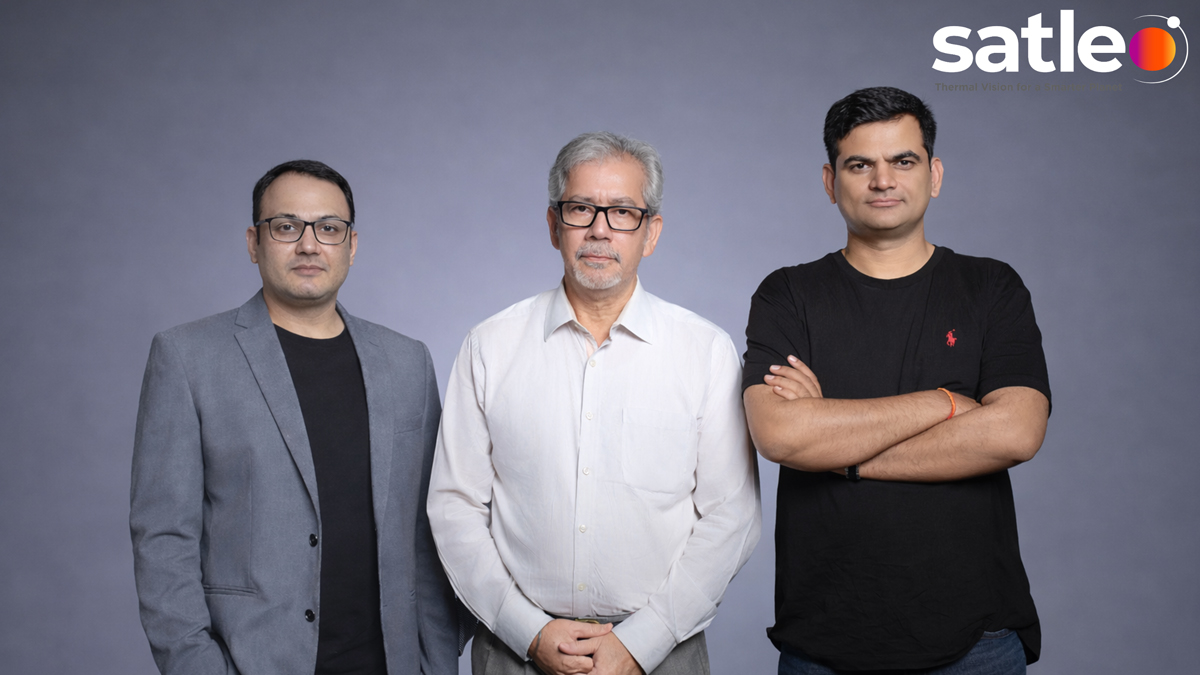
MUMBAI: SatLeo Labs has raised $2.2 million in a fresh seed round led by Unicorn India Ventures, taking its total funding to $5.5 million as it steps up efforts to scale its space-based thermal intelligence platform.
The funding round also saw participation from existing backers including Merak Ventures, Java Capital, IIMA-CIIE and deep-tech investor Manish Gandhi.
The capital will be used to accelerate SatLeo’s flagship thermal satellite mission and further develop its AI-powered platform designed to deliver high-resolution thermal and visible data from low Earth orbit. The company aims to turn this data into actionable insights for sectors ranging from climate monitoring to urban planning.
Over the past year, SatLeo has scaled rapidly, growing its team from 8 to 30 specialists across satellite engineering, thermal sensing and AI-led geospatial analytics. It has also achieved a key milestone with the development of its first experimental payload, TAPAS-1, which reached near flight-ready status within six months and is now positioned for launch.
On the ground, the startup has begun translating its technology into real-world use cases. Pilot projects in cities such as Ahmedabad and Tumakuru have focused on monitoring urban heat islands and air pollution, impacting over 400,000 citizens. At the same time, its commercial pipeline has expanded sharply, with letters of intent rising from around $15 million to over $42 million within a year.
SatLeo Labs co-founder and CEO Shravan Bhati said, “Sustainability has become imperative amid accelerating climate change and rapid urbanisation. This fundraise represents a critical milestone as we move into the execution phase of our next mission.”
He added that the company is focused on scaling its satellite constellation and enhancing payload performance to deliver thermal intelligence at a global level.
Backing the startup, Unicorn India Ventures managing partner Bhaskar Majumdar said, “Space is an arena where the next wave of technological innovation will emerge. SatLeo’s ability to combine thermal and visible satellite data into real-time insights positions it strongly for long-term growth.”
Looking ahead, SatLeo plans to focus on launch readiness, expanding commercial deployments and scaling its technology stack over the next 12 months.
As demand for climate and environmental intelligence grows, SatLeo’s latest fundraise signals rising investor confidence in space-tech solutions that bring data from orbit down to everyday decision-making.






