MAM
VML ES Hub India appoints Rakesh Chawla as CEO

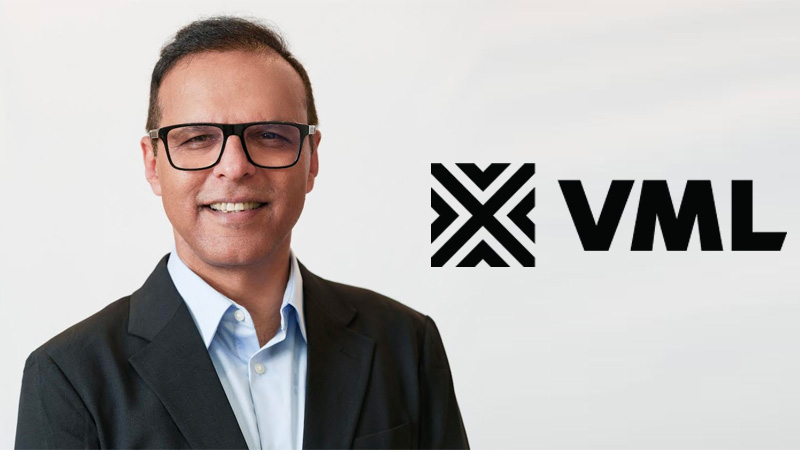
MUMBAI: VML has named Rakesh Chawla as the new CEO of its Enterprise Solutions Hub in India, signalling a renewed push towards next generation technology, sharper delivery and accelerated client impact.
The ES Hub is one of VML’s fastest expanding technology engines and plays a central role in blending creativity with advanced engineering to solve complex business challenges. Chawla will now lead this mandate, ensuring clients benefit from high quality solutions built on emerging technologies including agentic and generative AI.
The Hub functions as a global centre of excellence, teaming up seamlessly with strategists, creatives and technologists across VML’s worldwide network. The aim is simple, help clients do more and do it faster.

Chawla brings deep experience from leadership stints at Microsoft, Amazon, Sears and IBM. His background in building high performing tech teams and establishing global delivery centres positions him to further strengthen the Hub’s reputation for speed, scale and a people-first engineering culture.
VML APAC CEO YiChung Tay said, clients can expect sharper access to cutting edge tech and creative thinking delivered with precision.
Rakesh Chawla added that he looks forward to helping clients innovate boldly and turn ambitious ideas into business results. APAC chief experience officer Symon Hammacott, highlighted that the Hub’s focus on people and innovation continues to help clients convert bold visions into measurable growth.







Brands
Jubilant Foodworks to end Dunkin’ franchise in India
Pizza chain operator will not renew agreement when it expires at end of 2026.
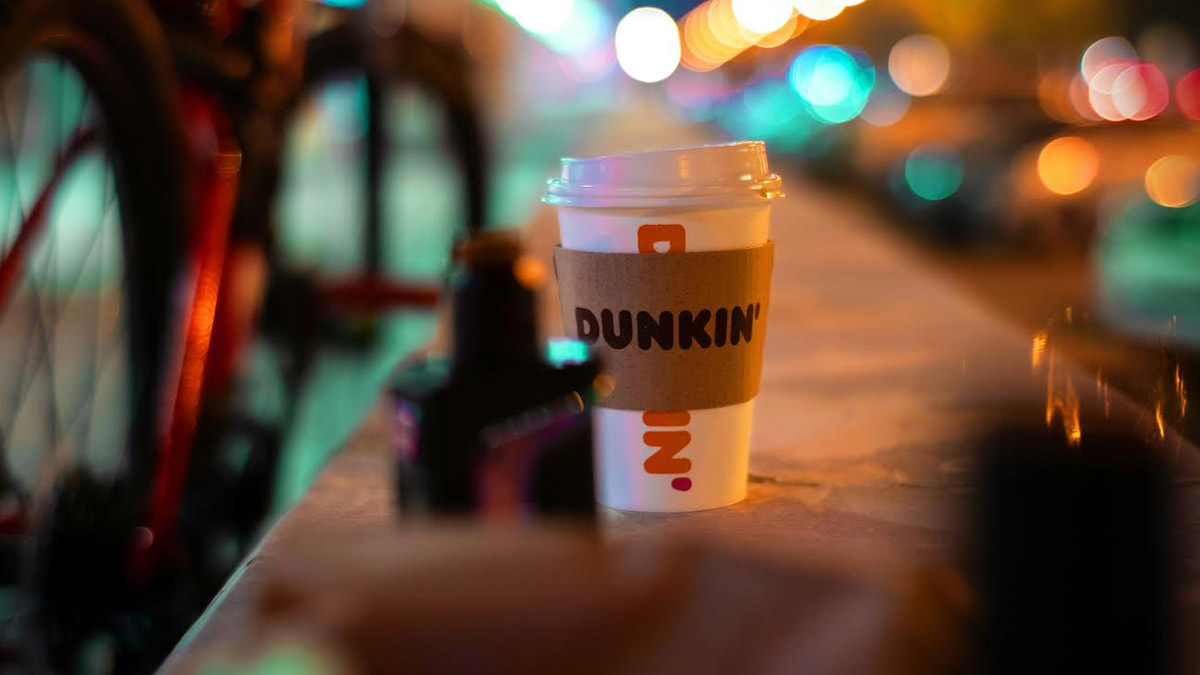
MUMBAI: When the doughnuts stop turning and the coffee goes cold, even a global giant like Dunkin’ can find the Indian market a tough brew to crack. Jubilant Foodworks has decided not to renew its franchise agreement with Dunkin’ when the pact expires on 31 December 2026, according to a Reuters report. The operator, best known for running Domino’s outlets in India, said it would evaluate options for its existing Dunkin’ stores, including a potential sale or transfer of franchise rights, in consultation with the US-based brand.
The decision follows years of underperformance in a market where local tastes and intense competition have made it difficult for international coffee-and-doughnut formats to gain traction. Jubilant, which has increasingly focused on its core pizza business and newer bets like Popeyes, indicated that the exit would not materially affect its financial or operational position.
Dunkin’ accounted for just 0.61 per cent of Jubilant’s revenue in the fiscal year ending 2025 and recorded a loss of approximately Rs 191 million, according to a regulatory filing. The company operated 27 outlets as of December 2025, having shuttered seven stores over the preceding year.
The retreat comes even as Jubilant’s broader business shows signs of momentum. The company reported a 65 per cent rise in quarterly profit for the October to December period, reaching Rs 70.9 crore, up from Rs 42.91 crore a year earlier.
For Jubilant, the exit reflects a sharpening strategic focus. For Dunkin’, it marks another setback in a market that has proven resistant to imported café concepts without significant localisation.
In the cut-throat world of Indian quick-service restaurants, sometimes the sweetest deals are the ones you quietly walk away from leaving more room for the brands that truly rise to the occasion.