MAM
Virtual marketplace Truebil raises Rs 3.2 crore from Kae Capital, Mittal


MUMBAI: Truebil, a Mumbai-based start-up in the pre-owned cars virtual marketplace has raised Rs 3.18 crore ($500,000) in its first round of funding from Kae Capital and angel investor Anupam Mittal, who is the founder and CEO of People Group.
With the investment, the company plans to develop a robust technology to enhance the end user-experience and further expand to other cities in the country.

Founded in March 2015, Truebil is an outcome of the integration of seven minds; Suraj Kalwani (CEO), Ravi Chirania (operations), Shubh Bansal (marketing), Rakesh Raman (product), Ritesh Pandey (technology), Shanu Vivek (marketing) and Himanshu Singhal (operations).
The founders together hold an experience of having worked with companies like Housing.com, Fab.com and Fusion Charts etc. Their new venture, Truebil aims to make pre-owned vehicle buying and selling experience more rewarding and uncomplicated while ensuring absolute transparency to the buyers. Truebil provides a one stop solution for buying and selling of used automobiles by offering free inspection and valuation, quick sell guarantee, free vehicle buying consulting, smooth paper transfer, loan assistance, insurance support and car spa to all the purchases made through the online portal.
Truebil co-founder and chief of marketing & growth Bansal said, “The fundamental problems in buying a pre-owned car are the delayed processes and the hassle. With Truebil’s unique model, we are confident of bringing about a revolution in the used car market in the country and making the buying process a gratifying experience for the consumers. We have received encouraging response from the users since the website’s launch in Mumbai and plan to use the current funding for innovating on the products side to give them a seamless experience.”
Kae Capital investment director Navin Honagudi added, “Truebil lists verified cars, which solves for trust while making a purchase decision. The team has strong experience in scaling marketplace and the vision with Truebil is to buy a used car at the click of a button.”
“The world is moving to full-stack solutions unlike the Indian pre-owned cars market which has not seen innovation since decades. I think Truebil and its team are poised to crack that,” said Mittal.





MAM
Beacon Group appoints Dr Rajesh Patel as Group CEO
36-year healthcare veteran to lead Beacon Diagnostics, Vector Biotek, Biogeny.
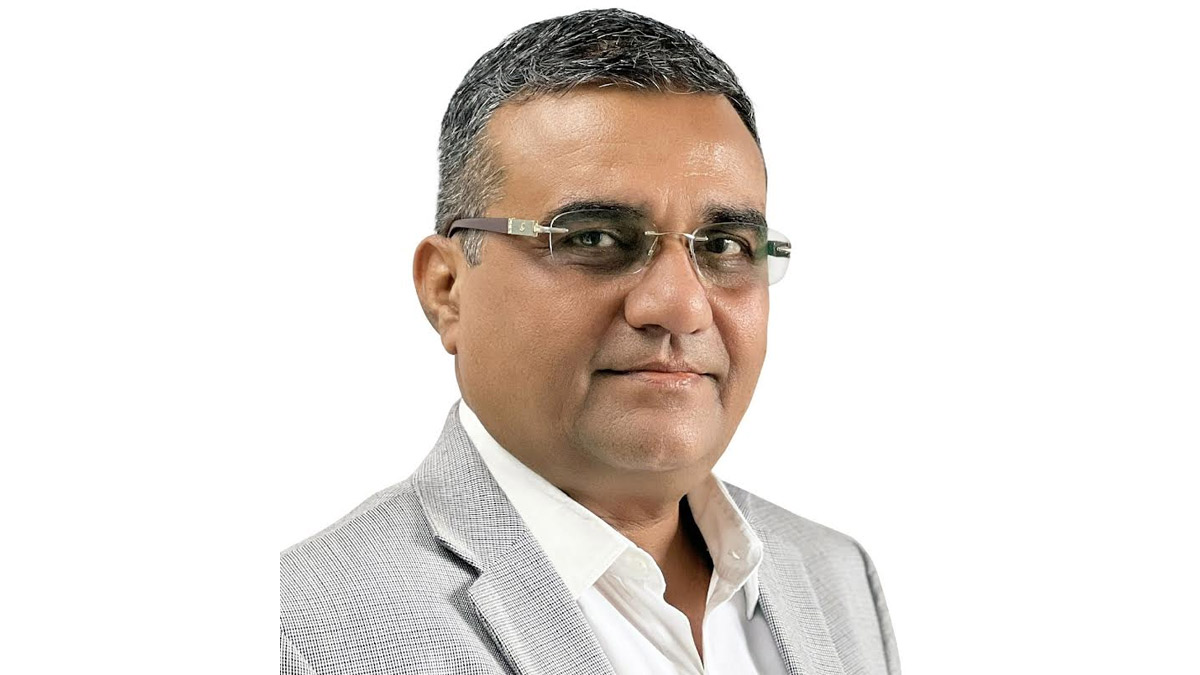
MUMBAI: A new chief, a fresh diagnosis and a sharper prescription for growth. Beacon Group has appointed Dr Rajesh Patel as its Group Chief Executive Officer, effective April 1, 2026, signalling a decisive push to scale its presence in the diagnostics and IVD space. Patel steps into the role with 36 years of experience across the healthcare and diagnostics industry, bringing a career shaped by leadership roles spanning sales, marketing, business development and operational strategy. His mandate is both expansive and precise: to steer the group’s overall strategic direction while tightening coordination across its three core entities Beacon Diagnostics, Vector Biotek and Biogeny Diagnostics.
In practical terms, that means driving cross-company synergies, accelerating market expansion and strengthening organisational capability areas increasingly critical as diagnostic players compete for scale in a fragmented yet rapidly evolving healthcare ecosystem. The group is positioning itself to capture unmet demand across chain laboratories, key accounts and standalone labs, segments that remain underserved despite growing diagnostic needs.
The appointment comes at a time when the In Vitro Diagnostics (IVD) sector in India is entering a more competitive and innovation-led phase, with companies focusing not just on product pipelines but also on service delivery, integration and customer-centric models. Beacon’s leadership appears to be betting that Patel’s execution-focused approach can help translate ambition into operational momentum.
Welcoming the appointment, Chairman Dr D K Joshi described Patel’s induction as a strategic move aligned with the group’s long-term vision, emphasising the role of leadership depth in navigating the next phase of growth.
For Beacon Group, the message is clear, in a sector where precision matters, leadership is the new differentiator—and this appointment is intended to set the tone for what comes next.






