MAM
Vicks Cough Drops unveils sign language version of #VicksKholIndiaBol cheer anthem

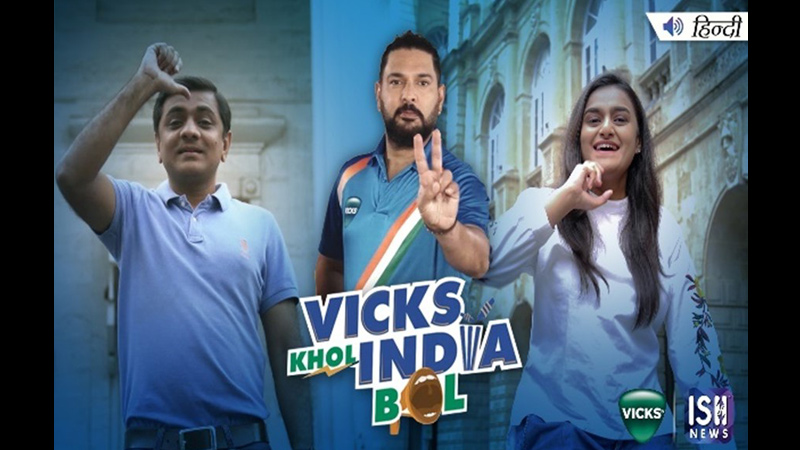
Mumbai: Vicks Cough Drops, the trusted brand known for its commitment to giving India a khich khich free voice, announced the launch of its special Indian sign language version of the #VicksKholIndiaBol cheer anthem in collaboration with ‘India Signing Hands’ – an organisation dedicated to promoting Education, Awareness, and Accessibility for the Deaf Community in India.
Vicks Cough Drops has always been known for its iconic campaigns highlighting how it has enabled Indians to speak up in critical moments of life without any khich khich. Earlier this month, Vicks Cough Drops joined hands with cricket icon Yuvraj Singh to unveil its new #VicksKholIndiaBol Cheer Anthem celebrating our nation’s boundless enthusiasm for cricket and enable 142 crore Voice champions to cheer for their team this cricket season.
P&G India category leader – personal healthcare Sahil Sethi stated, “Our #VicksKholIndiaBol anthem in collaboration with Yuvraj Singh, aims to inspire millions to cheer aloud with a khich khich free voice and support their team this cricket season with a josh like never before. Towards ensuring that no cheer goes unheard, we are delighted to launch a special version of this anthem in Indian Sign Language in collaboration with India Signing Hands for the 6.3 crore hearing-impaired cricket fans. Directed, performed, and edited by enthusiastic members of the hearing-impaired community from India Signing Hands, in collaboration with Vicks India, the sign language version brings together this special community of fans in cheering through their gestures, and celebrating their passion for the game.”

India Signing Hands founder & CEO Alok Kejriwal shared, “It’s crucial to recognize that the individuals of the deaf community possess extraordinary talents, just like anyone else. However, due to the physical constraints, they often find themselves and their voices hidden from the larger narrative of the society. Vicks has been a household brand for many of us, and we were so excited to be approached by Vicks Cough Drops to create this fun anthem in Indian Sign language to enable the deaf to also join in to cheer during this cricket season. The experience was incredibly moving. The participants, who often struggle to express themselves, found their voices through the anthem. They felt empowered, and the recording process became a memorable journey for many, filled with emotion and joy. We applaud Vicks Cough Drops for this inclusive effort and thank Yuvraj for his enthusiastic support.”
The anthem features passionate fans from the community and Cricket icon Yuvraj Singh himself grooving to the lyrics using the Indian Sign Language.
“I enjoyed learning and performing the #VicksKholIndiaBol anthem in Indian Sign Language. I thank Vicks and India Signing hands for this opportunity to connect with this very special community of cricket fans,” said Yuvraj Singh while sharing his experience.





MAM
One Hand Clap acquires Agenseed to enter distribution space
Creative agency expands into full-stack services with strategic buyout.
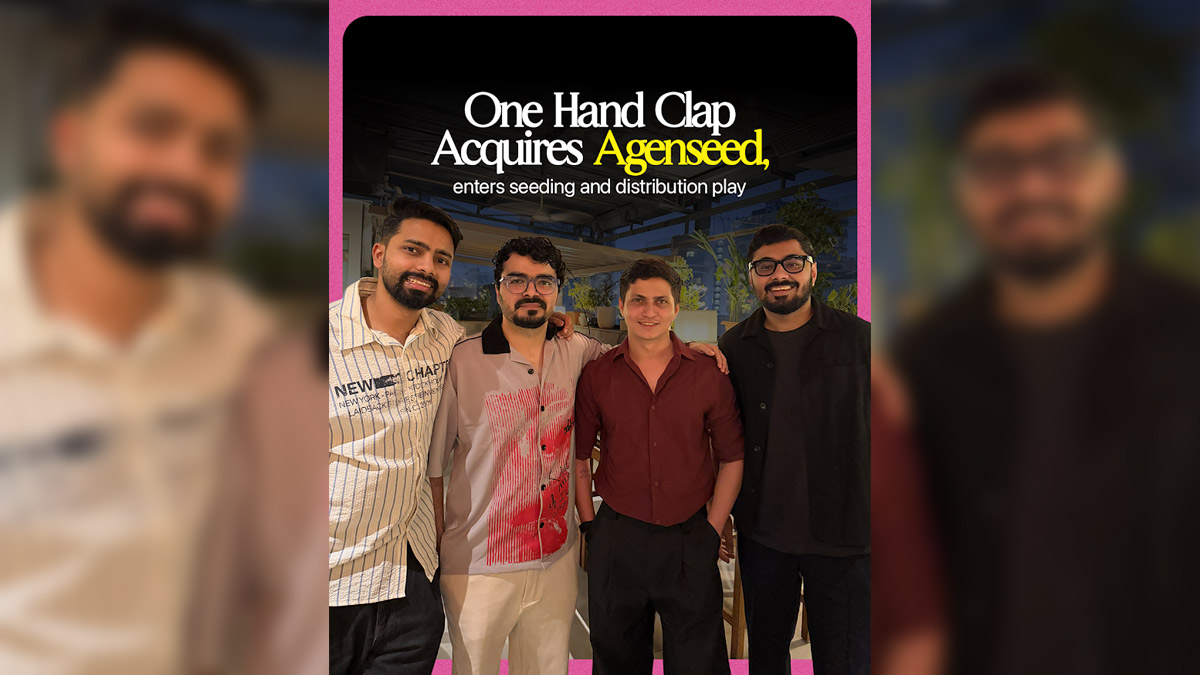
MUMBAI: One Hand Clap has decided to stop just clapping for great ideas now it wants to make sure they actually travel. The leading new-age creative agency and production house has acquired Agenseed, a seeding and distribution firm, marking its formal entry into the distribution segment. The move is aimed at expanding its role across the entire marketing value chain and unlocking new growth opportunities.
One Hand Clap expects the new distribution vertical to contribute up to 15 per cent of its overall revenues over the next 12–18 months, signalling a clear strategic shift beyond pure creative services.
Agenseed, founded by Monish Hardasani and Akram Malik, will function as the agency’s dedicated distribution arm. This acquisition strengthens One Hand Clap’s position as it aims to become a full-stack creative and distribution company in India’s rapidly growing digital advertising market.
With over 90 million posts shared daily on Instagram and brands allocating 25–35 per cent of their digital budgets to distribution and creator-led reach, amplification has become critical to campaign success. By integrating distribution early into the creative process, the agency hopes to help campaigns gain stronger cultural traction and momentum.
One Hand Clap founder Aakash Shah said, “The future of advertising is not just about executing great ideas, but about placing them intelligently. By owning both storytelling and distribution, we can drive greater impact for brands while opening up new revenue streams.”
Agenseed co-founder Monish Hardasani added, “The future belongs to ideas designed to travel. This partnership allows us to integrate distribution thinking at the source.”
Founded in 2019 by former AIB leaders Aakash Shah and Naveed Manakkodan, One Hand Clap has worked with major brands including Swiggy, Google, Netflix India, Crocs, Duolingo, CRED, Bumble, BGMI and Chetak. The agency also secured investment from Zerodha co-founder Nikhil Kamath last year.
In an increasingly fragmented attention economy, this acquisition reflects a broader industry shift where agencies are building end-to-end capabilities to stay competitive. One Hand Clap is clearly clapping louder and ensuring its ideas now reach much further.






