MAM
Vibrant Media bags Rs 100 crore Jio-bp media account


MUMBAI: It’s vibrant and it’s going to be all about gas. Mumbai-based media outfit Vibrant Media has raced ahead of Group M and Beehive Communications to capture the Rs 100 crore account of Jio bp in a three-agency pitch.
Reliance BP Mobility Limited (RBML) – a 51: 49 joint venture between Mukesh Ambani’s Reliance Industries and global energy major bp – was set up in 2021 to operate the Jio-bp brand and make it a leading player in India’s fuels and mobility markets.
Jio-bp has since then been leveraging Reliance’s presence across 21 states and its millions of consumers through the Jio digital platform while bp has brought its extensive global experience in high-quality differentiated fuels, lubricants, retail and advanced low carbon mobility solutions.

RBML has plansto explodeits current count of 2,000gas station to up to 5,500 over the next three years.
An advertising blitz is expected to break later this month and cuts across TV, digital, print, and outdoors, reveal sources. Jio bp had in June 2023 handed over the digital mandate for the account to Saatchi & Saatchi Propagate. That, according to sources, has been handed over to Vibrant, which handles most of the Reliance brands media spends.
Jio BP – a joint venture between Mukesh Ambani’s Reliance Industries and oil major British Petroleum – seeks to become set up a chain of Operating under the “Jio-bp” brand, the joint venture aims to become a leading player in India’s fuels and mobility markets. It will leverage Reliance’s presence across 21 states and its millions of consumers through the Jio digital platform. bp will bring its extensive global experience in high-quality differentiated fuels, lubricants, retail and advanced low carbon mobility solutions.
bp and RIL expect the venture to grow rapidly to help meet India’s fast-growing demands for energy and mobility. India is expected to be the fastest-growing fuels market in the world over the next 20 years, with the number of passenger cars in the country estimated to grow almost six-fold over the period. RBML aims to expand from its current fuel retailing network of over 1,400 retail sites to up to 5,500 over the next five years. This rapid growth will require a four-fold increase in staff employed in service stations – growing from 20,000 to 80,000 in this period. The joint venture also aims to increase its presence from 30 to 45 airports in the coming years.






MAM
Joy Personal Care rolls out Ubtan Face Wash TVC with Shah Rukh Khan
New film pairs star power with simple skincare pitch for summer glow
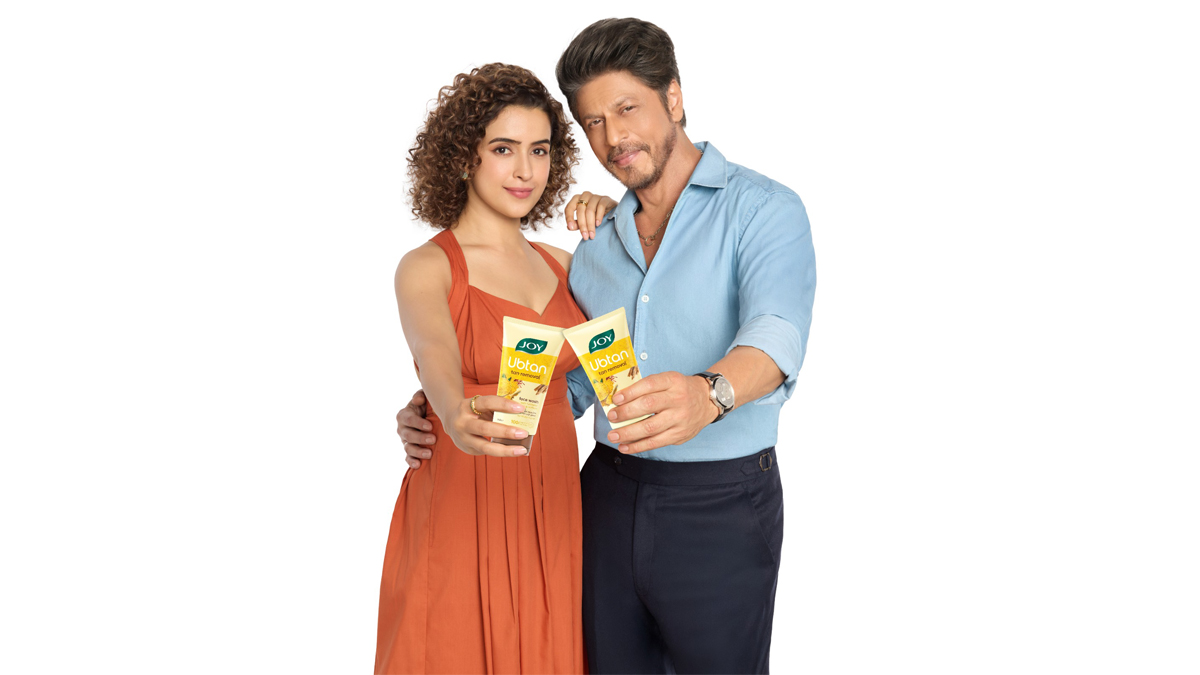
MUMBAI: Joy Personal Care has unveiled a new television commercial for its Ubtan Face Wash, bringing together Shah Rukh Khan and Sanya Malhotra in a light-hearted campaign aimed at simplifying everyday skincare choices.
The film, which marks the product’s television debut, is set in a retail environment where Malhotra is seen navigating a shelf full of options before Khan steps in with his trademark charm to offer a fuss-free solution. The narrative leans on humour and relatability, turning a routine purchase into a playful exchange.
At its core, the campaign promotes the brand’s ubtan-based formulation, which blends traditional ingredients such as turmeric, saffron and sandalwood to address common summer concerns like tanning and dullness. The messaging keeps things simple, positioning the product as an easy addition to daily routines rather than a complicated skincare step.
RSH Global co-founder and chairman Sunil Agarwal said, “As summer sets in and exposure to sun and heat intensifies, skincare concerns like tan and dullness become more pronounced. Consumers today are looking for solutions that deliver visible results while remaining easy to incorporate into daily routines.”
Echoing the consumer-first approach, RSH Global chief marketing officer Poulomi Roy said, “Through this campaign, we have brought that insight to life in a simple and engaging way, showing how Joy Ubtan Face Wash makes traditional skincare easy and effective. Shah Rukh Khan and Sanya Malhotra add relatability and charm, helping the product connect more strongly with audiences.”
Sharing his experience, Shah Rukh Khan said the campaign stood out for its simplicity and everyday appeal, while Sanya Malhotra highlighted the natural chemistry and playful tone of the shoot.
The campaign will be amplified across television, digital and social platforms, signalling a wider push as the brand looks to strengthen its position in the competitive face wash segment.
Part of RSH Global, Joy Personal Care continues to build visibility through celebrity-led campaigns and sports partnerships, including associations with Kolkata Knight Riders, Delhi Capitals and Gujarat Giants.
With familiar faces, a breezy storyline and a focus on everyday concerns, the latest campaign keeps things straightforward. In a crowded skincare aisle, sometimes the easiest answer is also the most effective one.






