Brands
upGrad acquires Internshala in 90 per cent stock deal to own career funnel
Deal aims to scale Internshala’s revenue from Rs 45 crore to Rs 100 crore

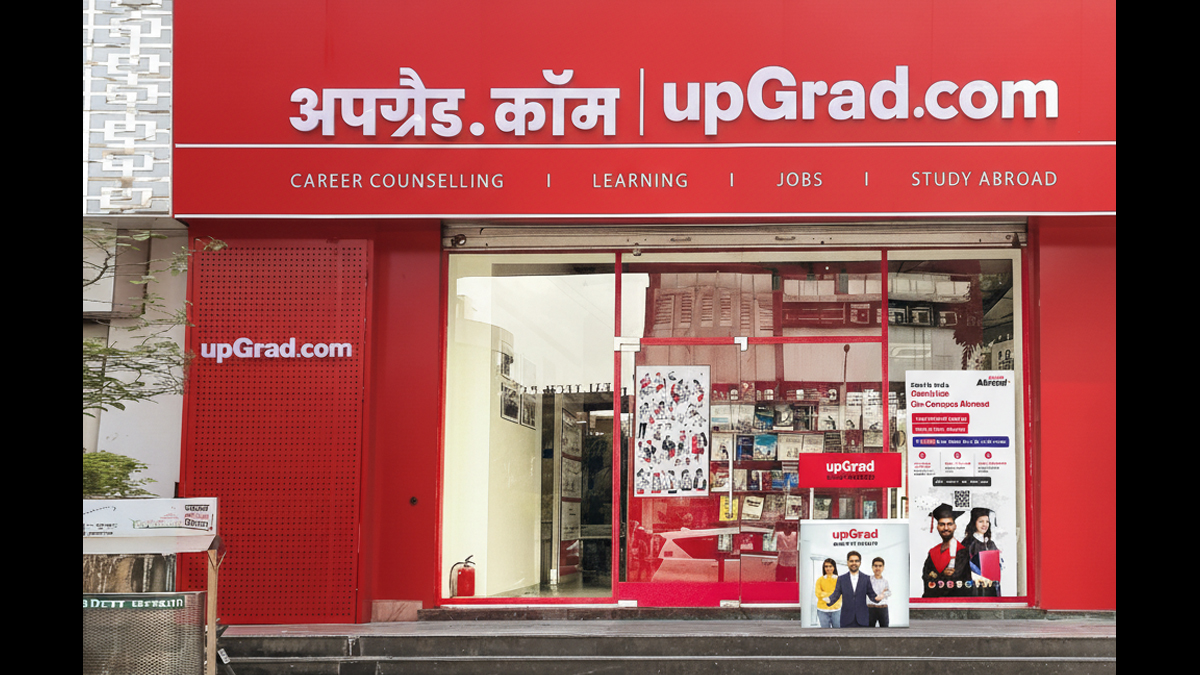
MUMBAI: upGrad has acquired Internshala, the world’s largest internship and early-talent marketplace, in a bid to stitch education, skilling and employment into a single career pipeline.
The transaction, announced on 26 February, is structured as a 90 per cent stock-swap, with the financial terms undisclosed. The deal deepens upGrad’s push to control the full career lifecycle, from learning to hiring, at a time when India’s skilling economy is under pressure to deliver outcomes, not just credentials.
Founded in 2010, Internshala claims more than 34 million registered users and 450,000 employers, with roughly 3 million active applicants each year. Over 40 per cent of its users come from tier 2 and tier 3 cities, and most of the platform’s traffic is organic. The company currently reports an annual revenue base of Rs 45 crore.

Under upGrad’s ownership, Internshala is expected to scale aggressively. The company aims to grow the platform’s revenue to Rs 100 crore and beyond, backed by increased investment in product development, AI-led talent matching and enterprise hiring solutions.
Internshala will continue to operate as an independent brand, led by its founder and CEO Sarvesh Agrawal, while tapping into upGrad’s technology stack, distribution and learning ecosystem.
“Education and employment in India have operated in silos for too long,” said upGrad head of corporate strategy and growth Chirag Samdaria. He said the acquisition strengthens the earliest and most consequential stage of the career journey, where intent is high and outcomes can be shaped.
Agrawal described the deal as a natural convergence of learning and opportunity, adding that the partnership would allow Internshala to skill millions of candidates and supply pre-trained talent to employers at scale.
Investec acted as exclusive financial adviser to Internshala.
The acquisition marks a strategic milestone for upGrad as it seeks to position itself not merely as an education provider, but as an end-to-end workforce development platform aligned with India’s evolving labour market.







Brands
ITC Sunfeast Farmlite launches Sugar Free Cookies range
New variants offer guilt-free indulgence for health-conscious snackers.

MUMBAI: ITC Sunfeast Farmlite is sweetening the deal for biscuit lovers who want to have their cookie and eat it too without the sugar. The better-for-you biscuits range from ITC Foods has expanded its portfolio with the launch of an all-new Sugar Free Cookies line, aligning with the company’s vision of ‘Help India Eat Better’. The range is designed for consumers who are rethinking sugar in their daily snacking but refuse to compromise on taste and indulgence.
The collection debuts with two tempting variants: Choco Nut Cookies and Hazelnut & Oats Cookies. Both are a source of protein and contain no trans-fat, while the Hazelnut & Oats variant is also lactose-free.
ITC Ltd. vice president (marketing), biscuits, foods division, Suraj Kathuria said, “At Sunfeast Farmlite, we believe mindful snacking should never come at the cost of indulgence. With this launch, we are catering to the growing need for guilt-free snacking while delivering a rich, satisfying cookie experience.”
ITC Ltd. vice president & head of food sciences for foods division Dr Shantanu Das added, “We have applied robust food science to develop cookies that are sugar-free while preserving the taste and texture consumers love.”
Each cookie comes in convenient single-serve packs to maintain texture and freshness. Both variants are available in 100g packs priced at ₹100 and can be found on quick-commerce platforms including Blinkit, Swiggy Instamart, and Zepto.
In a market increasingly leaning towards healthier choices, ITC Sunfeast Farmlite’s new Sugar Free Cookies prove that cutting sugar doesn’t mean cutting joy. For the health-conscious yet indulgent snacker, this could be the perfect bite-sized solution.






