MAM
UNESCO-Ipsos: Six in ten urban Indians find social media most misleading yet preferred for news

Mumbai: The UNESCO-Ipsos Survey on the impact of Online Disinformation and Hate Speech shows, that disinformation and fake news and hate speeches are a reality in India with 64 per cent blaming social media feeds as the biggest source of disinformation and fake news. Ironically, 1 in 2 urban Indians (56 per cent) claimed to turn to social media feeds as their top choice for news and information.
UNESCO and Ipsos decided to conduct a global survey on the impact of online disinformation and hate speech in 16 Countries where general elections are to be held in 2024 and posed questions specific to this context. Do they feel disinformation has already had an impact on political life in their country and is there concern about disinformation impacting the next campaign?
Sources of disinformation and fake news. And sources accessed for news and information

Urban Indians believe social media feeds is the widest source of disinformation and fake news (64 per cent), followed by large groups or communities or online messaging groups (42 per cent), media websites/ media mobile apps (23 per cent), television (17 per cent), in-person/ online discussions with family members, friends or colleagues (17 per cent), newspapers or news magazines (11 per cent) and radio (four per cent).
Interestingly, in spite of being aware of the pitfalls of turning to social media feeds, as it is perceived to be the widest purveyor of disinformation and fake news, paradoxically, one in two urban Indians (56 per cent) claimed to turn to social media feeds as a top choice for news and information. Followed by television (42 per cent), newspapers or news magazines (37 per cent), media websites or media mobile apps (24 per cent), large groups or communities on online messaging apps (17 per cent), in-person or online discussions with family members, friends or colleagues (seven per cent) and radio (six per cent).
Hate Speeches
At least 85 per cent of urban Indians polled claimed to have come across often, online content that seemed like hate speech. Across all 16 markets, Indians came across hate speech the most, followed by citizens of Bangladesh (84 per cent).
Hate speeches can be found on social networks, comment sections of articles, in instant messaging. And can target individuals or groups of people (ethnic, racial, religious minorities, LGBTQ+ and people with disabilities.
Biggest victims of hate speech on social media across 16 countries were LGBT+ people (33 per cent), ethnic/ racial minorities (28 per cent), women (18 per cent), religious minorities (17 per cent), the poorest members of society (17 per cent), overweight persons (13 per cent), people with mental health issues (12 per cent) etc.

Trust and safety measures on social media during elections

Broad approval (among citizens across 16 markets) for governments and regulators requring social media platforms to put in place trust and safety measures during election campaigns, to safeguard the sanctity of elections. 93 per cent of urban Indians polled endorse this view.
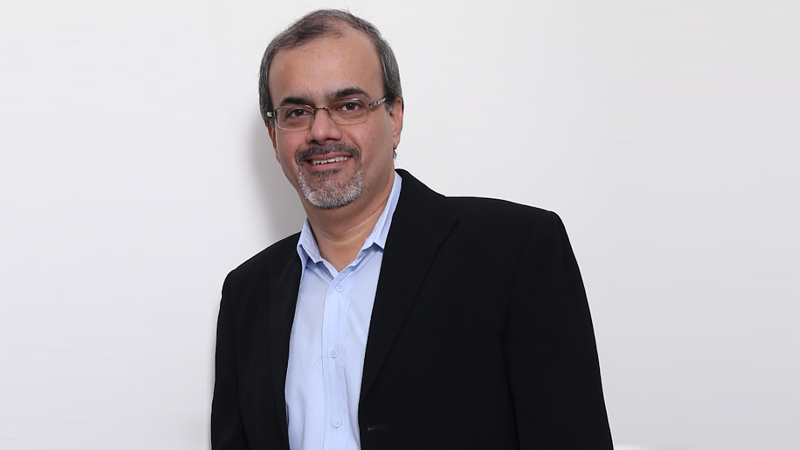
Summarizing on the findings of the survey, Ipsos India CEO Amit Adarkar said, “The UNESCO-Ipsos survey is pertinent as India is among the 16 markets that go into the general elections in 2024. Social Media Feeds while being accessed for breaking news and for information, is perceived to be fraught with disinformation and fake news believe majority of urban Indians polled. There is a strong case for guardrails and govt and regulators need to ensure social media platforms implement trust and safety measures during the general elections given the risk it poses for disinformation and fake news.”
“Social media is like a loose cannon, can cause immense damage to reputation and credibility especially during the elections. All the hate spewed is also unfettered,” added Adarkar.

MAM
Ameya Velankar steps down as Uber’s head of marketing for India & South Asia
Veteran marketer exits after more than seven years with the ride-hailing giant.
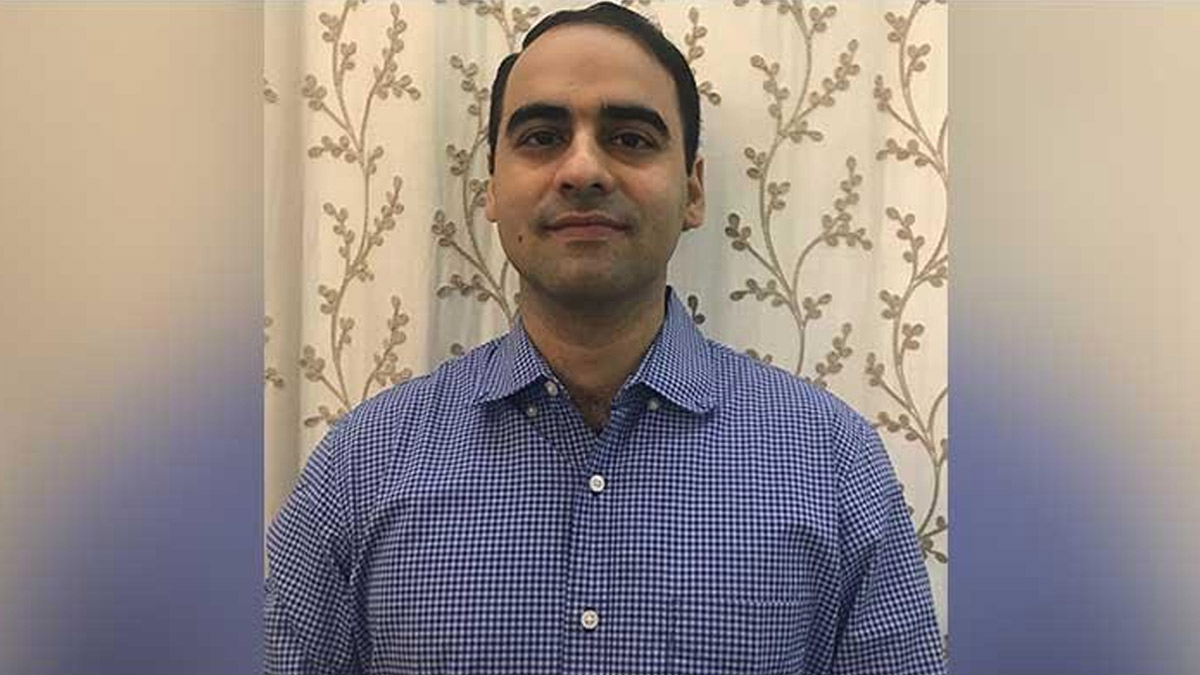
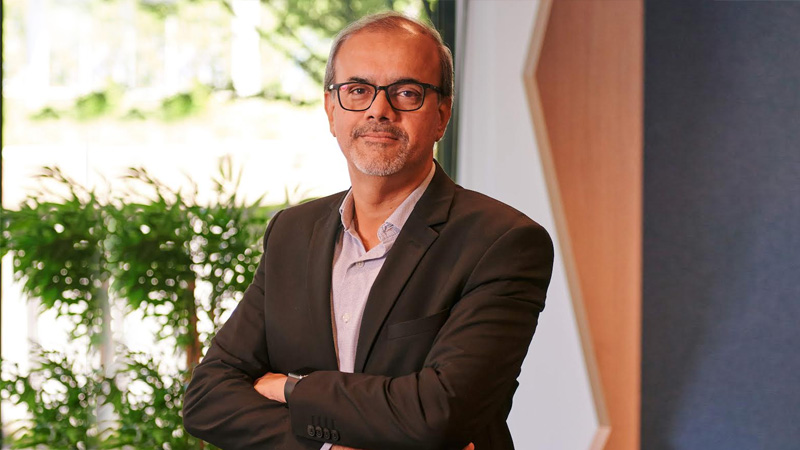
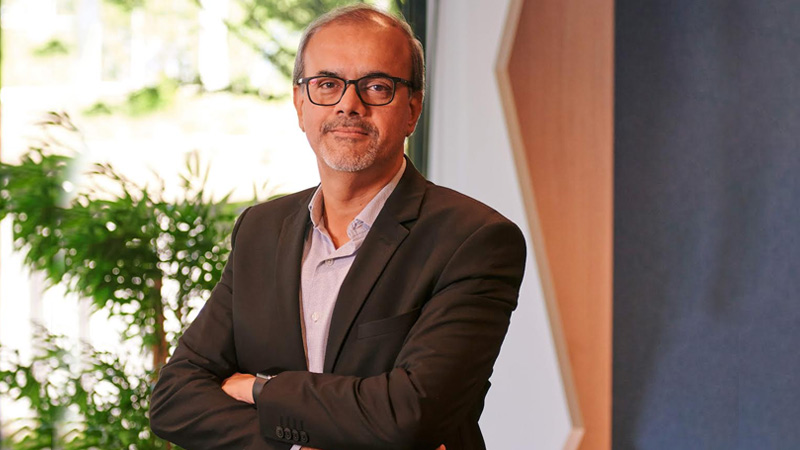
MUMBAI: After more than seven years of steering Uber through the bumpy roads of India’s mobility market, Ameya Velankar has decided to change lanes. Ameya Velankar has stepped down as Head of Marketing for India and South Asia, marking the end of a significant chapter at the ride-hailing company. He had been with Uber since 2019, taking on multiple roles in product and category marketing before rising to lead the marketing function for the region in 2021.
During his tenure, Velankar played a key role in strengthening Uber’s positioning in one of its most competitive and dynamic markets. He helped drive localised marketing strategies and scale adoption across key offerings such as Auto, Moto, Rentals and Intercity, tailoring global platforms to Indian consumer needs.
Prior to joining Uber, Velankar built his marketing expertise at leading consumer companies including SC Johnson and Marico, where he handled category and product leadership roles. His career began at RPG Enterprises.
Details of his next professional move have not been disclosed.
In a fast-evolving mobility landscape where brands constantly battle for attention, Ameya Velankar helped Uber stay relevant and resonant with millions of Indian users. As he moves on from the driver’s seat of marketing, the company will now look for fresh ideas to keep its wheels turning smoothly.






