MAM
Understanding Baggage Insurance in Travel Insurance in Detail

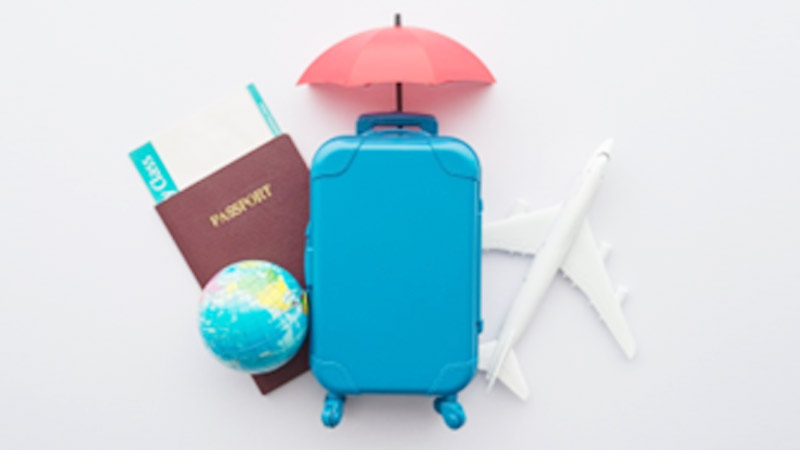
Travelling comes with its fair share of uncertainties. Losing your baggage is one of the most common inconveniences that can disrupt your trip. This is where baggage insurance steps in, offering financial protection for lost, stolen, or delayed luggage. But how does it work with travel insurance? Let’s break it down.
What is Baggage Insurance?
Baggage insurance is a policy that covers the loss, theft, or damage of your checked-in or carry-on luggage. It provides compensation for your belongings, ensuring you don’t have to bear the financial burden.

Key Features of Baggage Insurance
● Covers lost, delayed, or stolen baggage during your journey.
● Reimburses for damaged items in your luggage.
● Provides compensation for essential purchases if your baggage is delayed.
● May include coverage for valuables and important documents, subject to policy terms.
● Available as a standalone policy or as part of a travel insurance plan.
How Does Baggage Insurance Work?
If you lose your luggage during a trip, baggage insurance helps you recover the financial loss. Here’s how it works:
● Report the loss: Immediately inform the airline, transport service, or local authorities about the missing luggage.
● File a claim: Submit a claim to your insurance provider with the necessary documents like receipts, proof of loss, and the airline’s confirmation.
● Receive compensation: Once the claim is verified, you receive reimbursement based on the policy terms.
How Baggage Insurance is Included in Travel Insurance
You can buy a travel insurance online or offline, as per your convenience. Most travel insurance plans include baggage coverage as part of the package. Here’s how it integrates:
● Single trip travel insurance policies offer baggage coverage for one-time trips.
● Multi-trip policies cover multiple journeys within a year.
● Some policies allow add-ons for higher baggage coverage.
● Compensation varies depending on the policy limit and item category.
● The payout process may differ based on whether the loss occurred during air travel, rail travel, or at your accommodation.
What is Covered Under Baggage Insurance?
Baggage insurance typically covers:
● Lost baggage: Compensation for lost checked-in or carry-on luggage.
● Delayed baggage: Reimbursement for essentials if luggage is delayed beyond a specified time.
● Stolen baggage: Coverage for theft, subject to certain exclusions.
● Damaged baggage: Compensation for items damaged due to mishandling.
● Essential purchases: Covers necessary expenses such as clothing, toiletries, and medication in case of baggage delays.
● Loss of important travel documents: Some policies include coverage for lost passports, visas, and travel tickets.
What is Not Covered Under Baggage Insurance?
While baggage insurance is beneficial, it does not cover everything. Here are common exclusions:
● Loss due to negligence (e.g. leaving baggage unattended in public areas).
● Expensive items like jewellery or electronics, unless declared and specifically covered.
● Unreported losses without proper documentation from relevant authorities.
● Loss or damage due to war, natural disasters, or involvement in illegal activities.
● Pre-existing baggage damage: Insurers won’t cover items that were already damaged before travel.
● Losses not reported within the stipulated time frame: Most insurers require prompt reporting of baggage loss.
How to Choose the Right Baggage Insurance
When selecting baggage insurance under travel insurance, consider the following:
1. Coverage limits: Check how much compensation you’ll receive for baggage loss or damage.
2. Claim process: Choose a policy with a simple and hassle-free claims procedure.
3. Exclusions: Understand what is not covered to avoid surprises later.
4. Premium cost: Compare different plans to get the best value for your money.
5. Add-ons: Some policies offer additional coverage for high-value items, medical supplies, or business equipment.
Steps to File a Baggage Insurance Claim
Filing a claim is straightforward if you follow these steps:
1. Report the loss immediately to the airline, transport service, or local authorities.
2. Obtain a written report from the airline or relevant authority.
3. Gather necessary documents, including receipts and proof of ownership.
4. Submit the claim form with all required details.
5. Follow up to track the status of your claim.
Documents Required for Baggage Insurance Claims
1. Copy of the ticket and boarding pass
2. Property Irregularity Report (PIR) from the airline
3. Police report in case of theft
4. Receipts of lost or damaged items
5. Photographic evidence, if available
Tips to Avoid Baggage Mishaps
While baggage insurance is useful, taking precautions can help you avoid losses:
● Use baggage trackers: GPS-enabled devices can help you locate lost luggage.
● Label your bags clearly: Include contact details both inside and outside the suitcase.
● Take pictures of your luggage: Helps in identifying it and speeds up claim processing.
● Keep valuables in carry-on luggage: Avoid checking in important or high-value items.
● Arrive early at the airport: Reduces the chances of baggage mishandling due to last-minute check-ins.
Baggage insurance is a crucial part of travel insurance, providing financial security against lost, delayed, or stolen luggage. Whether you’re opting for single trip travel insurance or a comprehensive annual plan, make sure your baggage is covered. Whether you are securing travel insurance online or offline, always read the policy terms carefully and choose a plan that best suits your travel needs.





MAM
Kalyan Jewellers launches Nimah Collection campaign
New temple-inspired jewellery range stars Sreeleela and Kalyani Priyadarshan.

MUMBAI: Kalyan Jewellers has given temple jewellery a cinematic glow-up and this time, it’s sparkling with star power and storytelling. The leading jewellery brand has unveiled a new campaign for its Nimah Collection, directed by acclaimed filmmaker Priyadarshan and featuring brand ambassadors Sreeleela and Kalyani Priyadarshan. Built around the powerful idea of “A Legacy You Wear”, the campaign presents a cinematic celebration of India’s rich temple jewellery traditions, positioning them as timeless expressions of identity, strength, and artistry.
The film brings mythology and classical performance together in a fresh narrative. Sreeleela’s character embodies strength and discipline, moving from archery to classical dance, with bold temple jewellery accentuating her power. In contrast, Kalyani Priyadarshan’s portrayal explores introspection and creativity through music and writing, highlighted by finer detailing and understated elegance. Together, the two personas showcase the Nimah collection as heritage jewellery that remains relevant across generations.
The Nimah range draws inspiration from South Indian temple jewellery and features intricate Nakashi (hand-carved) work. It includes statement bridal necklaces and haarams, temple-inspired chokers, earrings, jhumkas, rings, and chains perfect for both bridal and festive occasions.
Every piece in the collection comes with Kalyan Jewellers’ trusted 4-Level Assurance Certificate, guaranteeing purity, free lifetime maintenance, and transparent buy-back policies.
The campaign is now live across digital platforms, and the Nimah collection is available at Kalyan Jewellers showrooms nationwide.
In a market often crowded with glitter, Kalyan Jewellers has chosen to shine through meaningful storytelling. With “A Legacy You Wear,” the brand reminds us that the most beautiful jewellery doesn’t just adorn, it carries stories, culture, and timeless elegance forward.






