MAM
TV most preferred medium in the UK: BSkyB survey

LONDON: Most of the UK consumers would be unwilling to give up television – the most preferred news and entertainment medium in the country. These are the findings of the independent research done for the News Corp owned British Sky Broadcasting.
The survey of UK’s consumers completed by ICM found that 56 per cent use television as their main source of news, and 77 per cent feel the TV is more entertaining than national newspapers or radio.
When asked which medium they “could not do without,” more than twice as many people said TV than the national press or radio, the survey found.

The research also suggested that the popularity of television programming is matched by viewers’ preference of TV commercials over other types of advertising. Consumers are 13 times more likely to identify TV advertisements as the most “entertaining, interesting or enjoyable” in preference to ads in newspapers or on the radio.
TV ads, says the ICM research, also deliver a stronger call to action than those in other media: 56 per cent of consumers say they are most likely to respond to TV ads compared with the national press (24 per cent) or radio (four per cent).



Brands
Hyundai Motor India rolls out nationwide AC check-up camp from April 10
Limited-period service drive offers discounts, free checks to beat summer heat
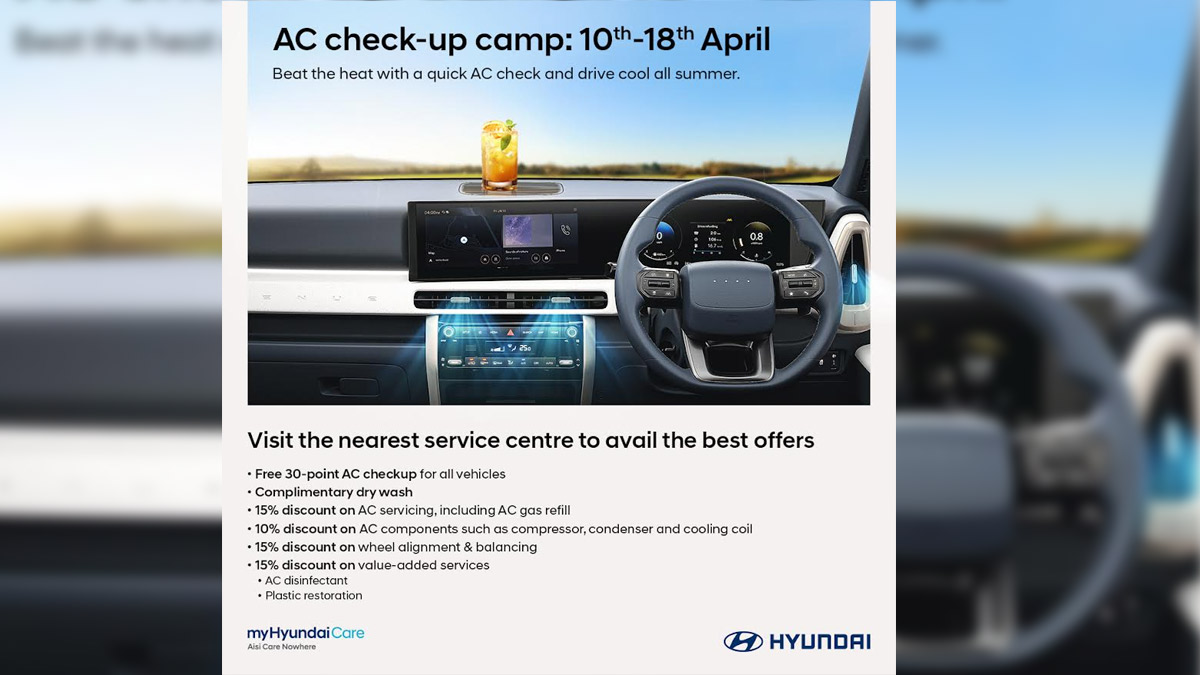
GURUGRAM: Hyundai Motor India Limited has announced a nationwide AC check-up camp, rolling out from April 10 to April 18, as temperatures climb and car cabins begin to feel the heat.
The initiative is designed to keep vehicles cool and customers comfortable, offering a mix of free inspections, discounted services and value-added benefits across Hyundai’s extensive service network in India.
As part of the limited-period campaign, customers can avail a complimentary 30-point vehicle check-up along with a free dry wash. The company is also offering a 15 per cent discount on AC servicing, including gas refills, and similar savings on wheel alignment and balancing. Key AC components such as compressors, condensers and cooling coils will be available at a 10 per cent discount, while value-added services like AC disinfectant treatments and plastic restoration also come with reduced pricing.
The camp will be hosted across authorised Hyundai workshops nationwide, allowing customers easy access to trained technicians, genuine parts and diagnostic support without the usual hassle.
Speaking on the initiative, Hyundai Motor India Limited national service head Nilesh Shah said, “At HMIL, customer satisfaction and convenience remain at the core of our service philosophy. With the onset of summer, we are pleased to introduce our nationwide AC check-up camp to ensure that our customers enjoy a comfortable and hassle-free driving experience. This initiative reflects our commitment to delivering proactive care and enhancing vehicle performance through our strong service network across India.”
With mercury levels on the rise, Hyundai’s timely service push aims to ensure drivers stay cool behind the wheel while also nudging them towards preventive maintenance, a small check today that could save a larger repair tomorrow.






