MAM
TV industry may lose Rs 500-600 cr due to demonetisation


MUMBAI: The government’s move to not accept Rs 500 and Rs 1000 currency notes as legal tender may affect the TV industry in a big way.
A recent media report has estimated that the Indian television industry is to suffer a loss of Rs 500 to Rs 600 crore in advertising revenue as fallout of PM Modi’s decision to demonetise close to 86 per cent of liquid cash in the economy.
This is because several advertisers are postponing their campaigns scheduled to air in November and December due to a slowdown in consumer spending, a media buyer informed livemint.com.

As Colors TV CEO Raj Nayak puts it, “There is disruption in off-take of consumer goods & FMCG (fast moving consumer goods) products.” According to a press statement shared by Nayak, the situation is also affecting new businesses as most advertisers are “clueless as to how the market will evolve and respond.”
Dentsu Aegis Network South Asia chairman and CEO Ashish Bhasin feels that the reason for the cut back on the marketing spends could be the impact on sales that the demonetisation has had on the FMCG products.
Typically, the October-December quarter is the most active quarter accounting for almost 30 to 40 percent of annual billing in terms of advertising spends. With how things are, that is unlikely to be the case this year, a worried Bhasin said.
ALSO READ: Demonetisation: Housing, online payment gung-ho; others find solace in India’s larger interest






Brands
Accor names Amit Malik VP people and culture for South Asia
Hospitality major taps HR veteran to drive talent and culture agenda
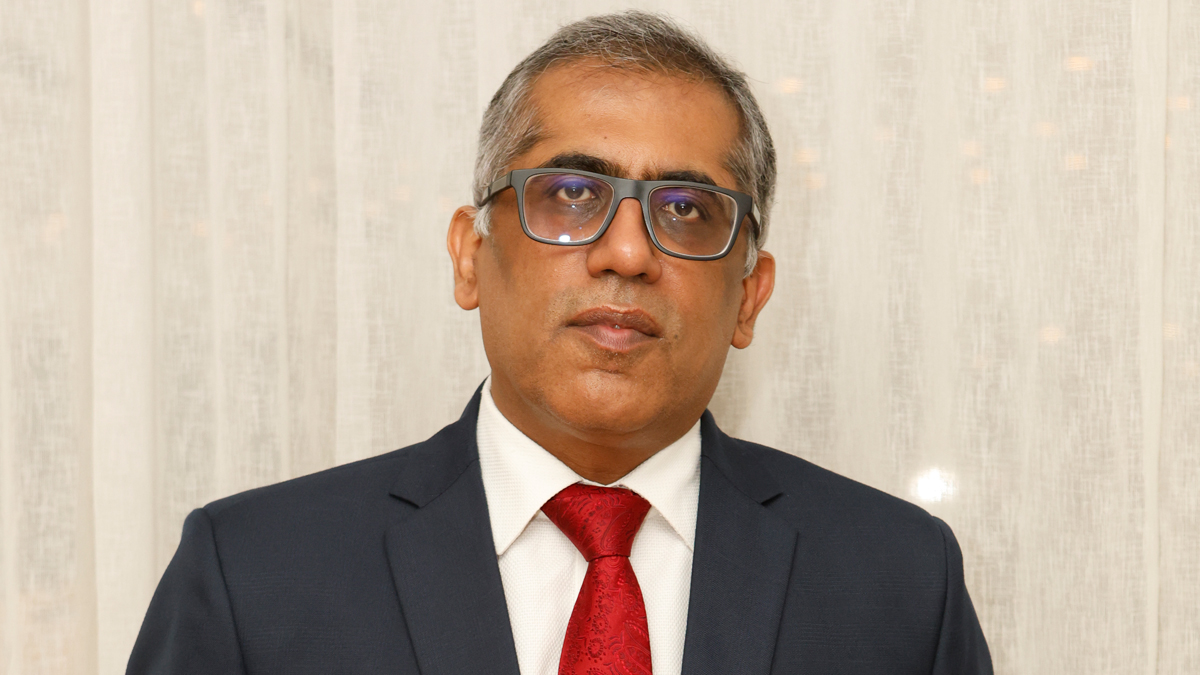
MUMBAI: Accor has appointed Amit Malik as vice president for people and culture in South Asia, strengthening its leadership bench as it scales operations across the region.
Malik will be part of the South Asia leadership team, overseeing the people, talent and culture agenda across India and neighbouring markets. His mandate includes building organisational capabilities, strengthening leadership pipelines and enhancing employee experience across Accor’s growing portfolio.
With more than two decades of experience, Malik brings a blend of human resources expertise and business leadership. His career spans multiple sectors and geographies, equipping him to support Accor’s evolving workforce needs in a dynamic hospitality market.
“We are pleased to welcome Amit to Accor,” said Accor chief executive officer, South Asia Ranju Alex. “His understanding of people strategy and strong business orientation will be instrumental in building a high-performance, purpose-led culture.”
Before joining Accor, Malik served as president for Japan, Asia Pacific and Australia at WadzPay. He also spent several years at Aviva Life Insurance India, where he held senior roles including chief people officer and later chief executive and managing director.
His earlier stints include leadership roles at Bank of America, Royal Bank of Scotland, American Express and GSK Consumer Healthcare, giving him a wide lens on organisational transformation and governance.
Accor’s latest leadership move reflects its focus on building a future-ready workforce as competition intensifies in the hospitality sector. With Malik at the helm of its people strategy, the company is betting on culture as a key driver of growth.






