MAM
TV industry may lose Rs 500-600 cr due to demonetisation

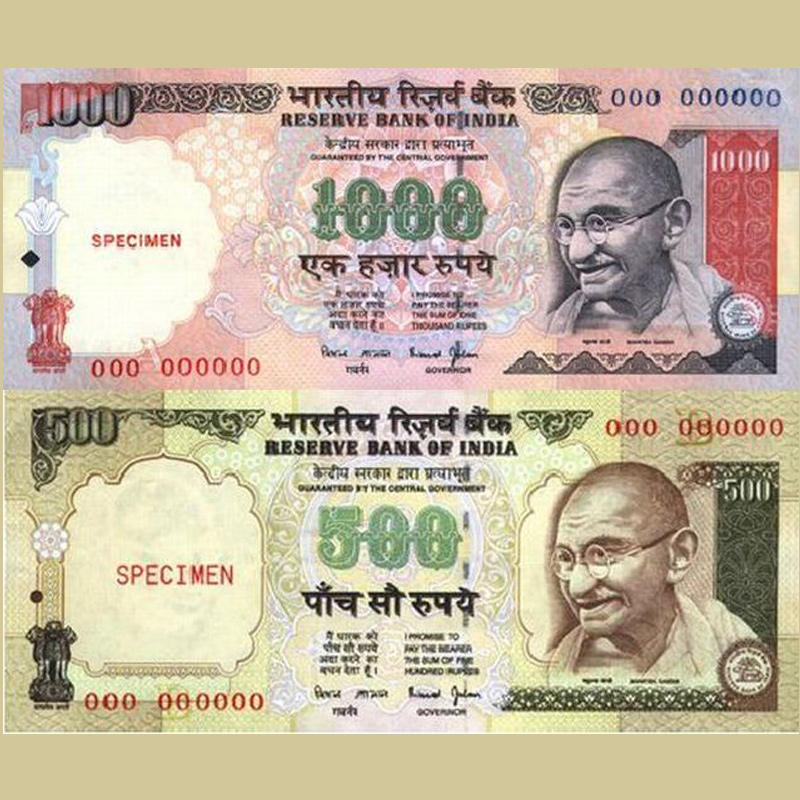
MUMBAI: The government’s move to not accept Rs 500 and Rs 1000 currency notes as legal tender may affect the TV industry in a big way.
A recent media report has estimated that the Indian television industry is to suffer a loss of Rs 500 to Rs 600 crore in advertising revenue as fallout of PM Modi’s decision to demonetise close to 86 per cent of liquid cash in the economy.
This is because several advertisers are postponing their campaigns scheduled to air in November and December due to a slowdown in consumer spending, a media buyer informed livemint.com.

As Colors TV CEO Raj Nayak puts it, “There is disruption in off-take of consumer goods & FMCG (fast moving consumer goods) products.” According to a press statement shared by Nayak, the situation is also affecting new businesses as most advertisers are “clueless as to how the market will evolve and respond.”
Dentsu Aegis Network South Asia chairman and CEO Ashish Bhasin feels that the reason for the cut back on the marketing spends could be the impact on sales that the demonetisation has had on the FMCG products.
Typically, the October-December quarter is the most active quarter accounting for almost 30 to 40 percent of annual billing in terms of advertising spends. With how things are, that is unlikely to be the case this year, a worried Bhasin said.
ALSO READ: Demonetisation: Housing, online payment gung-ho; others find solace in India’s larger interest






Brands
Jubilant FoodWorks faces Rs 47.5 crore GST demand, plans appeal
Tax authorities flag alleged misclassification of restaurant services
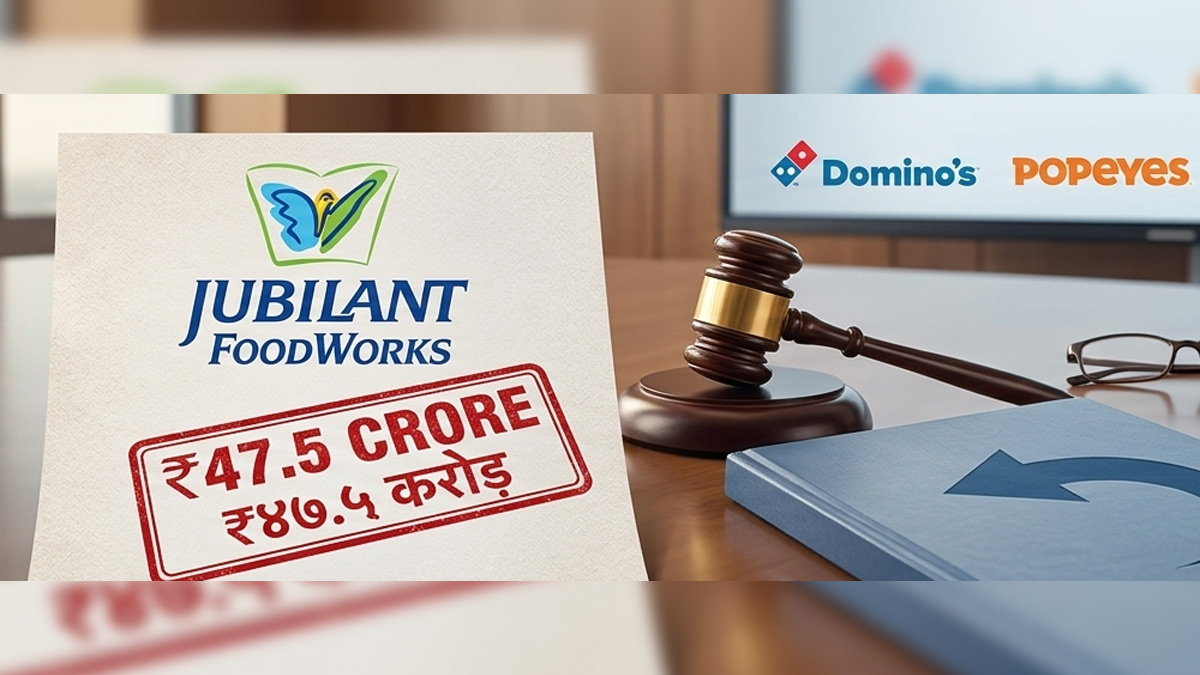
MUMBAI: Jubilant FoodWorks Limited has landed in a tax tussle after receiving a GST demand of Rs 47.5 crore from the office of the additional commissioner of CGST and central excise in Thane, Maharashtra.
The order, issued under the provisions of the Central Goods and Services Tax Act, 2017, relates to an alleged incorrect classification of certain services under the category of restaurant services. According to the tax authorities, this classification resulted in a short payment of goods and services tax for the period between the financial years 2019-20 and 2021-22.
The demand includes Rs 47.5 crore in GST along with an equal amount as penalty, in addition to applicable interest. The order was received by the company on March 13, 2026.
In a regulatory filing to the BSE Limited and the National Stock Exchange of India Limited, the company said it disagrees with the order and believes its arguments were not adequately considered.
The company is preparing to challenge the decision and plans to file an appeal. It added that once the redressal process is complete, the demand is likely to be dropped.
Despite the sizeable figure attached to the notice, the company said it does not expect any material impact on its financials, operations or other activities.
The disclosure was signed by Suman Hegde, EVP and chief financial officer, who confirmed that the company received the order at 19:06 IST on March 13 and has already initiated steps to contest it.
The development places the quick service restaurant major in the middle of a tax debate that could hinge on how certain restaurant-linked services are classified under GST rules. For now, the company appears ready to take the matter from the tax office to the appeals desk.







