MAM
TV ad rev reaches record high of ?4.36 bn in 2011 in UK


MUMBAI:Total TV ad revenue in the UK increased by 2.2 per cent last year to reach a new record high of ?4.36 billion, according to full year revenue figures provided to Thinkbox by the UK commercial TV broadcasters.
TV advertising is expected to have outperformed the total UK advertising market in 2011, which is believed to have grown by approximately 1.5 per cent. This means that linear TV’s share of total advertising will have increased for the fourth consecutive year. The TV revenue figures represent revenue for linear TV spot advertising and sponsorship.
Thinkbox CEO Tess Alps said, “This is an encouraging performance by commercial TV, especially as it follows the market-leading 16% revenue growth seen in 2010 and was achieved during uncertain economic times. The strength of linear TV advertising investment reflects commercial TV’s record viewing and the further acknowledgement by advertisers of the evidence of its unrivalled ability to create business profit. And it’s worth noting that, in addition to these revenues, TV is also driving one of the fastest growing parts of online advertising through TVOD.”

New advertisers: There were 887 new or returning TV advertisers in 2011 (i.e. first use of TV or no TV advertising for at least 5 years). These included Google, Avios, Majestic Wine, and Unum. Together, new and returning advertisers accounted for 2.6% of total TV ad revenues, according to Nielsen Media Research data.
Top spending categories: Retail remained the top spending TV advertising category in 2011, according to Nielsen Media Research, increasing its investment by two per cent on 2010. This was followed by Entertainment and Leisure, which increased spend by one per cent and Finance, which increased spend by two per cent. There were significant increases in TV ad spend in Telecoms (up 28.8 per cent), Travel and Transport (up 27 per cent), and in comparison websites (up 21.5 per cent).
Record TV viewing: TV viewing figures in the UK for 2011 equaled the record high set in 2010. The average viewer watched 4 hours, 2 minutes of linear TV a day in 2011 (28 hours, 14 minutes a week), according to figures from the Broadcasters’ Audience Research Board (Barb).
Commercial TV channels (i.e. non-BBC channels) were responsible for maintaining the record viewing level, accounting for 64 per cent of all linear TV viewing, an increase of 1.3 per cent points on 2010.
Record ad viewing: The increase in commercial TV viewing also meant an increase in the number of TV ads viewed. Commercial impacts (the number of ads watched at normal speed) during 2011 were up 2.6 per cent on 2010, and have grown by 19.6 per cent over the last five years to a new record high. The average viewer watched 47 ads a day during 2011.
This strong performance underlines viewers’ preference for watching TV as it is broadcast and on a TV set whenever possible. The many new ways to watch TV via other screens such as laptops, tablets and smartphones are growing, and a welcome solution to out of home viewing, but they are not included in Barb‘s figures and are not impacting on linear viewing.


Brands
KPMG names Gary Wingrove as global chairman and CEO from October
Record Gmada bids signal rising demand as Rs 1,000 crore bet reshapes Tricity skyline
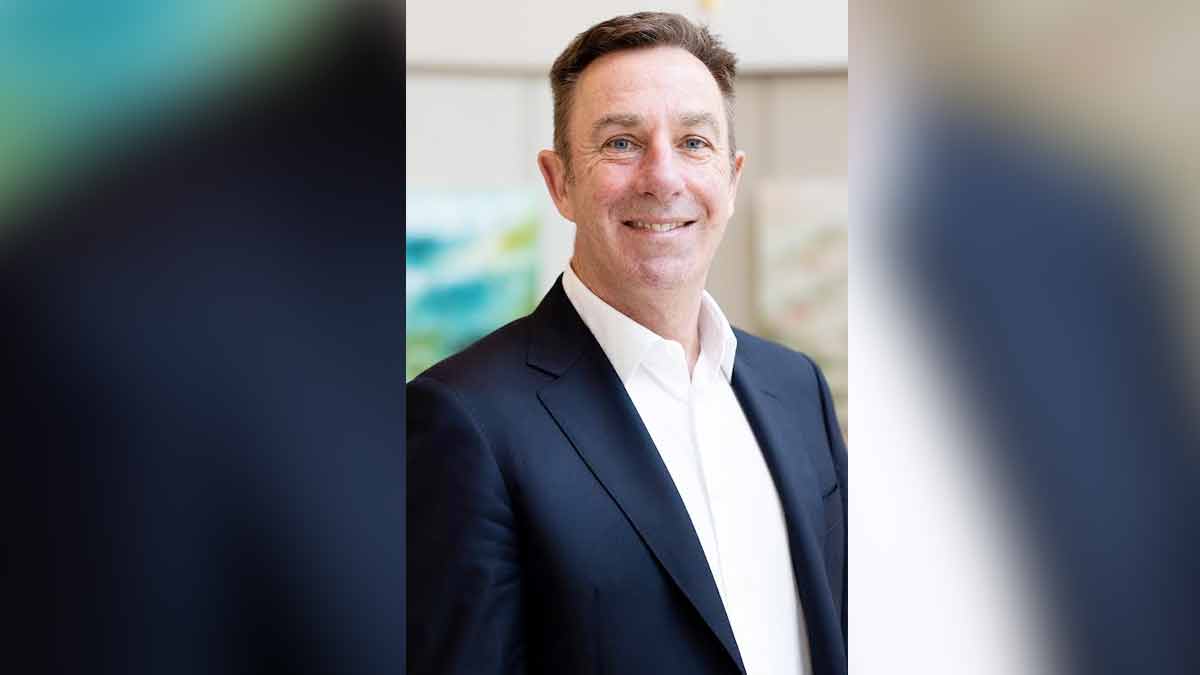
MUMBAI: KPMG has chosen continuity with a forward tilt. The firm has announced that Gary Wingrove will take over as global chairman and CEO of KPMG International, beginning a four year term from 1 October 2026. Currently serving as global chief operating officer, Wingrove steps into the top role after being nominated by the global board and elected by the global council.
A KPMG veteran with over 25 years at the firm, Wingrove has been closely involved in shaping its recent trajectory. As global COO, he has helped drive the firm’s Collective Strategy, focusing on operational integration, global investments and the steady expansion of the KPMG Delivery Network. He has also been at the forefront of KPMG’s digital push, including the rollout of AI enabled solutions across its global operations.
Before his global role, Wingrove served as CEO of KPMG Australia for nearly a decade, where he led a period of strong growth, almost doubling revenue, profitability and headcount while steering a cultural reset.
He succeeds Bill Thomas, who has led KPMG since 2017 and will work alongside Wingrove over the next six months to ensure a smooth transition.
Thomas leaves behind a firm that looks markedly different from when he took charge. Under his leadership, KPMG’s global revenues have risen by 55 per cent, and its workforce has expanded to more than 276,000 people. He also unified the network of member firms under the Collective Strategy, aligning priorities and strengthening governance.
His tenure saw heavy investment in technology and partnerships, with alliances spanning Microsoft, Google Cloud, SAP, Oracle and ServiceNow. These collaborations, along with platforms like KPMG Clara, have helped the firm scale its AI-led offerings and sharpen its competitive edge.
Beyond growth, Thomas also pushed improvements in audit quality and sustainability. Initiatives such as a multiyear global sustainability strategy and the Our Impact Plan have aimed to embed long term thinking into the firm’s operations and client services.
For Wingrove, the brief is clear but evolving. He has signalled a focus on agility, deep expertise and technology driven solutions as clients navigate an increasingly complex business landscape. He also emphasised KPMG’s identity as a people first organisation, supported by technology and unified through its global network.
The timing of the leadership change comes as KPMG continues to grow, reporting a 5.1 per cent rise in global revenue in FY25, with gains across tax and legal, audit and advisory services. Growth was recorded across all regions, despite a challenging macro environment.
As Wingrove prepares to take charge, the firm appears set on a familiar path with a sharper digital edge. Same playbook, perhaps, but with a renewed focus on speed, scale and smarter solutions.