MAM
Treebo appoints Nishant Gupta as head of brand & marketing

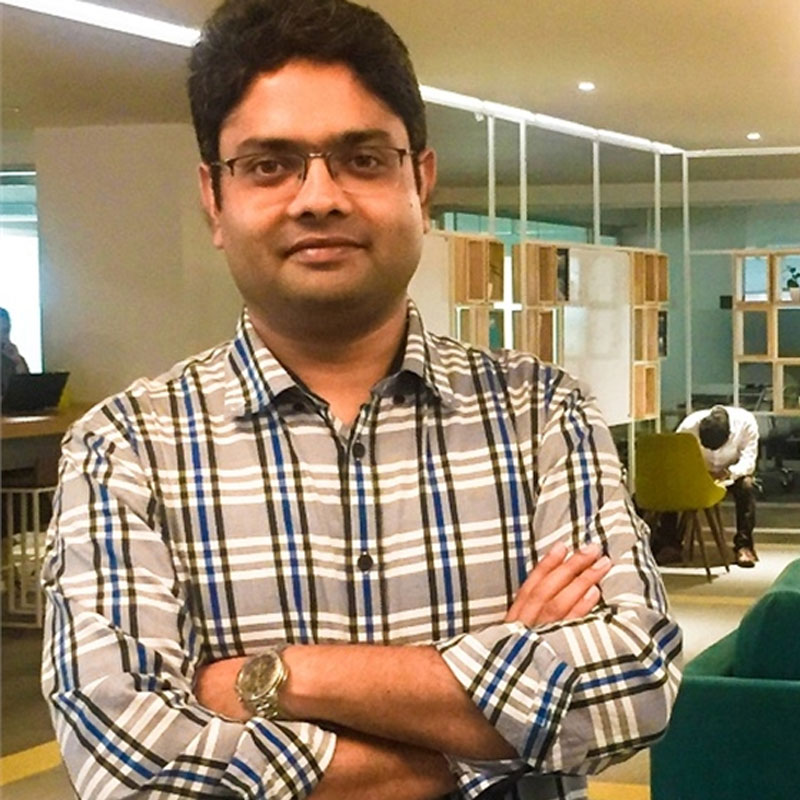
MUMBAI: Treebo Hotels, a budget hotel chain, has appointed Nishant Gupta as the head of brand and marketing. It has an inventory of 10,000 rooms and 400 hotels in over 85 cities.
Gupta is a marketing professional with over 10 years of experience in brand and category building. At Treebo, he will spearhead the strategic initiatives to establish the startup as India’s most loved travel brand.
Prior to joining Treebo, Gupta worked at Marico as the group product head for the male grooming category. In this role, he was responsible for managing the P&L of the product portfolio for this category by developing compelling brand campaigns as well developing a strong innovation pipeline. His brand building efforts helped achieve remarkable success for the company for brands like Parachute, Set Wet, and Nihar, many of which saw double digit growth year on year.

Treebo Hotels co-founder Sidharth Gupta says, “Nishant’s expertise in building similar industry-leading consumer brands will help us in this mission. We are excited to onboard him into the leadership team. There are several brand related initiatives in the pipeline which he will be now leading for us. He will also shape the upcoming legs of the marketing campaign that we launched last year.”
Gupta adds, “Treebo has crafted a unique identity in the budget hotel space in a very short span of time. The brand has an unmatched appeal and respect in the market. I am really excited about this opportunity and to be a part of a rewarding journey to build Treebo as the most loved hospitality brand in the country. While this category is cluttered and highly competitive, I believe that our brand building initiatives will keep us ahead in the game and top of mind for customers.”
Founded in 2015, Treebo Hotels offers high-quality travel experience to its customers by providing comfortable and value-for-money accommodation options.
Treebo works on a franchise model with carefully selected, existing, standalone hotels. Treebo aims at enriching lives of every traveller by delivering a delightful experience.



MAM
Three senior OpenAI infrastructure executives join Meta
Key members of Stargate project move to rival amid aggressive AI spending race.

MUMBAI: Three key architects of OpenAI’s ambitious data centre plans have switched sides and joined Meta Platforms, according to people familiar with the matter. Peter Hoeschele, who played a central role in OpenAI’s high-profile Stargate initiative, is among the new hires. He is joined by Shamez Hemani, who focused on computing strategy and business development, and Anuj Saharan, another leader in the computing organisation. The Information first reported their departure from OpenAI on Thursday.
The moves come as Meta CEO Mark Zuckerberg has pledged to spend aggressively on AI infrastructure. The company is projecting capital expenditure of up to $135 billion this year alone, with hundreds of billions more expected before the end of the decade to support its Meta Superintelligence Labs and new models such as Muse Spark.
OpenAI, which is pushing ahead with massive data centre expansion, had described its early lead in securing computing power as a competitive advantage. Stargate, originally announced last year as a $500 billion venture involving OpenAI, Oracle, and SoftBank, has since become an umbrella term for the company’s broader data centre ambitions. However, the project has seen recent adjustments, including a pause on its UK plans and the decision not to expand the Abilene, Texas site.
A spokesperson for Meta declined to comment, while Hoeschele, Hemani, and Saharan also declined to comment. OpenAI said it was grateful for the contributions of the three employees and remains focused on hiring talent for its infrastructure plans. The company recently brought in former Intel executive Sachin Katti to lead its industrial compute efforts.
In the high-stakes race to build the future of artificial intelligence, talent is proving to be as valuable as computing power itself. Meta’s latest hires suggest the competition for top infrastructure minds is intensifying, even as OpenAI continues to scale its own ambitious projects. The move highlights how quickly the AI talent war is heating up across Silicon Valley.







