MAM
Transform ad personalisation with dynamic product ads


Mumbai: Personalisation is the primary contributor of engagement and conversions. Thus, consumers expect very relevant and real-time personal experiences when it comes to shopping online. This is exactly what dynamic product ads deliver. Dynamic product ads enable advertisers automatically to target individual users with highly personalised ads relative to their behavior, preferences, and browsing history.
Dynamic product ads, apart from increasing relevance, help the brand achieve higher ROAS by showing the right product to the right customer at the right time. Let us delve deep into understanding how dynamic product ads are transforming ad personalization and why it has to form an integral part of your marketing strategy with a special focus on the Indian market.
Dynamic product ads 101

Dynamic Product Ads are a form of retargeting advertising, wherein businesses show users products that they have interacted with on their website or app, or even their social media pages. In DPAs, real-time automatic adjustments allow showcasing products to a user based on their browsing behavior and preferences, often even abandoned carts. While a static ad shows a one-size-fits-all type experience, DPAs provide a different experience for each user.
For example, consider an online retailer site where a consumer browsed through a pair of sneakers but did not buy it. Now, DPAs can display the exact same sneakers-or other relevant products-to the shopper on Facebook, Instagram, or Google. That brings into the shopper’s consciousness what they wanted to buy and encourages him or her to buy.
Consumers want brands to personalize their offerings to their individuality today. From research conducted by Epsilon, 80 per cent of consumers are likely to make a purchase if brands offer more personal experiences. DPAs take this to the extreme as they employ algorithms based on machine learning to show the most relevant product to the appropriate person.
Here are some reasons why DPAs have emerged as unique ad personalization strategies:
1. Real-time personalisation – Dynamic product ads operates on real-time data. That is, the most recent activities of a user, whether they clicked on a product, viewed an item multiple times, or abandoned a shopping cart, are all transformed in real time to serve the user the most relevant ads at the right moment.
2. Cross-platform reach – A significant advantage of DPAs is that they follow how users behave in different channels and devices. Whether the user surfs on mobile, tablet, or a computer, DPAs will ensure that the personalized product recommendations will pop up wherever the user might go; this enhances the probability of conversions.
3. Higher conversion rates – DPAs tend to have a higher conversion rate than traditional ads. These ads are targeted based on exact action taken by a user, which may mean that they speak better to an audience than your traditional ad and, therefore, more engagement and, consequently, sales. As shown in a Criteo report, a site using DPAs will experience an average 22 per cent lift in conversion rates.
Dynamic product ads in the Indian market
The rise in e-commerce in India has increased demand for personalized ad experiences. According to Statista, the Indian e-commerce market is expected to cross $200 billion by 2026, largely due to increased internet and smartphone penetration among Indians. Dynamic Product Ads have emerged as the favorite among Indian businesses looking to upgrade their ad personalization strategy. All those big platforms such as Facebook, Instagram, and Google have made DPAs accessible to marketers in India, which has allowed them to cash in on the growing e-commerce ecosystem across this nation.
a. Growing Popularity of DPA
Indian companies-Flipkart, Amazon India, and Myntra-have maintained their high customer engagement on Dynamic Product Ads. A case study by Facebook found that Myntra could increase ROAS up to 20% after Myntra activated Dynamic Product Ads for retargeting. This showed a very great performance from DPAs on Indian companies.
b. Impact of Mobile Shopping
Mobile commerce is picking up very fast and is highly emerging in India. One report by Deloitte says 85 percent of online shoppers prefer mobile for making a purchase. Since DPAs are cross-device compatible, hence it reaches the user effectively, and a smart-mobile savvy user is exactly an effective audience for DPAs to engage with.
There is also an upward trajectory in the social commerce market of India, and most product discovery happens on platforms such as Instagram and WhatsApp. Brands can amplify reach with such platforms by showing DPAs directly within social feeds.
How to build a successful DPA strategy?
To make the most out of dynamic product ads, brands need to place an emphasis on a few key elements like the following:
1. Quality product feed – The best practice DPA campaign begins with an optimally tweaked product feed which includes the relevant product details such as images, descriptions, prices, and availability. Product feeds should be accurate and fresh to avoid promotion of incorrect or out-of-stock items.
2. Effective retargeting – The efficacy of DPAs relies on the advertiser’s retargeting capabilities. Businesses can actually segment users by behavior. It allows segregation of cart abandoners, product view, or recent purchasers. Based on this, brands can refine their DPA campaigns for the steps that they are taking in the customer journey.This makes it possible to deliver relevant ads to the user and increase the probability of conversions.
3. Creative and compelling visuals – It is equally important, however, to pay attention to the ad creatives. The quality of product images and compelling copy can make a lot of difference in grabbing the attention of potential customers.
4. Measuring and optimising campaigns – Akin to any other type of digital campaign, measuring and optimizing DPA’s performance is crucial. Some key metrics to be followed include click-through rates, conversion rates, and ROAS. Regular analysis of these metrics in the campaign will help an advertiser make the necessary tweaks to improve his campaign.
What does the future hold?
Advancements in AI and machine learning promise a bright future for DPAs. With the adtech evolution, we can expect better refinements in personalization, thereby making ads smarter enough to predict the behavior of the users. Personalized video ads, augmented reality, and voice commerce are also going to become prominent trends that would augment the abilities of DPAs.




Brands
Jubilant Foodworks to end Dunkin’ franchise in India
Pizza chain operator will not renew agreement when it expires at end of 2026.
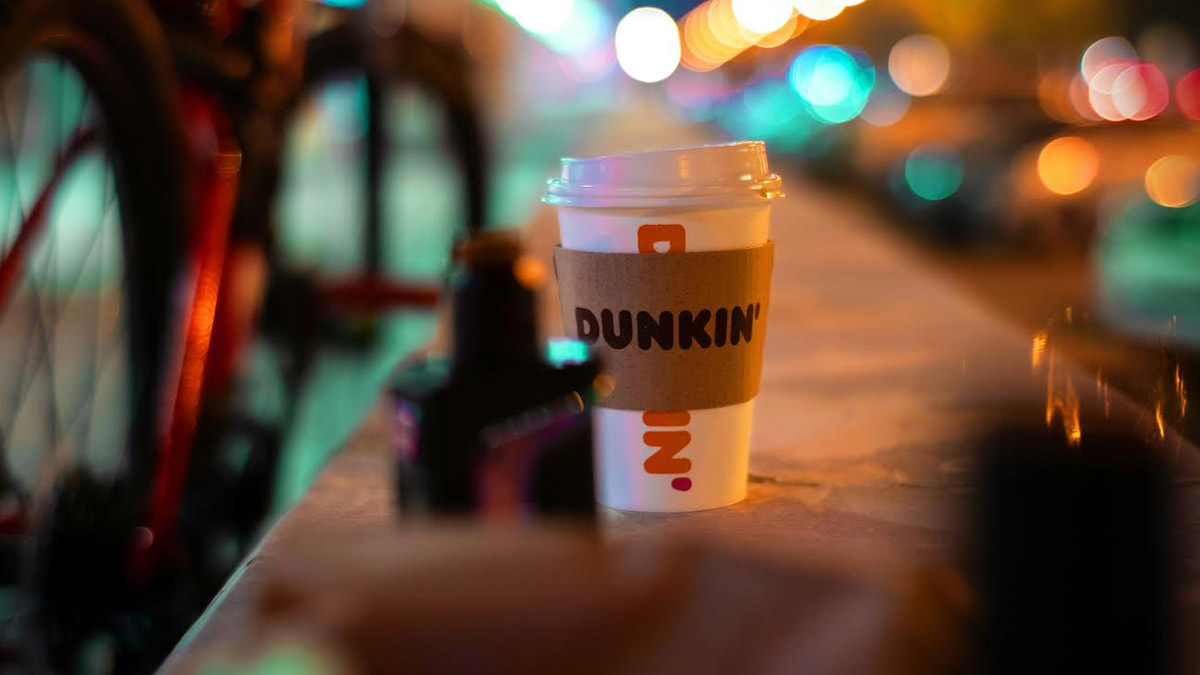
MUMBAI: When the doughnuts stop turning and the coffee goes cold, even a global giant like Dunkin’ can find the Indian market a tough brew to crack. Jubilant Foodworks has decided not to renew its franchise agreement with Dunkin’ when the pact expires on 31 December 2026, according to a Reuters report. The operator, best known for running Domino’s outlets in India, said it would evaluate options for its existing Dunkin’ stores, including a potential sale or transfer of franchise rights, in consultation with the US-based brand.
The decision follows years of underperformance in a market where local tastes and intense competition have made it difficult for international coffee-and-doughnut formats to gain traction. Jubilant, which has increasingly focused on its core pizza business and newer bets like Popeyes, indicated that the exit would not materially affect its financial or operational position.
Dunkin’ accounted for just 0.61 per cent of Jubilant’s revenue in the fiscal year ending 2025 and recorded a loss of approximately Rs 191 million, according to a regulatory filing. The company operated 27 outlets as of December 2025, having shuttered seven stores over the preceding year.
The retreat comes even as Jubilant’s broader business shows signs of momentum. The company reported a 65 per cent rise in quarterly profit for the October to December period, reaching Rs 70.9 crore, up from Rs 42.91 crore a year earlier.
For Jubilant, the exit reflects a sharpening strategic focus. For Dunkin’, it marks another setback in a market that has proven resistant to imported café concepts without significant localisation.
In the cut-throat world of Indian quick-service restaurants, sometimes the sweetest deals are the ones you quietly walk away from leaving more room for the brands that truly rise to the occasion.