MAM
Transbnk taps Amar Bhartia to drive global product vision

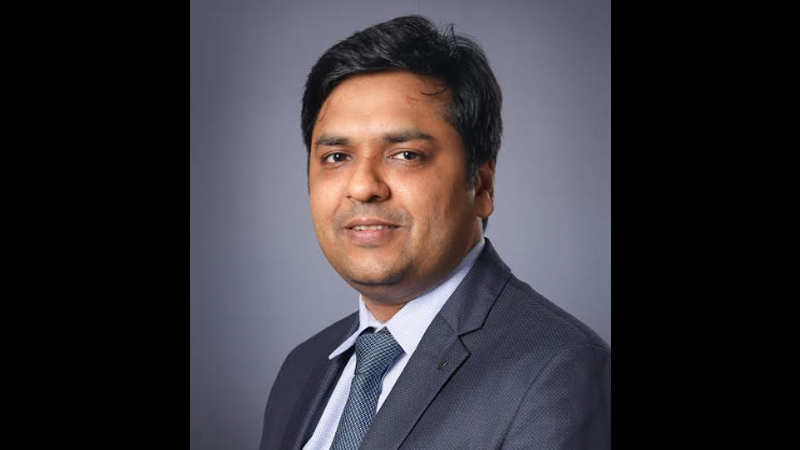
MUMBAI: Transbnk is cashing in on global experience to turbocharge its product game. The next-gen transaction banking platform has appointed Amar Bhartia as global product head, marking a strategic move as it gears up for international expansion.
A Deutsche Bank veteran, Amar brings over a decade of expertise in cash management, treasury solutions and fintech partnerships. At Deutsche Bank, he played a key role in rolling out Payment Acceptance across the APAC region, working with regulators, payment aggregators and fintech innovators.
“I’m excited to join Transbnk at such an exciting phase in its journey,” said the newly minted global product head Amar Bhartia. “The intersection of banking, fintech and digital infrastructure offers a rare chance to reimagine how institutions transact globally. I look forward to shaping world-class products and delivering real value for clients.”

Co-founder and CEO Vaibhav Tambe, welcomed the appointment, calling it a timely boost for Transbnk’s global ambitions. “Amar’s proven ability to scale banking-grade platforms will be vital as we expand our reach. With our recent Series B raise and Amar’s leadership, we’re powering ahead towards building a unified transaction-banking operating system for banks and enterprises,” he said.
The appointment follows Transbnk’s successful 25 million dollars Series B funding round led by Bessemer Venture Partners. The fresh capital will help strengthen its tech and product teams while driving expansion into Southeast Asia and the Middle East.
With Amar at the helm of product strategy, Transbnk seems ready to turn its global growth plans into a blockbuster sequel, one transaction at a time.






MAM
Ameya Velankar steps down as Uber’s head of marketing for India & South Asia
Veteran marketer exits after more than seven years with the ride-hailing giant.
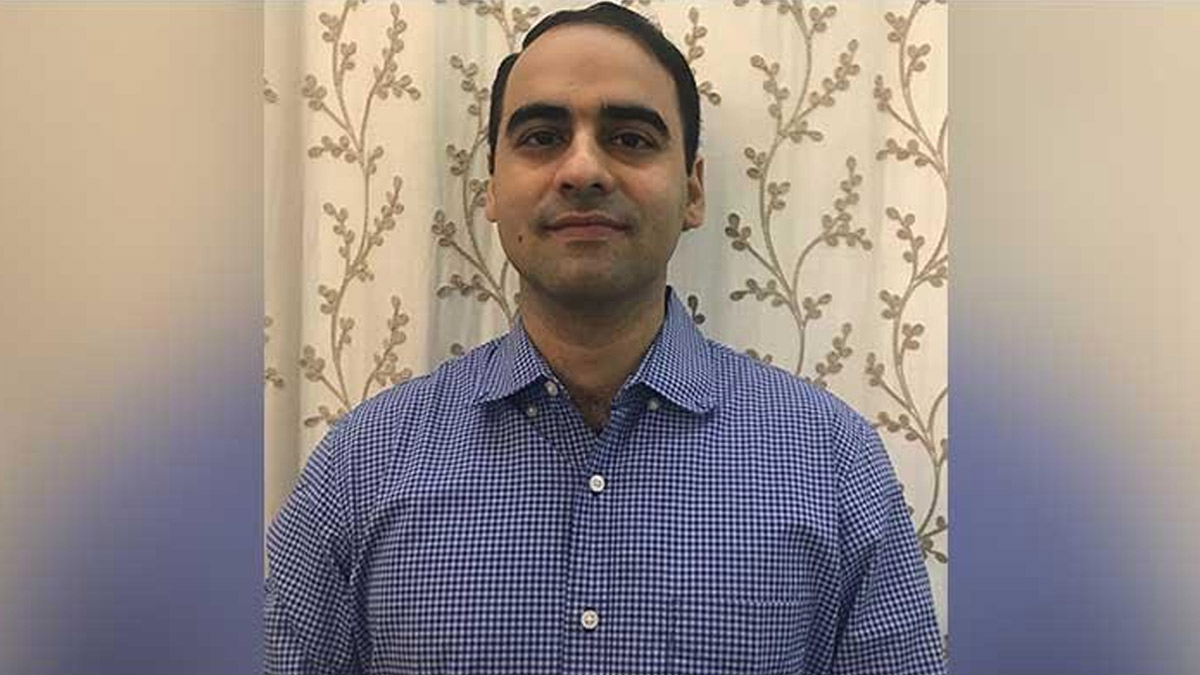
MUMBAI: After more than seven years of steering Uber through the bumpy roads of India’s mobility market, Ameya Velankar has decided to change lanes. Ameya Velankar has stepped down as Head of Marketing for India and South Asia, marking the end of a significant chapter at the ride-hailing company. He had been with Uber since 2019, taking on multiple roles in product and category marketing before rising to lead the marketing function for the region in 2021.
During his tenure, Velankar played a key role in strengthening Uber’s positioning in one of its most competitive and dynamic markets. He helped drive localised marketing strategies and scale adoption across key offerings such as Auto, Moto, Rentals and Intercity, tailoring global platforms to Indian consumer needs.
Prior to joining Uber, Velankar built his marketing expertise at leading consumer companies including SC Johnson and Marico, where he handled category and product leadership roles. His career began at RPG Enterprises.
Details of his next professional move have not been disclosed.
In a fast-evolving mobility landscape where brands constantly battle for attention, Ameya Velankar helped Uber stay relevant and resonant with millions of Indian users. As he moves on from the driver’s seat of marketing, the company will now look for fresh ideas to keep its wheels turning smoothly.






