MAM
TRAI presents its ad cap arguments

MUMBAI: After nearly a week long argument from the News Broadcasters Association (NBA) and music channels – B4U, 9XM, Mastiii and M Tunes — it was time for regional players and the big daddy – the Telecom Regulatory Authority of India (TRAI) to present their side of the story on the ad cap.
Among those who presented their case today were Polimer Media and south India biggie Sun TV. The channels brought to the fore a point from February 2011 when TRAI had confirmed that “there should not be any regulation at present on advertisement on both FTA and Pay channels.”
It had taken this position in Petition No. 34(C) of 2011 in the TDSAT filed by a society called Utsarg against TRAI and several other broadcasters and content aggregators seeking a cap on television advertising time on the ground that these advertisements interfered with viewership of television programmes. The channels questioned the reversal in TRAI’s stance today.

Now, it was the turn of the TRAI to send its lawyer to make its deposition. TRAI argued that it was right in taking recourse to both the Acts – the Cable Networks Regulation Act 1995 as well as The Indian Telegraph Act 1885 and the TRAI Act – and it was empowered under both as broadcasters are licensees under the latter. To this, the bench comprising of Justice Aftab Alam and member Kuldip Singh said that if it already has the authority under the Cable TV Act then it should not have acted on the TRAI Act.
However, TRAI argued that the Cable TV Act is applicable only to cable operators and the bench in turn responded that a broadcaster does not come under it then. TRAI claimed that they were merely interpreting section 7 (11) of the Cable TV Act of 1995 which says that the authority has the power to ‘seize equipment used for operating the cable television network’ if it is found to be breaching its other sections.
On the laying of the ad cap regulation in Parliament, TRAI’s counsel said that it had submitted it to the relevant ministry. To this, the bench responded that the law decrees that it would become applicable only after it is accepted or rejected or modified in the house. All the actions TRAI takes won’t apply with retrospective effect. Hence if TRAI prosecutes a broadcaster before laying in parliament would not that be a violation of fundamental rights was the question? The argument was then that in such a situation it is beyond the jurisdiction of the TDSAT and comes under the ambit of the Supreme Court.
One of the points raised by the petitioner channels was the possible misuse of the 12 minute ad cap regulation. It said that a broadcaster could have uneven advertising slots such as one minute of advertisement in the first 30 minutes while the next half an hour could have 11 minutes. Similarly the concept of clock hour too had its flaws. Hypothetically, a broadcaster could air 11 minutes of ads from7:49 pm to 8 pm and then another 11 minutes of commercials between 8:00 pm to 8:11 pm. That would mean TV viewers would be subjected to 22 minutes of commercials in an hour of television time, thus putting paid to TRAI’s mandate to maintain quality of service. To this, the TRAI claimed that all laws can be misused but then it doesn’t stop them from being made.
TRAI will continue its arguments tomorrow.






MAM
Beacon Group appoints Dr Rajesh Patel as Group CEO
36-year healthcare veteran to lead Beacon Diagnostics, Vector Biotek, Biogeny.
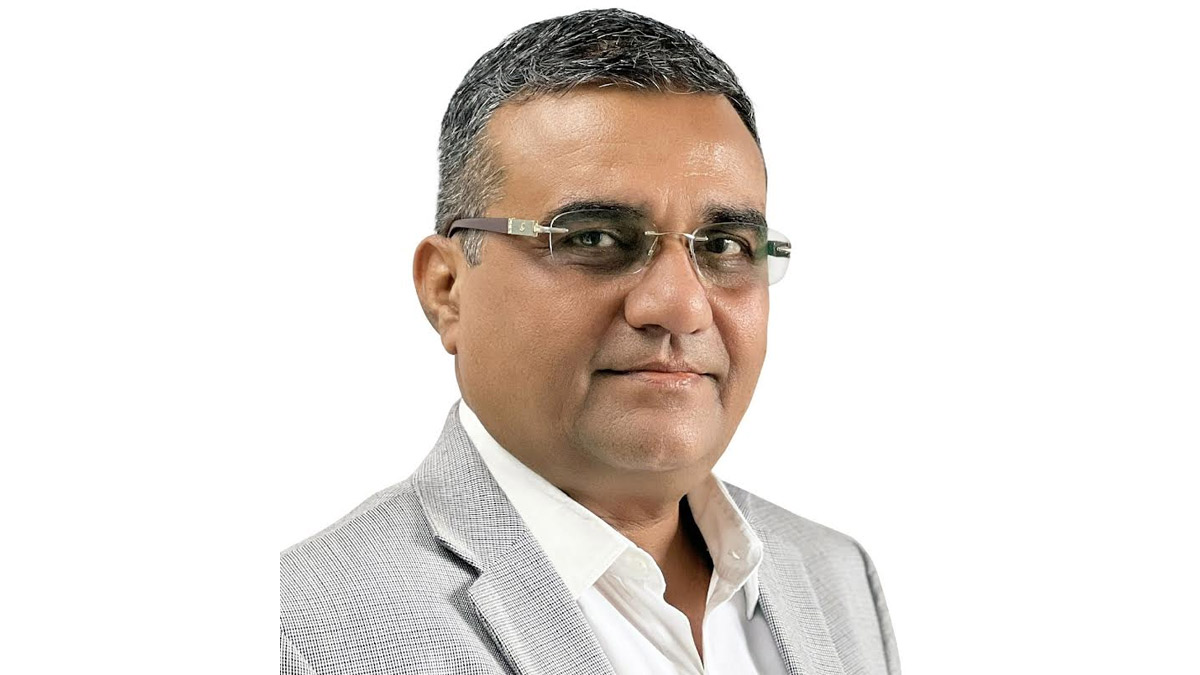
MUMBAI: A new chief, a fresh diagnosis and a sharper prescription for growth. Beacon Group has appointed Dr Rajesh Patel as its Group Chief Executive Officer, effective April 1, 2026, signalling a decisive push to scale its presence in the diagnostics and IVD space. Patel steps into the role with 36 years of experience across the healthcare and diagnostics industry, bringing a career shaped by leadership roles spanning sales, marketing, business development and operational strategy. His mandate is both expansive and precise: to steer the group’s overall strategic direction while tightening coordination across its three core entities Beacon Diagnostics, Vector Biotek and Biogeny Diagnostics.
In practical terms, that means driving cross-company synergies, accelerating market expansion and strengthening organisational capability areas increasingly critical as diagnostic players compete for scale in a fragmented yet rapidly evolving healthcare ecosystem. The group is positioning itself to capture unmet demand across chain laboratories, key accounts and standalone labs, segments that remain underserved despite growing diagnostic needs.
The appointment comes at a time when the In Vitro Diagnostics (IVD) sector in India is entering a more competitive and innovation-led phase, with companies focusing not just on product pipelines but also on service delivery, integration and customer-centric models. Beacon’s leadership appears to be betting that Patel’s execution-focused approach can help translate ambition into operational momentum.
Welcoming the appointment, Chairman Dr D K Joshi described Patel’s induction as a strategic move aligned with the group’s long-term vision, emphasising the role of leadership depth in navigating the next phase of growth.
For Beacon Group, the message is clear, in a sector where precision matters, leadership is the new differentiator—and this appointment is intended to set the tone for what comes next.






