MAM
Times’ Vineet Sodhani joins Spatial Access as CEO


MUMBAI: Spatial Access, a media audit company, has a new leader at the helm; Vineet Sodhani has taken over as the CEO.
Spatial Access co-founder and chairperson Meenakshi Menon is excited about the transformation that is under way. She says: “As media moves into a new era of complexity, Spatial Access, under the new leadership, will simplify it for its clients with custom solutions, many of which will be first time in the industry. With Vineet (Sodhani)’s strong background in research and strategy, we will provide valuable insights, a lot of it in the public domain, so that the industry gets more value.”
Sodhani has two decades’ experience in media strategy, sales and marketing in India and the US. In the past, he has worked for Times Television Network, Starcom Mediavest Group, Hansa Research Group, AC Nielsen and ORG-MARG. In 2012, he co-authored Guide to Indian Markets and is presently working on his second book.

Sodhani says: “Spatial Access has that rare combination of a great customer and knowledge base. This strength will be used to drive value for every rupee spent on advertising, be it ATL, BTL or digital. We will raise some critical questions, for example, transparency, ROI and wastage.”





MAM
Boost Milkshake launches ‘The New Secret of Mahi Energy’ campaign with MS Dhoni
VML India crafts energetic tribute linking cricketing icon’s legacy to Gen Z fans.
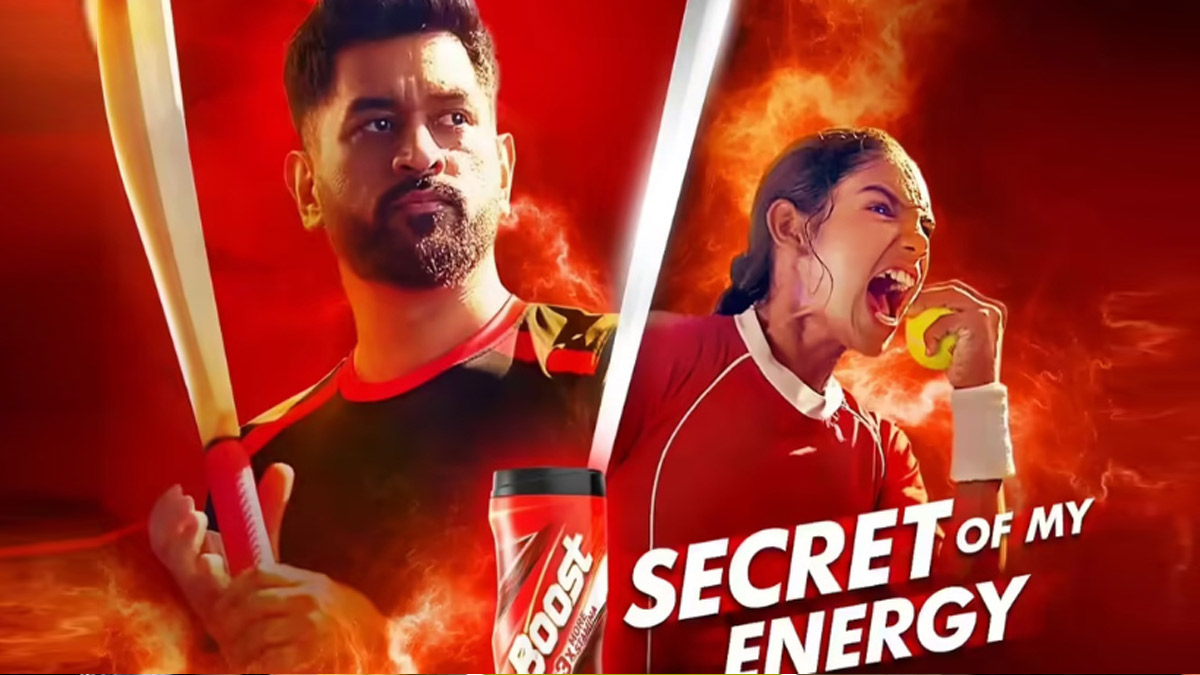
MUMBAI: Boost Milkshake has found a fresh way to charge up its brand by plugging straight into the unbeatable energy of Mahendra Singh Dhoni and his millions of passionate fans. VML India has created an electrifying new campaign for Boost Milkshake titled ‘The New Secret of Mahi Energy’. The multi-channel, social-first campaign celebrates Dhoni’s enduring legacy of excellence, resilience, and drive, while cleverly positioning the ready-to-drink milkshake as the secret fuel behind “Thala’s” iconic Number 7 energy.
Designed specifically for Gen Z’s digital habits and love for authentic, shareable experiences, the month-long campaign blends cultural insight with high-impact creative execution. It features captivating out-of-home activations in Mumbai, Chennai and Guwahati, along with strong social-first initiatives amplified by authentic Dhoni fan pages and influencers, including superfan Saravanan Hari.
VML India managing partner for North Jaibeer Ahmad said, “Boost has always stood for the energy that fuels belief. Today, energy is not just physical, it’s emotional, collective, and contagious. Boost Milkshake taps into this new-age energy, fuelling the passion of a billion fans who power every moment of greatness.”
VML India, senior VP and executive creative directors Nakul Sharma and Tirtha Ghosh added, “MS Dhoni isn’t just a player in India, he’s a phenomenon. We turned fandom from a passive emotion into an active source of energy. The same energy that powers Mahi also lives within his fans.”
Hindustan Unilever Limited (HUL) head of brand building for lifestyle nutrition Shailee Chatrath Tyagi noted, “Boost is the OG of cricket culture. With the national launch of Boost Milkshake in ready-to-drink format, ‘The New Secret of Mahi Energy’ is a befitting tribute to the eternal equation of Mahi and his million fans.”
Timed perfectly with the ongoing IPL season, the campaign reinforces Boost Milkshake’s connection with a new generation while celebrating Dhoni’s legendary status as he once again dons the iconic Number 7 jersey.
In a country where cricket runs on emotion as much as skill, Boost has smartly shifted the narrative, the real secret of Mahi’s energy isn’t just inside the champion, it’s also inside the millions of fans cheering him on. And now, there’s a tasty milkshake to power that collective belief.






