MAM
Time Warner is world’s top media owner: Zenithoptimedia

MUMBAI: Time Warner occupies the top spot in Zenithoptimedia’s ranking of the leading 30 global media owners.
Time Warner generates US$30 billion which is 13 per cent out of the total $215 billion that the top 30 global media owners earn in media revenue
The US has by far the most media owners in the ranking, followed by – in descending order – Japan, France and the UK, Germany, Italy and Mexico.
Two new-media companies – Google and Yahoo – are in the top 30. ZenithOptimedia’s ranking of the world’s biggest media owners is based on their revenues from activities that support advertising.

Some companies on the list are entirely media-focussed; others are corporate giants for which media forms only a small part of their overall turnover. ZenithOptimedia’s ranking strips out the non-media revenues to provide a true measure of each company’s size and power in the media market.
The ranking is based on revenues for 2005, or the nearest equivalent for companies whose financial years are different from calendar years. Some companies’ media revenues are therefore from the financial years ending in March 2006 or June 2006.
Time Warner is by some distance the largest media owner in the world, with $30 billion in media revenue. News Corp, the second-largest, generated just over half that – $17 billion.
The five top media owners are all based in the US. Each has at least a half share in a US television network, but their other holdings vary in nature and international extent. In all, 16 of the top 30 media owners are from the US. The other countries with media owners in the top 30 are Japan (with four representatives), France and the UK (with three each), Germany (two) and Italy and Mexico (one each).
Two new-media companies are in the top 30: Google, at 13th, and Yahoo! at 15th. The ranking forms part of a new report from ZenithOptimedia called the Top Thirty Global Media Owners. The report provides an overview of each media owner’s operations and lists the media properties they own, along with key personnel, media shareholdings, and financial data.




MAM
Beacon Group appoints Dr Rajesh Patel as Group CEO
36-year healthcare veteran to lead Beacon Diagnostics, Vector Biotek, Biogeny.
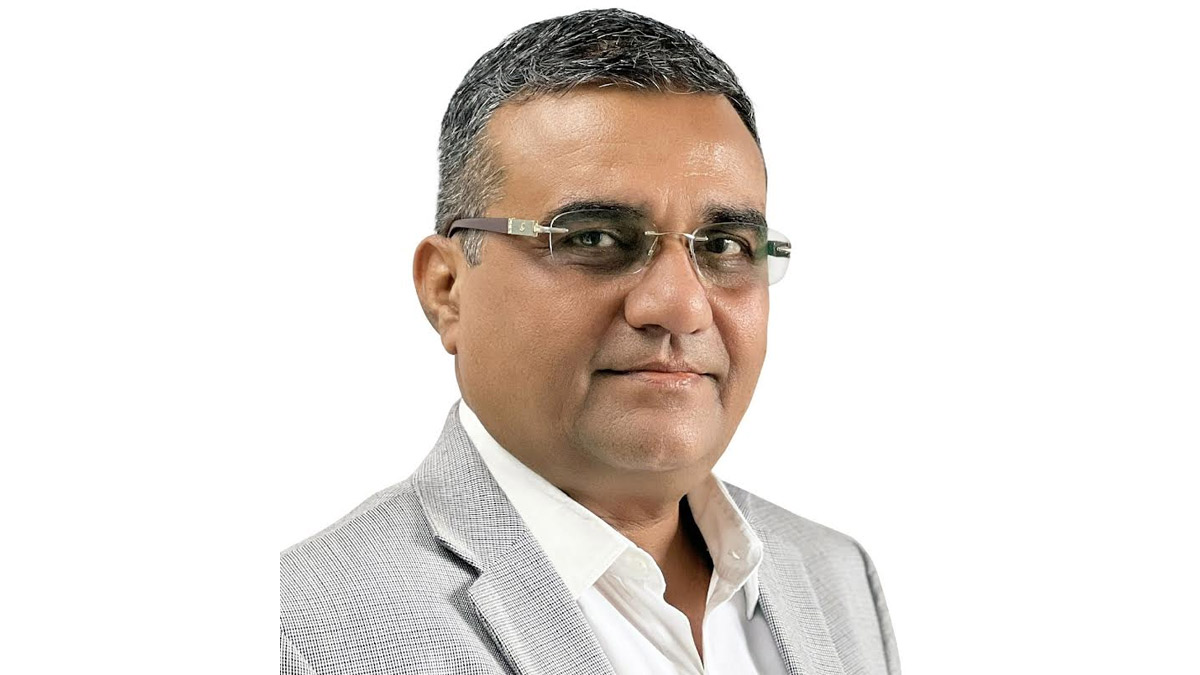
MUMBAI: A new chief, a fresh diagnosis and a sharper prescription for growth. Beacon Group has appointed Dr Rajesh Patel as its Group Chief Executive Officer, effective April 1, 2026, signalling a decisive push to scale its presence in the diagnostics and IVD space. Patel steps into the role with 36 years of experience across the healthcare and diagnostics industry, bringing a career shaped by leadership roles spanning sales, marketing, business development and operational strategy. His mandate is both expansive and precise: to steer the group’s overall strategic direction while tightening coordination across its three core entities Beacon Diagnostics, Vector Biotek and Biogeny Diagnostics.
In practical terms, that means driving cross-company synergies, accelerating market expansion and strengthening organisational capability areas increasingly critical as diagnostic players compete for scale in a fragmented yet rapidly evolving healthcare ecosystem. The group is positioning itself to capture unmet demand across chain laboratories, key accounts and standalone labs, segments that remain underserved despite growing diagnostic needs.
The appointment comes at a time when the In Vitro Diagnostics (IVD) sector in India is entering a more competitive and innovation-led phase, with companies focusing not just on product pipelines but also on service delivery, integration and customer-centric models. Beacon’s leadership appears to be betting that Patel’s execution-focused approach can help translate ambition into operational momentum.
Welcoming the appointment, Chairman Dr D K Joshi described Patel’s induction as a strategic move aligned with the group’s long-term vision, emphasising the role of leadership depth in navigating the next phase of growth.
For Beacon Group, the message is clear, in a sector where precision matters, leadership is the new differentiator—and this appointment is intended to set the tone for what comes next.






