MAM
Time for younger generation to take over, say ad gurus


NEW DELHI: Creativity in advertising can work only if there is a mix of the global and the local and when the consumer is hooked to the brand one is trying to market.
At the same time, it is highly important that the creative minds behind any ad campaigns are properly groomed and adequately compensated.
It is equally important to learn from one‘s peers and therefore one should know the history of the medium one is associated with.
The ongoing AdAsia 2011 with the participation of over 1200 delegates imparted all these lessons in the first two days of its sessions.
But in a session “the new Asian Creative minds”, Ogilvy & Mather executive chairperson and creative director, South Asia Piyush Pandey set the tone when he received huge ovation as he remarked in his well-known brusque manner: “It all boils down to are we paying them enough? Pay peanuts, get monkeys! If you want good people, start paying better.”
He also denied that India is not a brand building market. He said just because India is a new entrant to the international domain did not mean it is not building brands. In fact, he said that multi-nationals operating in India have already understood this.
The others on the panel included Dentsu Global executive creative advisor Akira Kagami; Cheil Worldwide chief strategy officer Bruce Haines; Lowe China CEO Kitty Lun; and JWT, North Asia area director Tom Doctoroff, who moderated the session.
Pandey said the Indian market is divided into two distinct parts: rural and urban.
Lun said “The overall market in China is very young. As advertising in China does not have a long history, they want to do courageous things. So there is an ambition of creativity but there are certain blocks.” She also said local companies did not believe in brand building.
Haines added there are very few multinationals in Korea and so the local people are not worried about brand building.
Kagami said brand building is for the corporation and not for the product being marketed.
The speakers were firm that the younger generation has to be encouraged to face new challenges with greater creativity.
The power of hierarchy, training and retaining manpower, and satisfactory remuneration to the younger lot in advertising are some of the issues that affect creativity, the panelists felt.
Earlier management guru Ram Charan in a keynote address analysed the theme of the meet, ‘Uncertainty is the new certainty‘.
Charan said creativity is also the cause of uncertainty in the advertising world. But there is need to change this uncertainty into prosperity.
He said digitisation has liberalised the consumers and marketers as well, resulting in the social and marketing change and a change in business models.
Interestingly, Charan strongly refuted the notion that foreign direct investment or creativity is traveling from west to east. He said it is in fact traveling from north – with countries like the United States, the United Kingdom, Europe, Russia, Japan and Korea – to the south with countries like China, India, south Asia, Latin America and Africa. Thus the south really showed the markets of the future and said the fact that some Indian companies are making huge investments overseas is an indication of this. But there is need for caution and one should go into a new market with a “deliberate strategy” and not just for global exposure.
He wanted companies to work towards finding the right kind of talent and train them to brace up to the challenges of the new world.
In a session on ‘The Game Changers‘, Hindustan Unilever Chairman Harish Manwani said his group is constantly reinventing itself to keep up with the changing times. Both he and Interpublic Chairman and CEO Michael Roth who conducted the discussion agreed on the importance of adapting to the changing environment thus making the brands relevant to its consumers.







MAM
Ameya Velankar steps down as Uber’s head of marketing for India & South Asia
Veteran marketer exits after more than seven years with the ride-hailing giant.
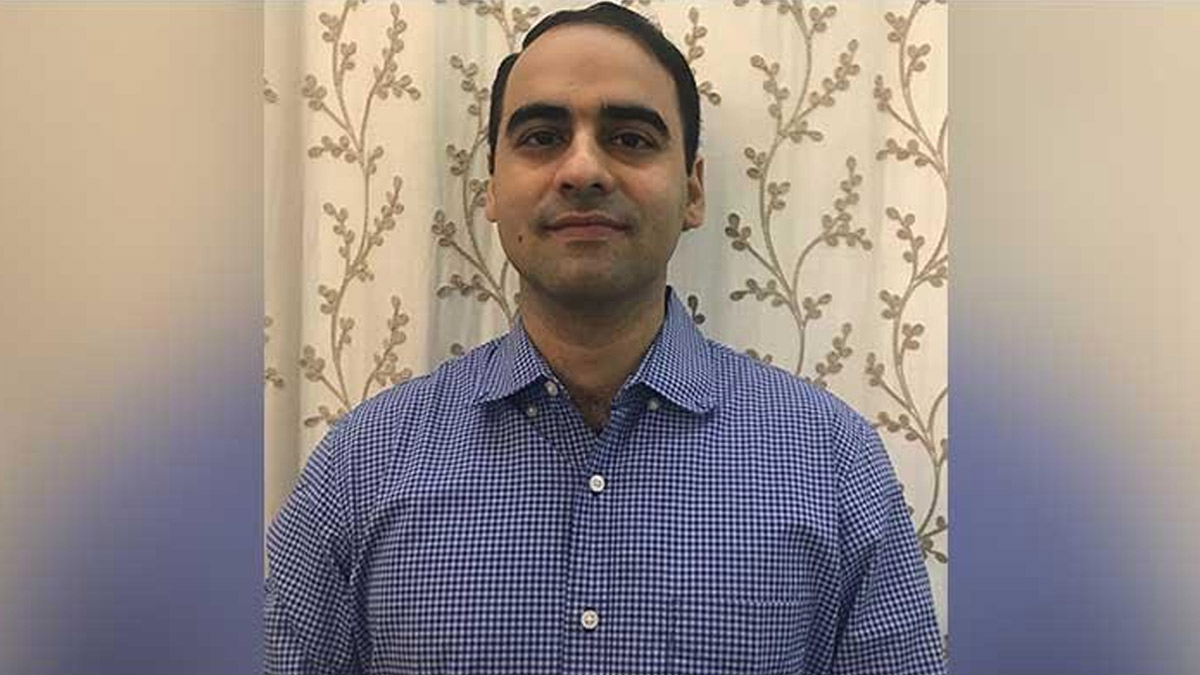
MUMBAI: After more than seven years of steering Uber through the bumpy roads of India’s mobility market, Ameya Velankar has decided to change lanes. Ameya Velankar has stepped down as Head of Marketing for India and South Asia, marking the end of a significant chapter at the ride-hailing company. He had been with Uber since 2019, taking on multiple roles in product and category marketing before rising to lead the marketing function for the region in 2021.
During his tenure, Velankar played a key role in strengthening Uber’s positioning in one of its most competitive and dynamic markets. He helped drive localised marketing strategies and scale adoption across key offerings such as Auto, Moto, Rentals and Intercity, tailoring global platforms to Indian consumer needs.
Prior to joining Uber, Velankar built his marketing expertise at leading consumer companies including SC Johnson and Marico, where he handled category and product leadership roles. His career began at RPG Enterprises.

Details of his next professional move have not been disclosed.
In a fast-evolving mobility landscape where brands constantly battle for attention, Ameya Velankar helped Uber stay relevant and resonant with millions of Indian users. As he moves on from the driver’s seat of marketing, the company will now look for fresh ideas to keep its wheels turning smoothly.






