MAM
Tier one town residents happiest at 86 per cent: Ipsos IndiaBus Happiness Monitor

Mumbai: The Ipsos IndiaBus Happiness Monitor of November 2023 shows at least three in four urban Indians (75 per cent) claim to be happy – a four per cent increase from the previous month. Interestingly, happiness has surged across all parameters used in the survey to gauge happiness.

A graph of different colored lines Description automatically generated
Who are the happiest?

Citizens residing in tier1 towns are the happiest at 86 per cent. Followed by tier2 towns (77 per cent), tier3 towns (72 per cent) and least happy were those living in the metros (68 per cent). Retired/ military/ prefer not to answer citizens (80 per cent) are the happiest, followed by full time parents and homemakers (79 per cent), self-employed (77 per cent), students (74 per cent), full/ part time employed (73 per cent) and the unemployed were least happy (53 per cent). SEC A (79 per cent) and SEC C (79 per cent) were happier than SEC B (70 per cent). Those with low education (76 per cent) were happier than those with high education (74 per cent). Interestingly, citizens in west zone were happier (83 per cent) than those in north zone (78 per cent). South zone (69 per cent) and east zone (67 per cent) were comparatively less happy – though both east zone and south zone have witnessed a double-digit increase in happiness levels over October 2023, of 16 per cent and 11 per cent respectively. Women were happier (78 per cent) vis-à-vis men (73 per cent). And students have seen a five per cent drop in happiness in Nov, from the previous month.
Biggest contributors to happiness – what makes Indians happy?
Happiness is not just an emotion or a state of mind. The survey shows happiness manifests in different aspects of life. Across all our happiness waves, family has been the biggest contributor to happiness and in the Nov wave as well, family is the biggest source of happiness (78 per cent), followed by health (72 per cent), friends’ circle (67 per cent), employment/work (67 per cent), colleagues, business associates (65 per cent), neighbours (63 per cent), economic/financial conditions (57 per cent), situation of the country (55 per cent) and situation of the world (51 per cent).

A table with numbers and a number on it Description automatically generated
Elucidating on the findings of the Nov wave of the Happiness Monitor, Ipsos India Group service line leader, public affairs, corporate reputation, ESG and CSR Parijat Chakraborty said, “Happiness levels have surged overall and across cities and demographics in November. From October end to mid-November, it was festival time which is a big mood booster. There are celebrations in the family, cities are decked up to radiate festive fervour, whether it is Durga Puja, Diwali, people wear their best clothes, bond with family and it is the time for shopping and family outings. Tier1 citizens are the happiest as they have the best of both worlds. Good jobs, income and recreation options of big cities, without the pressure of big cities or the higher cost of living of big cities (metros). Retired/ military & those preferring not to answer people are the happiest as they have the comforts of their savings and facilities abound, giving them enough personal time to relax and utilize the time to indulge in pursuits of leisure, likewise for full time parents and homemakers. Family remains the focal point of happiness for most Indians. Followed by health, friends, work etc. It is a package deal. Happiness is not just an emotion. It depends on several factors and disruption in one area can pull happiness levels down.”
‘It will be good to see if Indians can sustain the current momentum of happiness to the next month,” added Chakraborty.
Methodology:
Ipsos IndiaBus is a monthly pan India omnibus (which also runs multiple client surveys), that uses a structured questionnaire and is conducted by Ipsos India on diverse topics among 2200+ respondents from SEC A, B and C households, covering adults of both genders from all four zones in the country. The survey is conducted in metros, Tier 1, Tier 2 and Tier 3 towns, providing a more robust and representative view of urban Indians. The respondents were polled face to face and online. We have city-level quota for each demographic segments that ensure the waves are identical and no additional sampling error. The data is weighted by demographics and city-class population to arrive at national average. The data collection is done in every month and the results are calculated on two-months rolling sample.


MAM
Ameya Velankar steps down as Uber’s head of marketing for India & South Asia
Veteran marketer exits after more than seven years with the ride-hailing giant.
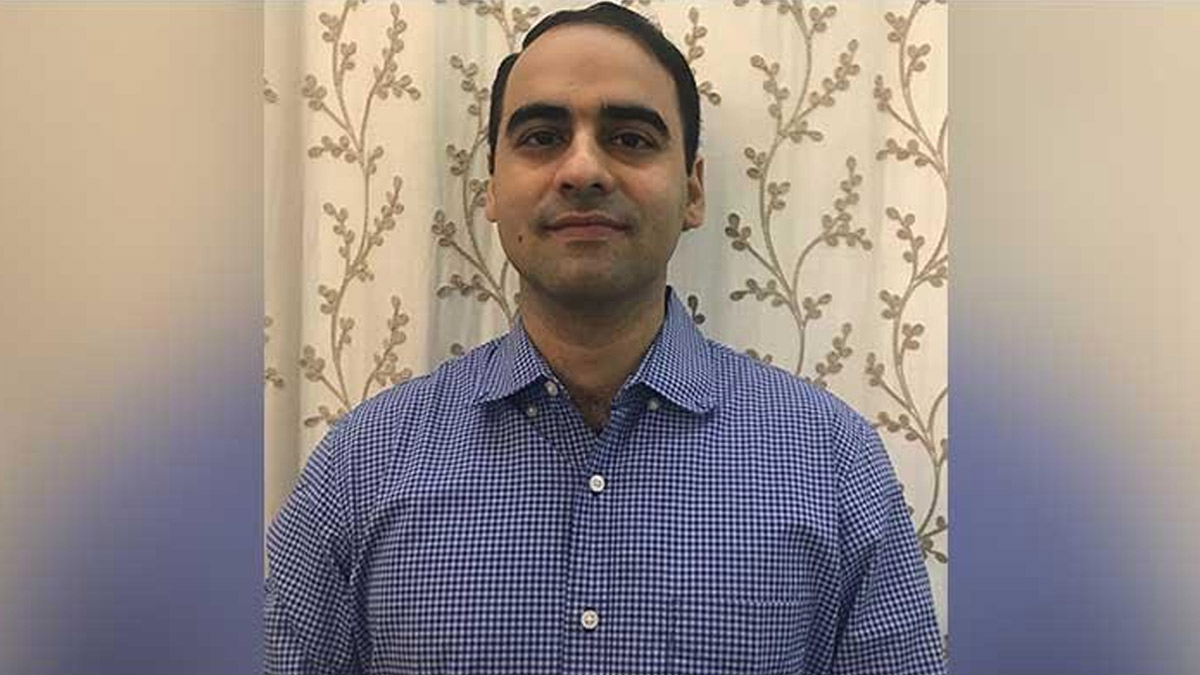
MUMBAI: After more than seven years of steering Uber through the bumpy roads of India’s mobility market, Ameya Velankar has decided to change lanes. Ameya Velankar has stepped down as Head of Marketing for India and South Asia, marking the end of a significant chapter at the ride-hailing company. He had been with Uber since 2019, taking on multiple roles in product and category marketing before rising to lead the marketing function for the region in 2021.
During his tenure, Velankar played a key role in strengthening Uber’s positioning in one of its most competitive and dynamic markets. He helped drive localised marketing strategies and scale adoption across key offerings such as Auto, Moto, Rentals and Intercity, tailoring global platforms to Indian consumer needs.
Prior to joining Uber, Velankar built his marketing expertise at leading consumer companies including SC Johnson and Marico, where he handled category and product leadership roles. His career began at RPG Enterprises.
Details of his next professional move have not been disclosed.
In a fast-evolving mobility landscape where brands constantly battle for attention, Ameya Velankar helped Uber stay relevant and resonant with millions of Indian users. As he moves on from the driver’s seat of marketing, the company will now look for fresh ideas to keep its wheels turning smoothly.






