MAM
The Typing Revolution in Cyberspace

At the early dawn of the office cubicles, the expensive and elegantly dressed secretarial pools were eliminated as grown-up executives were ordered to type and lick stamps. This great cost savings certainly pleased the CFOs, but quietly halted the intellectual interactions that such pools had offered, while keeping most adults pretty dumbfounded and sluggish for a decade.
Certainly mesmerized by keyboards, now after decades of torture and misery, most of us type and are masters of the two-finger tango. At this point, we are all heavily engaged in a global war of e-commerce, in which somehow everyone is forced to type. It’s type or else.
Type, Type, Type

This “Typing Revolution” of the recent past has surely taken control of the mainstream, creeping up on us, from basic keyboards to pocket devices that control our behavior in an almost bionic form. Type, type, type. Type in the morning, type in the afternoon, in the evening, in cars, in elevators, in bedrooms, restrooms, dining tables, picnic tables and sometimes all day in the office, too.
The same fingers that did all the walking in the Yellow Pages have now learned tap dancing. Klika-ta-klick, klika-ta-klick… Ole!
Those twisted business names and complicated URLs that everyone is forced to remember are of particular concern, demanding absolutely correct spellings, like Axcioum, or Qununantum, or Progexys. (None of these exist so far on Google, but you get my drift.)
One mistake and you end up in a strange La La Land: From whitehouse.gov to whitehouse.com — what a contrast! Dot-gov takes you to Lincoln’s bedroom, while dot-com will take you to Lolita’s.
Without precise spelling, one can spend all day searching through thousands of not quite identical names on a search engine.
Revolutions Make for Evolution
There were also other similar major revolutions during the last century, each creating a culture and a society entirely based upon that revolution of the period, including:
- “Print Society.” Expanding reading and literacy.
- “Radio Society.” Listening, dialogue and music.
- “Telephone Society.” Conversation, spiel, telemarketing.
- “TV Society.” Better sofas, centrality of the living room and visual knowledge.
- “Computer Society.” Organization and planning.
- “Telecom Society.” Globalization and surfing.
- “Cyber-Society.” Decentralization, intellectual-anarchy.
- “Broadcast Society.” It’s next. Be prepared.
The latter is fueled by the “Broadcasting Via Web Revolution” that will bring anchoring and broadcasting from every basement and every floor of office buildings around the globe. Make-up, lights, camera, action. Hello, CNN. (Adapted from: Sunrise, Day One, Year 2000, Naseem Javed, Linkbridge, 1996)
Keyboard, a New Battleground
Today naming is all about search ability and search engines. Spelling and cognitive associations control corporate names. Business listings have gone through the roof: A two-inch directory of the past is now a two-mile-thick book.
The masses, with their strained ability to memorize, are frustrated with typing mangled names with strange dashes and slashes. The human brain with its own pace of evolution is simply stuck somewhere just slightly ahead of the Jurassic era. The brain has no power or incentive to store and remember weird business names by the hundreds.
Positioning a name for maximum impact in global e-commerce is the new game. No one really cares about logos and colors anymore, only the name and how it relates to the business. After all, it’s only the name that everyone talks about, remembers, types, chats about, refers to, calls, praises or curses. Leave it to the Germans to come up with the longest domain name in the world. Roughly translated, the 63-space Web site means: “Just how human humans are is shown by how they treat their mother tongue”:
http://www.WiemenschlichMenschensindzeigtihrUmgangmitderMutte
rsprachefrsch.de
Are keyboards now the real battlegrounds where the next marketing fights will be won or lost? Is this typing revolution finally creating a hyper-global-hyper-secretarial-hyper-typing-pool? Ole!
Is typing replacing logos? Has pure memorability of the precise name become more critical then the entire design and packaging campaign? Will recalling an easily type-able name make more money then blindly spending millions of dollars on abstract market research to approve some abstract branding strategy? Why will simple names like Sony.com survive, while names like Exproptroxtron.com won’t?
Why not have a national holiday and declare it a Global Typing Day? Klika-ta-klick, klika-ta-klick… Ole!




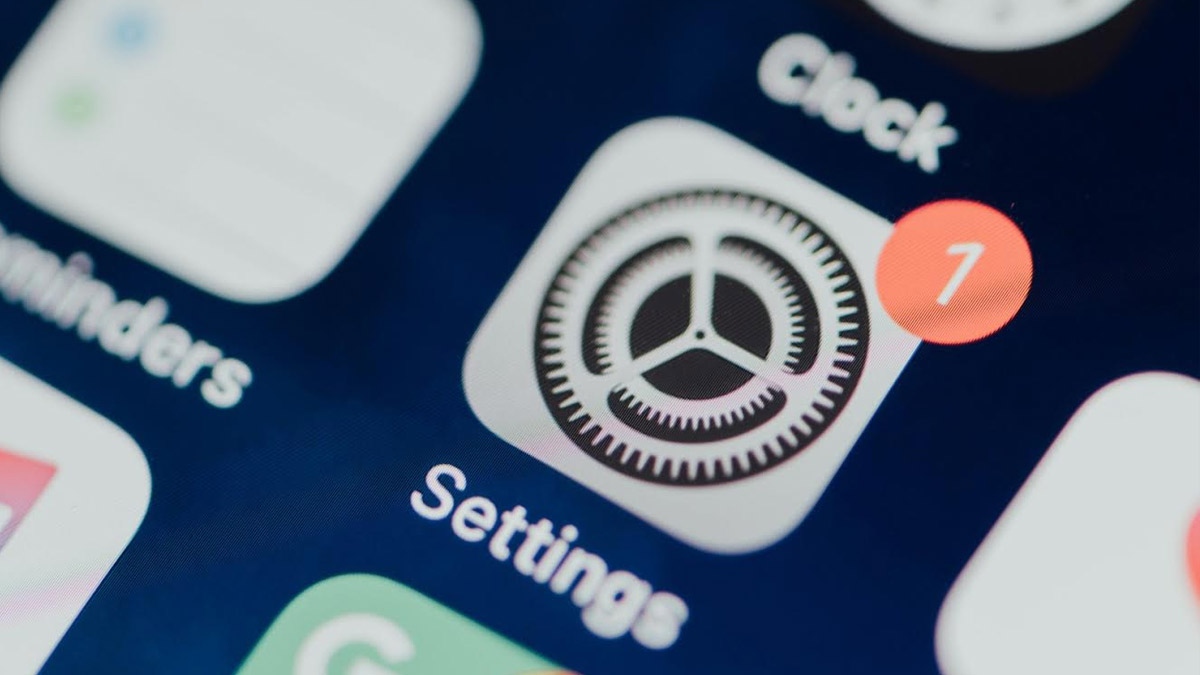
Apple rarely announces minor updates with much fanfare, and iOS 26.4 is no exception. No dramatic redesigns, no flashy keynote moments. What it delivers instead is a focused set of improvements that sharpen the experience you already have. If that sounds underwhelming, spend a week with it. You will change your mind.
Apple Music Learns to Listen Better
The biggest shift in this update lives inside Apple Music. Apple has brought AI-powered playlist generation to the app, and it works on mood rather than genre. Type something like “rainy evening at home” or “running late on a Monday,” and it builds a playlist that actually fits. This is not algorithmic guesswork dressed up in new clothing. It genuinely reads the intent behind vague descriptions and responds well.
Alongside this, a new concerts feature scans your listening history and surfaces live events happening near you. It is a smart bridge between your digital music habits and real-world experiences. Apple is quietly making the case that a music app should do more than just play songs.
Shazam also gets a meaningful upgrade. It can now identify songs without an internet connection. This might sound like a minor convenience, but anyone who has tried to Shazam something at a crowded venue with patchy signal will tell you it is anything but minor. The feature works locally on-device, which also means it is faster.
CarPlay Gets Smarter Controls
CarPlay has been updated with deeper integration for intelligent voice assistants. The goal is to reduce how often drivers need to look at a screen or tap anything at all. You speak, things happen. It is a clear step toward making the driving experience safer without stripping away functionality. The integration feels natural rather than bolted on, which is a harder thing to achieve than it sounds.
The Fixes You Feel Every Day
This is where iOS 26.4 earns its keep. Keyboard responsiveness has been improved, and the difference is noticeable immediately. Typing feels more accurate and less combative. Accessibility features have been refined across the board, with better contrast options and adjusted spacing that makes the interface easier to read without forcing you into larger text sizes.
The Health app has also been updated. It now surfaces more actionable insights from your daily data rather than just displaying numbers. If your sleep patterns have shifted or your activity levels have changed, the app now contextualises that clearly instead of leaving you to interpret raw figures on your own.
These are the kinds of changes that do not photograph well for a press release. They also happen to be the ones that make your phone feel genuinely better to use.
A Few Other Additions
New emojis have been added in this update. They will find their way into your conversations faster than you expect. Family Sharing has also been updated, with more granular control over shared payments and subscriptions. If you share an Apple account with family members, this puts clearer limits on who can spend what, which has been a long-requested fix.
What This Update Actually Represents
iOS 26.4 is Apple doing what it does best when it is not trying to make headlines. Every addition here serves a clear purpose. The AI music features are genuinely useful. The CarPlay improvements address a real safety concern. The small UI fixes accumulate into a noticeably smoother daily experience.
There is no bloat. Nothing feels experimental or half-finished. That discipline is harder to maintain than it looks, especially as operating systems grow more complex with each passing year.
If you have been holding off on updating, this is the one worth installing.






