MAM
The rise of young execs in agencies


MUMBAI: When you walk into a government office or a bank, chances are you will find over half the employees above the age of 35 years. The office environment is dull, boring and serious. On the contrary, if you were to visit an advertising agency, you would be surprised to see young executives driving the growth for the company and donning the executive hat. Today, agencies don’t blink an eye before appointing exes who are as young as 25 years and oh boy, they run the company!
Generation-Y is the first generation that grew up with the internet, and these youngsters, also termed as millennials, are used to having everything at their fingertips. They are pragmatic, connected, bold, and eclectic. Millennials also have a heightened social consciousness compared to previous generations. They believe they can change the world and are not afraid to take risks and challenge the status quo. They are forthright and fearless, insist that their voices are heard, keen to share their ideas, opinions and views on a subject, not afraid of hierarchies to ask questions. This obviously leads to a positive business impact and makes them a great asset for companies.
Big brands hop onto campus placements to source the next wave of fresh talent for their businesses or offer internships that turn into fully fledged employment. The world’s largest advertising media company, GroupM, hires close to 30 leadership trainees from the top B-schools and they undergo a six-month training before they are assigned to their roles. GroupM also hires lateral talent from premier B-schools due to which they are able to assign bigger roles to them fairly early in their careers.

iProspect India CEO Rubeena Singh notes that we are currently in the digital age of disruption and millennials are better equipped to navigate it. They are usually more abreast with the latest in technology and are comfortable in using it for seeking solutions. In many ways, they are making agencies more tech-savvy, helping them meet complex client needs in a fast-changing digital economy.
Mentioning that this generation has led to breaking silos and more collaboration, which is good for clients and agencies, Singh believes this is because millennials tend to work across departments, tapping into broader expertise rather than struggling on their own in the hope of claiming the glory. She adds that they are quick learners and are willing to go the extra mile, not limited to a hierarchy or an insular structure and the focus is on getting the job done.
Having internal employee mobility programmes is the core of ensuring talent retention and elevating the younger lot to explore various roles early in their career. GroupM chief HR and talent officer of South Asia Rohit Suri mentions that the group runs an extensive employee mobility program which provides its employees the opportunity to apply for various roles within the organisation in India and across the region and GroupM India is the largest exporter of talent to the APAC region.
Agencies are also increasingly investing in employee training programmes which help them in updating their skills and talent. Media agency Vizeum appoints its star performers to a program called Route 500 every year wherein such candidates are accorded disproportionate training and development opportunities and a fast track growth path within the network.
India’s largest integrated communications agency Ogilvy undertakes leadership sessions to enhance the younger generation’s skills through workshops and training sessions. Ogilvy India national head of talent and HR Monty Bharali believes that learning interventions potentially accelerate a professional’s capability and possibly, growth and these days that’s very welcome.
The people and teams are usually the backbone of a company. Without them, it’s impossible to run a business, especially one involving servicing. Investing in talent is extremely crucial for companies as it’s now almost a prerequisite for organisations to have development programmes for their employees. iProspect has a number of programmes to nurture talent and give its employees scope to move forward. A program such as NEXTGEN is designed for individuals to identify their calibre and accelerate their career to a higher / leadership level, employee exchange programs providing them with the opportunity for knowledge sharing and collaboration across global markets, iProspect University which is a central learning platform, Certified iProspect Learning Series that is crafted for employees to be informed on every aspect of digital marketing, national and international conferences, employee of the month title and fun Fridays.
The millennial employee group is extraordinarily creative, believes in excellence and is impatient to be shown in all of its capabilities. In an organisation built around creativity and excellence, its human capital will always be the greatest strength. Bharali opines that it’s essential to retain great young talent today as agility and adaptability are the need of the hour.
Young talent is probably the most expensive asset for agencies and Vizeum media associate general manager Saumya Agarwal points that talent retention continues to gain more importance as the availability of right talent remains a big challenge and it takes far more time, energy and money to replace than to groom an existing talent.
On a different note, The Glitch co-founder and content chief Varun Duggirala thinks that the idea should not be talent retention but talent farming. “Companies need to build great talent, nurture them and if and when they move on, be happy that you’ve sent the right kind of talent into the world,” he says.
One can criticise millennials for being fickle job-hoppers who show little interest in their work, but they actually care more about professional development than the previous generations which will only lead to more young executives in the industry going forward.
ALSO READ:
The Glitch to leverage GroupM data to reach rural India
We focus on employee learning & development: Rohit Suri, GroupM
How agencies deal with defaulters
Has advertising finally begun to embrace AI?






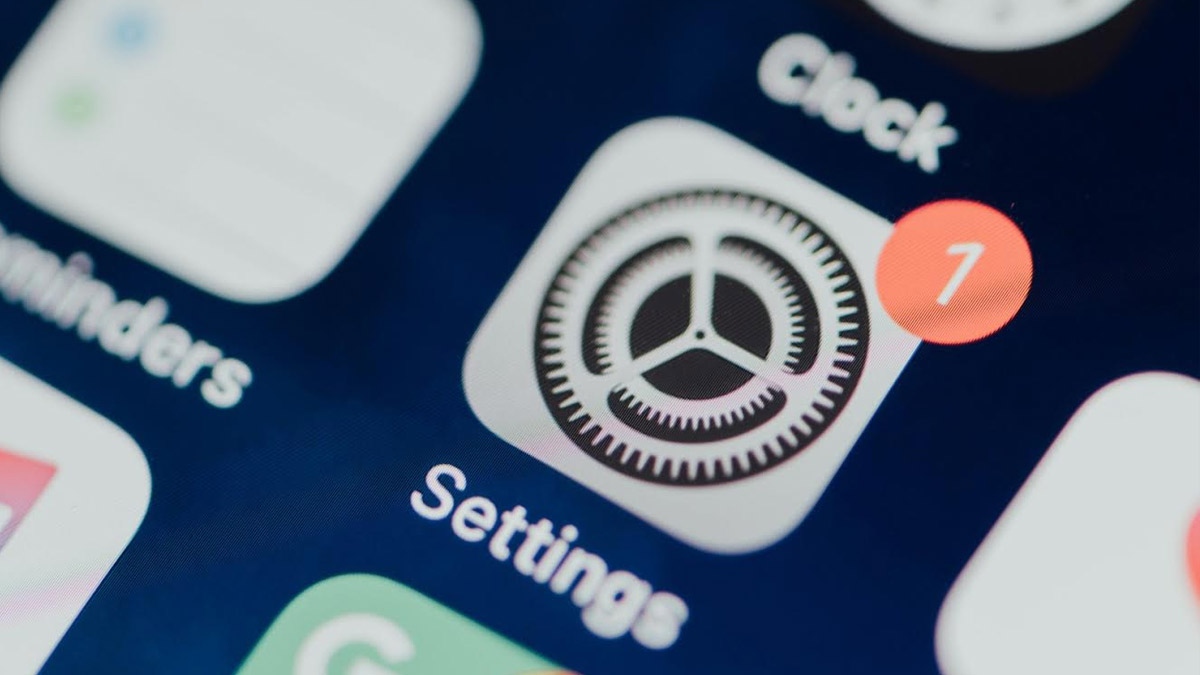
Apple rarely announces minor updates with much fanfare, and iOS 26.4 is no exception. No dramatic redesigns, no flashy keynote moments. What it delivers instead is a focused set of improvements that sharpen the experience you already have. If that sounds underwhelming, spend a week with it. You will change your mind.
Apple Music Learns to Listen Better
The biggest shift in this update lives inside Apple Music. Apple has brought AI-powered playlist generation to the app, and it works on mood rather than genre. Type something like “rainy evening at home” or “running late on a Monday,” and it builds a playlist that actually fits. This is not algorithmic guesswork dressed up in new clothing. It genuinely reads the intent behind vague descriptions and responds well.
Alongside this, a new concerts feature scans your listening history and surfaces live events happening near you. It is a smart bridge between your digital music habits and real-world experiences. Apple is quietly making the case that a music app should do more than just play songs.
Shazam also gets a meaningful upgrade. It can now identify songs without an internet connection. This might sound like a minor convenience, but anyone who has tried to Shazam something at a crowded venue with patchy signal will tell you it is anything but minor. The feature works locally on-device, which also means it is faster.
CarPlay Gets Smarter Controls
CarPlay has been updated with deeper integration for intelligent voice assistants. The goal is to reduce how often drivers need to look at a screen or tap anything at all. You speak, things happen. It is a clear step toward making the driving experience safer without stripping away functionality. The integration feels natural rather than bolted on, which is a harder thing to achieve than it sounds.
The Fixes You Feel Every Day
This is where iOS 26.4 earns its keep. Keyboard responsiveness has been improved, and the difference is noticeable immediately. Typing feels more accurate and less combative. Accessibility features have been refined across the board, with better contrast options and adjusted spacing that makes the interface easier to read without forcing you into larger text sizes.
The Health app has also been updated. It now surfaces more actionable insights from your daily data rather than just displaying numbers. If your sleep patterns have shifted or your activity levels have changed, the app now contextualises that clearly instead of leaving you to interpret raw figures on your own.
These are the kinds of changes that do not photograph well for a press release. They also happen to be the ones that make your phone feel genuinely better to use.
A Few Other Additions
New emojis have been added in this update. They will find their way into your conversations faster than you expect. Family Sharing has also been updated, with more granular control over shared payments and subscriptions. If you share an Apple account with family members, this puts clearer limits on who can spend what, which has been a long-requested fix.
What This Update Actually Represents
iOS 26.4 is Apple doing what it does best when it is not trying to make headlines. Every addition here serves a clear purpose. The AI music features are genuinely useful. The CarPlay improvements address a real safety concern. The small UI fixes accumulate into a noticeably smoother daily experience.
There is no bloat. Nothing feels experimental or half-finished. That discipline is harder to maintain than it looks, especially as operating systems grow more complex with each passing year.
If you have been holding off on updating, this is the one worth installing.






