Brands
The power of local influencers in boosting hospitality brands

Imagine walking into your favorite neighborhood café, the aroma of freshly brewed coffee taking over you. As you wait for your order, you spot a familiar face from Instagram — your favorite local influencer is sitting nearby, taking shots of the latest menu item. The café’s vibe instantly feels more inviting, and more trustworthy, simply because someone you admire endorses it. This is the power of local influencers in the hospitality sector. Local influencers are more than just social media celebrities; they are trusted voices in their communities, with the ability to impact opinions and drive purchasing decisions. India’s influencer marketing industry is expected to swell to ₹34 billion by 2026, from ₹19 billion in 2023, as businesses increasingly turn to social-media influencers to drive sales and deepen brand connect, a recent Ficci EY report said. For hospitality brands, influencers can be important allies, increasing brand visibility and trust in ways that traditional advertising cannot. By utilising influencers’ genuine connections with their followers, hospitality brands can develop more meaningful and impactful marketing campaigns.
One of the major advantages of engaging with local influencers is enhanced brand visibility. In a crowded market, differentiation is critical. Local influencers can introduce your brand to a loyal and engaged audience. A popular local food blogger, for example, can visit your restaurant, share their eating experience, and reach thousands of potential consumers who rely on their recommendations. This type of exposure is crucial, especially for smaller hospitality brands that may not have the resources to run large advertising campaigns. According to a 2024 survey by Influencer Marketing Hub, 67 per cent of marketers plan to increase their influencer marketing budgets because of its effectiveness. Local influencers can help increase your brand’s trust. When an influencer promotes your hotel, restaurant, or other hospitality service, it acts as a seal of approval. Their followers, who trust their recommendations, are more likely to consider your brand when making their own decisions. This word-of-mouth marketing is incredibly powerful and can lead to increased bookings, reservations, and overall customer interest.
Working with local influencers also allows you to successfully target specific demographics. Influencers frequently have a deep understanding of their target audience’s interests and behaviors. This knowledge enables hospitality brands to better adapt their marketing efforts. For example, if a local travel influencer primarily attracts young professionals interested in weekend getaways, a boutique hotel can offer special packages that cater to this demographic. By aligning your offerings with the interests of the influencer’s audience, you can create more relevant and appealing marketing campaigns. The power of local influencers is not limited to online interactions. Many influencers also participate in local events and have a strong community presence. This means that their endorsements can extend beyond social media, influencing offline behavior as well. For instance, an influencer might host an event at a local restaurant or recommend a nearby hotel to friends and family. These offline interactions can further enhance a brand’s reputation and drive business.

Collaborating with local influencers adds a personal touch to your brand. This human aspect has the potential to make a huge difference in the hospitality industry, where personal encounters and customer service are important. When an influencer shares a favorable experience with your business, it humanizes it and makes it more relatable. This emotional connection can build loyalty and inspire return visits. They are also extremely effective in creating user-generated content (UGC). When influencers share their experiences with your brand, followers frequently respond by commenting, sharing, and generating their content. This influence has the potential to increase your brand’s reach and engagement. 89 per cent of marketers feel the ROI on influencer marketing is comparable to or better than that of other marketing channels, according to a Mediakix study. UGC serves as genuine testimonials that can sway potential clients’ selections. Encouraging influencers and their followers to use branded hashtags or participate in social media challenges can further boost your brand’s online presence.
To illustrate the impact of local influencers, let’s look at some real-world examples. In India, the hospitality brand Club Mahindra chain has successfully collaborated with local influencers to showcase their luxurious properties and unique experiences. By inviting influencers to stay at their hotels and share their experiences, Club Mahindra has reached a wider audience and reinforced its reputation as a premier hospitality brand.
While the benefits of collaborating with local influencers are clear, hospitality brands need to approach these partnerships thoughtfully. Here are some key considerations to ensure a successful collaboration:
1. Identify influencers whose values and audience align with your brand. Authenticity is crucial, and the influencer’s followers should genuinely fit your target demographic. Research their content, engagement rates, and previous collaborations to check their suitability.
2. Establish clear goals and expectations. Whether you aim to increase brand awareness, drive bookings, or promote a specific service, communicate your objectives clearly to the influencer. This clarity will help them create content that aligns with your goals and resonates with their audience.
3. Foster a genuine relationship with the influencer. Rather than a one-off collaboration, consider building a long-term partnership. This approach allows the influencer to develop a deeper understanding of your brand and convey that authenticity to their audience. Engage with their content, provide feedback, and show appreciation for their efforts to nurture a positive and productive relationship.
4. Encourage creative freedom. Influencers have their unique style and ways of connecting with their audience. Allow them the freedom to create content that feels natural and authentic. This approach not only maintains the influencer’s credibility but also ensures that the content resonates more effectively with their followers.
5. Measure the impact of the collaboration. Track key metrics such as engagement rates, website traffic, and conversion rates to evaluate the effectiveness of the partnership. Gathering insights from these metrics can help refine your influencer marketing strategy and improve future campaigns.
In a world where online connections drive real-world decisions, local influencers are the new representatives for hospitality brands. Their unusual ability to combine authenticity and targeted reach makes them valuable allies for hotels, restaurants, and event locations. By using the power of local influencers, hospitality brands may not only increase their visibility and credibility but also foster long-term partnerships with their communities. As the marketing environment continues to develop, one thing is certain: local voices will continue to guide us to our next favorite meal, stay, or experience.
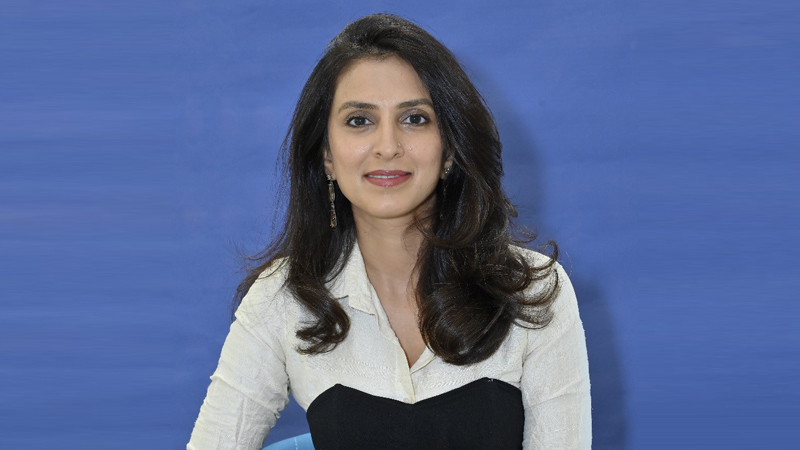
The article has been authored by Stellaratti Brand Consultants founder Simer Motiani.


Brands
Aman Gupta’s OFF/BEAT secures Rs 100 crore seed funding round
Bessemer backs new venture betting on AI and India’s digital shift
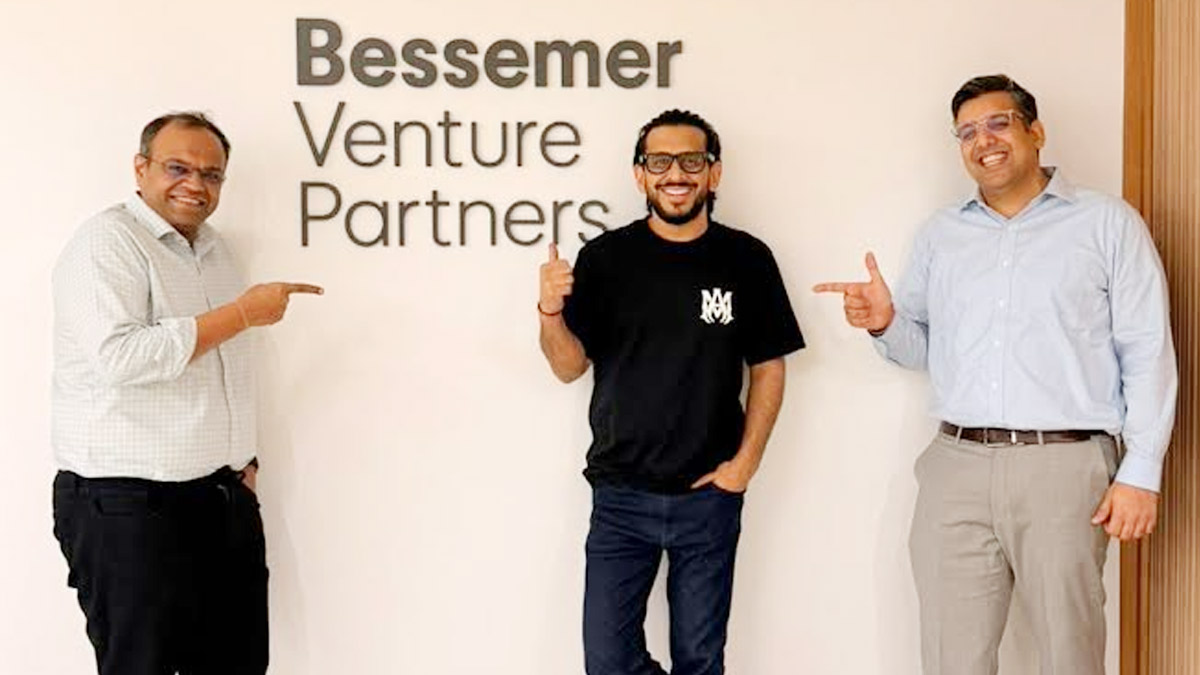
MUMBAI: Aman Gupta has raised Rs 100 crore in seed funding for his new venture OFF/BEAT, with Bessemer Venture Partners leading the round as it bets on a new wave of AI-led, consumer-first businesses in India.
The funding marks an early but significant push for OFF/BEAT, which is positioned to tap into a rapidly evolving market shaped by a digitally native generation and advances in artificial intelligence. The venture aims to build at the intersection of culture and technology, where brand identity and innovation increasingly go hand in hand.
Gupta, best known for co-founding boAt and scaling it into a Rs 3,000 crore-plus business, is now looking to apply those learnings to a new playbook. His focus this time is not just on building a consumer brand, but on leveraging AI and global networks to accelerate growth.
OFF/BEAT founder Aman Gupta said, “Having built from scratch before, I know what capital can do and what it cannot. This time, I was looking for partners with a global perspective who can help me leverage technology and AI, because that is where the future lies. Bessemer’s track record with companies like Anthropic, Shopify, Canva and LinkedIn says it all.”
The choice of investor reflects that ambition. Bessemer Venture Partners has backed global technology players such as Anthropic, Shopify, Canva and LinkedIn, bringing not just capital but strategic support and global reach.
Bessemer Venture Partners partner Anant Vidur Puri said, “We back founders who see around corners. Aman saw how a new India would come to think about aspiration, identity and quality, and built boAt as proof. He is now applying that same instinct to a market being reshaped by AI and by a generation with entirely new expectations.”
The investment comes at a time when India’s startup ecosystem is being reshaped by both consumer behaviour and technological disruption. Founders are increasingly expected to understand not just products, but the cultural shifts that drive adoption.
For OFF/BEAT, the journey is just beginning, but the signal is clear. In a market where attention is fleeting and expectations are rising, building something truly distinctive may be the only way to stay on beat.






