Brands
The matter of high ticket & F&B pricing in cinema halls


MUMBAI: Film maker Karan Johar’s plaint that high ticket and F&B prices are what are keeping cinema-goers away from theatres has been seriously objected to by the Multiplex Association of India (MAI) which has issued a clarification.
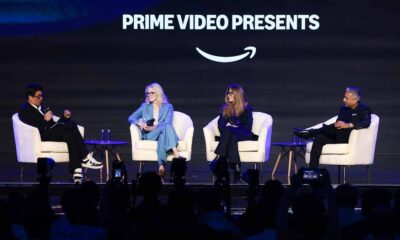
It may be recalled that Karan Johar, Zoya Akhtar and other directors had sat down and done a free-wheeling conversation with the debut podcast of The Hollywood Reporter India editor Anupama Chopra, the video of which was released earlier this week. During the course of the chit-chat, Johar had mentioned that a single visit to the cinema would set back a family by about Rs 10,000; hence the visits have fallen, films are failing and the box office is getting affected.
MAI president Kamal Gianchandani has issued a note in which he has stated that the issue of ticket pricing and F&B needs to be viewed in a “more balanced manner.”

According to Gianchandani, the average ticket price (ATP) in 2023 across all theatres in India was Rs 130 per ticket. “The country’s largest cinema chain, PVRInox, reported an ATP of Rs 258 for the fiscal year 2023-24. Additionally, the Average spend per head (SPH) on F&B at PVRIox during this period stood at Rs 132. This brings the total average expenditure for a family of four to Rs 1,560 —significantly different from the Rs 10,000 figure carried in the media reports,” he explained.
Gianchandani further pointed out that cinema pricing is dynamic and flexible and fluctuates based on factors like location, day of the week, seat type, film format, and cinema format. “Exhibitors utilise sophisticated digital tools to stimulate audience demand and optimize pricing, frequently offering discounts and promotions that make cinema outings more affordable, not just during off-peak times but even on popular days. Many of these initiatives can lower the overall cost of a cinema visit by more than 50 per cent providing families and moviegoers with affordable options. All pricing structures are clearly listed both at cinemas and online, ensuring transparency and choice for customers,” he elucidated.
“More than anything else, it’s a well-recognised fact that the demand for a film is largely driven by its content and appeal, rather than by pricing alone. Any evaluation of pricing in the cinema industry must account for the broader economics of the movie business, which involves multiple stakeholders, including producers, distributors, and exhibitors. Each of these players contributes to the final cost to consumers, with prices ultimately shaped by the market forces of demand and supply. If lowering prices could optimize revenue for everyone involved, cinema operators would naturally make those adjustments without needing to be told. “
“Additionally, unavoidable factors such as inflation play a role, and India has historically experienced high inflation rates. Nevertheless, cinema exhibitors continuously experiment with pricing models, collecting customer feedback and leveraging data analytics to refine their strategies,” he spelt out. “This ensures that the current pricing is both competitive and fair in the context of today’s market.”
Gianchandani concluded the note whilst saying: “At the heart of it all, our industry remains committed to delivering a diverse, high-quality, and accessible entertainment experience for all moviegoers. We believe it’s crucial to consider the full picture before drawing conclusions about pricing, as it’s a complex issue involving many moving parts. The goal remains the same: to provide audiences with the best possible experience at a fair value.”






Brands
Lotus Herbals unveils HydroActivated sunscreen with high-impact campaign
Harnaaz Sandhu fronts digital push spotlighting breakthrough sun care tech

MUMBAI: Lotus Herbals has rolled out a high-decibel marketing campaign to introduce what it calls India’s first hydro-activated sunscreen, aiming to reshape how consumers think about sun protection.
At the centre of the launch is the Safe Sun HydroActivated Sunscreen SPF 50+ PA+++, a formulation built on a patent-pending Hydrosome Technology that activates on contact with moisture. Unlike conventional sunscreens that can weaken with sweat, this product is designed to do the opposite, boosting protection when the skin is exposed to water or perspiration.
The campaign is led by Harnaaz Sandhu and is being amplified across OTT platforms, social media and outdoor locations in key metro cities. The brand film takes a light, relatable approach to everyday sunscreen struggles such as uneven application and fading protection, while positioning the new product as a reliable, high-performance alternative for active lifestyles.
Beyond its core technology, the sunscreen features next-generation UV filters and Edelweiss Flower Extract, offering hydration alongside protection. The formula claims up to 10 hours of water resistance and even, all-round defence against sun exposure and tanning, targeting consumers who want both skincare and performance in one product.
Speaking about the launch, Lotus Herbals chairman and managing director Nitin Passi said, “We are excited to launch India’s first sunscreen with hydroactivated technology which is our most innovative product launch. This isn’t just a sunscreen; it’s a technological breakthrough that utilises a novel manufacturing process. We’ve created a product that stays invisible on the skin yet becomes a performance powerhouse when the user is most active.”
Sharing her experience, Lotus Herbals brand ambassador Harnaaz Sandhu said, “I am thrilled to be associated with Lotus Herbals Safe Sun for their new sun protection campaign. In my world, there is no room for shortcuts, and I need functional and reliable products that work as hard as I do. The hydroactivated sunscreen is a game-changer because it blends with my skin and protects me better when I’m pushing my limits.”
The campaign is being distributed across platforms including JioStar connected TV integrations and ZEE5, along with television placements such as Sa Re Ga Ma Pa in West Bengal. A large influencer push involving over a thousand creators, along with in-store branding and retail activations, is also part of the rollout.
With a blend of science-led positioning and mass-market storytelling, Lotus Herbals is betting on innovation to stand out in the crowded sun care segment, hoping its moisture-powered promise strikes the right chord with today’s always-on consumers.






