MAM
The deep root of kabaddi mats in India

Kabaddi, a traditional Indian sport, has ancient roots that trace back over 4,000 years. This contact team sport, known for its intense physical and mental demands, has evolved significantly, with its equipment, particularly the mats used for playing, reflecting a blend of cultural heritage and modern advancements.
Kabaddi’s origins are often linked to ancient Indian epics such as the Mahabharata, where tales of strategy, bravery, and teamwork resemble the game’s essence. Historically, Kabaddi was played on simple, unmarked fields of dirt or clay, which were readily available in rural India. The raw and rustic nature of these early playfields symbolized the sport’s close connection to the land and the community. These early versions likely involved grappling and raiding techniques, played on natural surfaces like earth or grass.
Evolution of kabaddi mats – From cultural significance to modern kabaddi mats

Despite the technological advancements, Kabaddi mats retain a deep cultural significance in India. They symbolize the sport’s journey from rural roots to a globally recognised competition. The mats are not just functional equipment, they are a bridge connecting the past to the present, embodying the spirit of resilience and adaptability. Traditional mats were often made of natural materials like mud, hay, or cloth. These provided a basic playing surface, allowing for the sport’s characteristic dives, lunges, and tackles, and also natural mats had limitations. The mud could become slippery or uneven after rain, while hay and cloth lacked durability. As kabaddi transitioned from rural fields to organised competitions, the need for a more standardised and reliable playing surface became paramount.
However, today’s modern kabaddi mats are typically made from high-quality foam and synthetic material designed to provide shock absorption and grip. The advancements in technology have led to the development of mats that not only ensure player safety but also enhance performance by offering a consistent and reliable surface. Also, Modern mats have the capacity by which they can be used on either side. When one surface deteriorates or gets dirty, you can play the game on the other side of the mat. These mats are more long-lasting. The design of modern Kabaddi mats involves a multi-layered approach. The top layer is often made from non-slip materials to prevent players from slipping during the game. The middle layers are constructed to absorb impact, reducing the risk of injuries such as sprains or fractures. The bottom layer is designed to grip the floor, ensuring that the mat stays in place throughout the game.
The impact on competitive kabaddi
Kabaddi mats are not merely a playing surface; they are a vital component of competitive Kabaddi. Their role in ensuring player safety, enhancing performance, and promoting the sport’s growth is undeniable. As Kabaddi continues Kabaddi mats have significantly impacted the competitive landscape of the sport.
1. Increased player confidence: A safe playing surface fosters a sense of security in players. This allows them to push their limits with greater confidence, leading to a more aggressive and exciting brand of Kabaddi.
2. Faster gameplay: The firm yet cushioned surface allows for quicker movements across the court. This facilitates a faster-paced game with more dynamic raids and tackles, making it more captivating for viewers.
3. Standardized playing conditions: The use of standardised Kabaddi mats ensures consistent playing conditions across different venues. This levels the playing field for all teams, promoting fairness and a focus on athletic skills.
4. Global expansion: Portable Kabaddi mats enable the sport to be played in diverse locations, fostering its growth internationally. This exposure attracts new players and audiences, contributing to the overall popularity of Kabaddi.
Looking ahead: The future of kabaddi mats
The future of Kabaddi mats is undoubtedly intertwined with the advancement of Kabaddi itself. Here are some potential areas of development:
1. Sustainable materials: The exploration of eco-friendly and recyclable materials for Kabaddi mat construction could contribute to a more sustainable sporting environment.
2. Technological integration: Integration of sensors into the mats could provide valuable data on player movement, impact forces, and potential injury risks. This data can be used for training optimization and injury prevention strategies.
3. Smart mats: The development of “smart mats” with interactive capabilities could enhance training techniques. For instance, these mats could light up specific zones to guide players during drills or training exercises.
The evolution of Kabaddi mats in India reflects the sport’s dynamic journey from its ancient roots to its modern-day prominence. While technological advancements have transformed the mats into sophisticated pieces of sports equipment, they continue to embody the cultural heritage and traditional values associated with Kabaddi. These mats are a testament to the sport’s enduring legacy, symbolizing the blend of tradition and innovation that defines Kabaddi’s place in Indian culture and its growing global footprint.
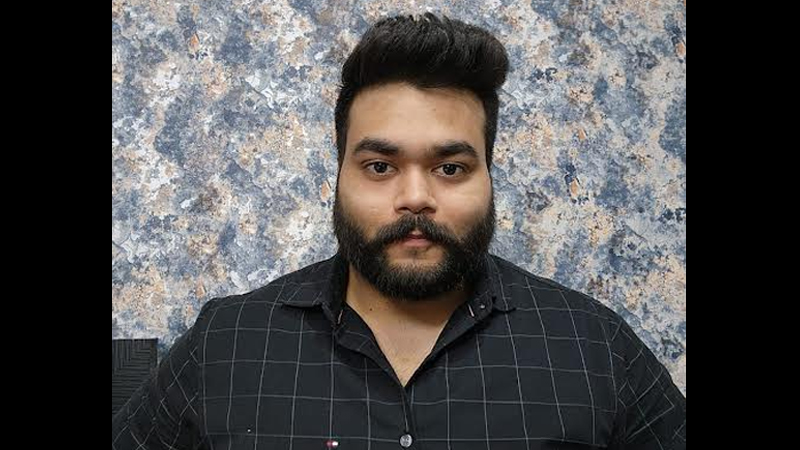
This article has been authored by Gravolite director Paras Maheshwari.



MAM
Flipkart elevates Asim Saurav Das to Director role
Nearly decade-long journey sees brand marketing veteran take on senior leadership position.

MUMBAI: When you climb the e-commerce ladder one thoughtful campaign at a time, eventually the view from the top becomes irresistible and Asim Saurav Das has just reached a new floor. Asim Saurav Das has been elevated to director at Flipkart, marking a significant milestone in his nearly decade-long journey with the organisation. In his new role, he will continue to drive strategic initiatives across brand and marketing, contributing to Flipkart’s growth and market leadership in India’s fiercely competitive e-commerce landscape.
Das joined Flipkart as a Management Trainee and has steadily risen through the ranks, holding key positions including Brand Marketing Manager, Senior Manager, and Associate Director. Before Flipkart, he gained early experience with Procter & Gamble and Hindustan Times. His elevation reflects a strong track record in brand strategy, consumer insights, and delivering impactful marketing outcomes.
From trainee to director in under ten years, Das has clearly mastered the art of scaling brands proving that in the world of online retail, the best way to the top is still through smart, consistent steps rather than shortcuts.








