MAM
The Basic Cover Guide: Why Third-Party Online is Your First Step to Legal Safety


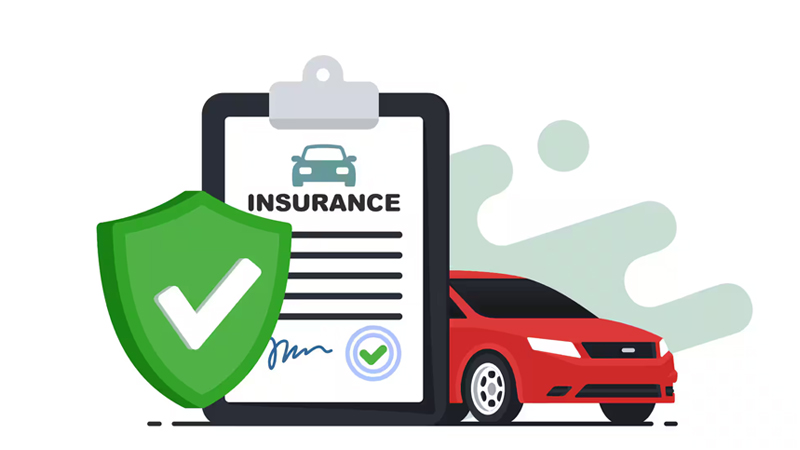
Many drivers assume basic coverage is just a formality until an accident involving someone else brings legal notices, compensation claims, and unexpected financial pressure. At that point, the real importance of car insurance becomes clear. A single road incident can quickly create obligations that are difficult to manage alone.
In this blog, you will learn how third-party online cover supports legal safety, what it includes, and why securing it online is a smart first step.
Why Third-Party Insurance is Legally Mandatory

Indian motor law requires vehicles used on public roads to carry third-party liability cover. The intent is to protect the public by ensuring there is a recognised route for compensation when a vehicle causes harm to others.
If a vehicle is driven without this cover, penalties can apply, and the owner may have to pay the compensation amount personally if legal liability is decided against them. This helps ensure that people who suffer loss are not left without support.
How Third-Party Online Insurance Works
When third party car insurance is purchased online, the proposer shares vehicle and personal details, pays the premium, and receives the policy document in digital form. The cover applies during the policy period and provides legal liability protection for others arising from the use of the insured vehicle.
If an incident leads to a claim, the process usually involves reporting, submitting required papers, and following the steps set by the authority handling the matter.
What is Covered Under Third-Party Insurance?
This cover is designed to pay for losses suffered by others when legal liability is established. The response depends on the policy terms, the evidence, and the decision made during the claim proceedings.
Bodily Injury to Third Party
If someone else is injured in an accident involving the insured vehicle, the policy can cover the insured person’s legal liability. Compensation is assessed using medical records and other supporting documents, along with findings on responsibility. Payment is made based on the final compensation amount decided in the case, as per the policy terms.
Property Damage
If another person’s property is damaged, the policy can respond to the insured person’s liability for that loss, within the limit mentioned in the policy. The amount is generally based on documents that support ownership and the assessed repair or replacement cost. Timely reporting and clear paperwork can reduce delays in assessment.
Legal Support During Claim Proceedings
Third-party claims can involve notices, hearings, and filings because they focus on legal liability. Under the policy terms, the insurer may assist in organising documents and managing parts of the defence process through appointed representatives. This can support orderly communication and reduce missed deadlines.
What is Not Covered
Third-party cover is narrow, so some common expenses are excluded. These exclusions are common, but the exact details depend on the policy terms.
● Damage to the insured vehicle is not covered, including repair costs.
● Loss or damage to the insured person’s belongings is not covered.
● Injury cover for the owner-driver or passengers is typically separate.
● Claims linked to use that breaches policy terms may not be payable.
● Contractual promises beyond legal liability are generally not included unless stated.
Why Buying Online Strengthens Legal Safety
Buying online does not change legal duties, but it can make compliance easier to maintain and easier to prove. Digital records also support clarity if cover dates are questioned after an incident.
● Digital issuance can reduce the risk of an accidental gap in cover.
● A stored e-policy can be retrieved quickly when proof is requested.
● Receipts and time stamps help confirm when the policy was active.
● Online renewals can support timely payment and avoid lapsed cover.
● Clear documents make limits and required steps easier to understand.
Conclusion
Third-party liability cover is a direct step towards legal protection because it covers losses suffered by others when a vehicle causes harm. It supports compliance and reduces the risk of penalties for uninsured driving. Buying online can help keep policy documents, dates, and receipts easy to retrieve during checks and claim proceedings. When the cover’s scope and exclusions are understood in advance, it becomes easier to stay compliant, prepared, and confident on the road.


Brands
Tata Communications named Gartner WAN Leader for 13th consecutive year
AI-driven network upgrades and global expansion keep telecom major ahead
MUMBAI: Tata Communications has once again secured its place among the top global network providers, earning a Leader position in the Gartner Magic Quadrant for Global WAN Services 2026 for the thirteenth year running.
The recognition from Gartner highlights the company’s consistent performance in both strategic vision and execution, a rare feat in a fast-evolving connectivity landscape.
Over the past year, Tata Communications has doubled down on building what it calls a more intelligent and flexible network fabric. In simpler terms, this means networks that can adapt on demand, powered by artificial intelligence and analytics, to support businesses operating across geographies and industries.
The company has expanded its network-on-demand offerings, allowing enterprises to scale connectivity more easily across data centres and multiple cloud environments. It has also invested in next-generation fibre infrastructure and high-capacity 800G wavelength services to keep pace with the growing demands of AI-led cloud ecosystems.
Global reach remains a key focus. Tata Communications has extended its footprint through partner points of presence, enabling quicker deployment in new markets while strengthening last-mile connectivity through local collaborations.
Security, too, is getting a significant upgrade. The company has enhanced its Secure Access Service Edge capabilities to tackle emerging AI-driven cyber risks, including unauthorised data transfers. Looking ahead, it is also preparing to roll out quantum-safe encryption services based on post-quantum cryptography standards, aiming to future-proof enterprise data against both classical and next-generation threats.
Speaking on the milestone, Tata Communications executive vice president, core and next-gen connectivity services and chief technology officer Genius Wong said, “We are honoured to be recognised for the 13th consecutive year and deeply appreciate the continued trust our customers place in us. At Tata Communications, we will continue to transform our solutions so enterprises can build resilient, high-performance and intelligent digital foundations. With our future-ready, resilient and intelligent network fabric, enterprises can scale with confidence and thrive in an AI-powered future world.”
While industry rankings often come and go, a 13-year streak suggests more than just consistency. For Tata Communications, it signals a steady grip on a rapidly shifting global connectivity market and a clear ambition to stay ahead of the curve.









