MAM
The art Of storytelling: How marketing narratives drive project engagement and support

Mumbai: “In the ever-evolving marketing landscape, amidst constant refinement of strategies and methods, one timeless instrument persists due to its enduring effectiveness: storytelling”.
The art of storytelling transcends mere advertising; it involves the weaving of narratives that entice internal teams, engage broader audiences, forge emotional connections, and ultimately foster involvement and support for a project. This article examines the impact of storytelling on marketing campaigns, highlighting narratives as potent drivers of project success.
At its core, storytelling surpasses the mere conveyance of information; it creates immersive experiences that resonate with audiences. Effective narratives captivate individuals by immersing them in a narrative where they become active participants. According to reports, 55 per cent of consumers are inclined to recall a narrative over a mere list of facts. This immersive element is crucial in marketing projects as it encourages deeper levels of participation and buy-in from stakeholders.

One of the most important ways that story-driven marketing fosters project engagement is by simplifying and simplifying difficult ideas so that they may be understood by the audience. Whether it’s the introduction of a brand-new product, an endeavour to rebrand a company, or an initiative to have a positive impact on society, projects frequently involve complex ideas and goals.
Moreover, storytelling evokes emotions, a vital component in garnering support for marketing strategies. By tapping into emotions such as empathy, joy, or inspiration, marketers can build connections with their audience, fostering deeper engagement and a sense of shared mission, especially in projects involving cross-functional teams.
In addition to increasing engagement, narrative plays a pivotal role in building support and advocacy for marketing campaigns. When stakeholders, whether internal teams or external partners, develop an emotional attachment to the project’s narrative, they are more likely to advocate for its cause, offer their expertise, and actively participate in its success. This support network proves indispensable in overcoming obstacles, acquiring resources, and navigating the complexities inherent in any marketing project.
Additionally, in a competitive market, the art of storytelling becomes a potent instrument for differentiation, enabling brands to stand out amidst the competition. They need to discover unique ways to attract attention in an era where consumers face an overwhelming array of choices. Differentiation comes through crafting a captivating narrative that infuses the brand with personality, authenticity, and meaning, resonating with customers on a deeper level. Marketers carve out a distinct identity and foster brand loyalty by aligning their efforts with a consistent narrative reflecting the brand’s values and connecting with their target audience. According to reports, businesses boasting captivating brand narratives experience a 20% surge in customer loyalty. This greater customer loyalty leads to increased sales and higher profits, making the brand narrative a powerful tool for businesses.
Aside from that, the power of storytelling extends beyond traditional marketing platforms, permeating every aspect of project communication and execution. Narratives serve as guiding threads, weaving together disparate elements into a cohesive whole across various contexts such as internal meetings, social media campaigns, and customer interactions. Marketers who maintain clarity of purpose, alignment of efforts, and message continuity throughout the project lifecycle maximise its impact and effectiveness through consistent and captivating storytelling.
Furthermore, narratives possess the exceptional ability to inspire action and drive significant change. They mobilise people toward shared goals, whether advocating for social justice, promoting sustainable practices, or garnering support for a cause. Marketers harness the collective energy and enthusiasm of their audience to effect positive change using storytelling as a tool for social impact.
By weaving these elements into a compelling narrative, you can transform project communication from a chore to a strategic tool for driving engagement and securing support. Remember, storytelling is an art – so practice, experiment, and find the narrative that resonates best with your audience.
In conclusion, the power of storytelling can be a game-changer for project marketing. By crafting narratives that connect on an emotional level, you can turn project stakeholders into enthusiastic supporters, paving the way for successful project outcomes.
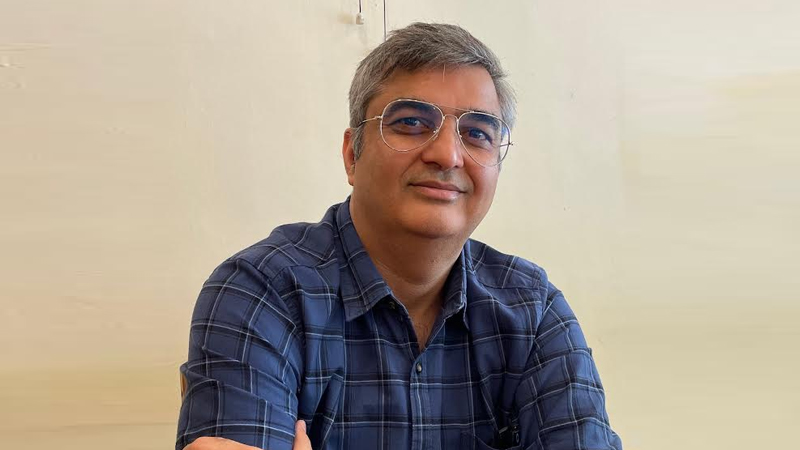
This article has been authored by CMO Rishi Sharma





Brands
Hyundai Motor India rolls out nationwide AC check-up camp from April 10
Limited-period service drive offers discounts, free checks to beat summer heat
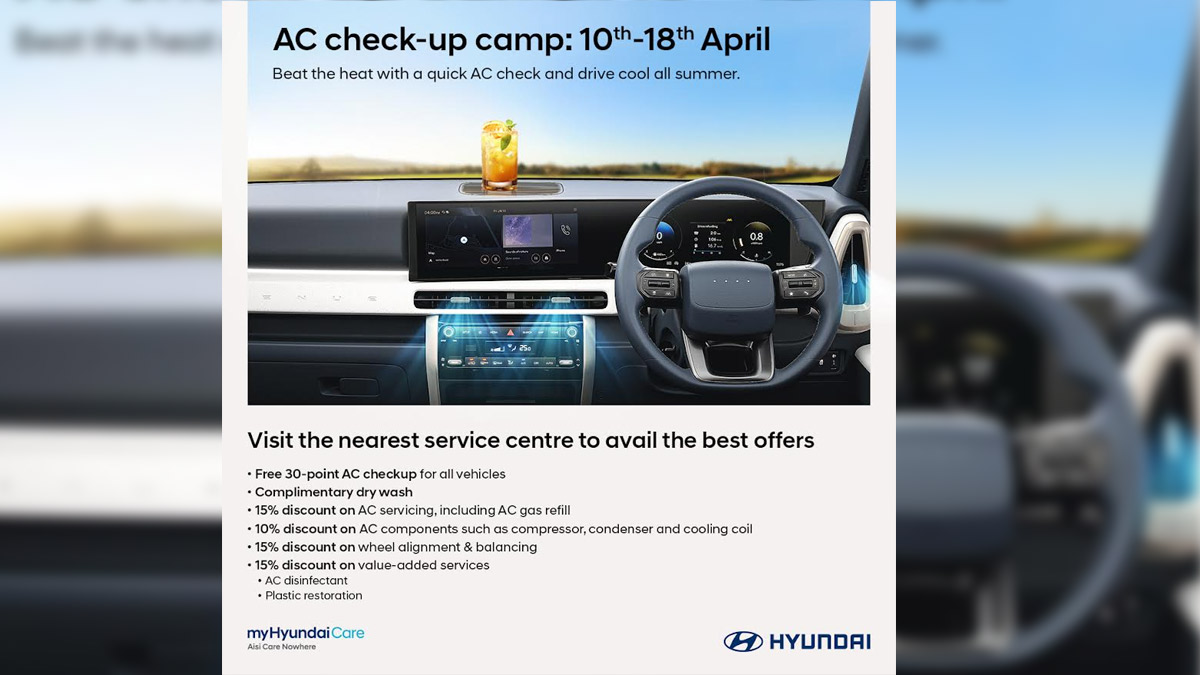
GURUGRAM: Hyundai Motor India Limited has announced a nationwide AC check-up camp, rolling out from April 10 to April 18, as temperatures climb and car cabins begin to feel the heat.
The initiative is designed to keep vehicles cool and customers comfortable, offering a mix of free inspections, discounted services and value-added benefits across Hyundai’s extensive service network in India.
As part of the limited-period campaign, customers can avail a complimentary 30-point vehicle check-up along with a free dry wash. The company is also offering a 15 per cent discount on AC servicing, including gas refills, and similar savings on wheel alignment and balancing. Key AC components such as compressors, condensers and cooling coils will be available at a 10 per cent discount, while value-added services like AC disinfectant treatments and plastic restoration also come with reduced pricing.
The camp will be hosted across authorised Hyundai workshops nationwide, allowing customers easy access to trained technicians, genuine parts and diagnostic support without the usual hassle.
Speaking on the initiative, Hyundai Motor India Limited national service head Nilesh Shah said, “At HMIL, customer satisfaction and convenience remain at the core of our service philosophy. With the onset of summer, we are pleased to introduce our nationwide AC check-up camp to ensure that our customers enjoy a comfortable and hassle-free driving experience. This initiative reflects our commitment to delivering proactive care and enhancing vehicle performance through our strong service network across India.”
With mercury levels on the rise, Hyundai’s timely service push aims to ensure drivers stay cool behind the wheel while also nudging them towards preventive maintenance, a small check today that could save a larger repair tomorrow.






