Digital
TEZASIA Hackathon 2023 concludes successfully!

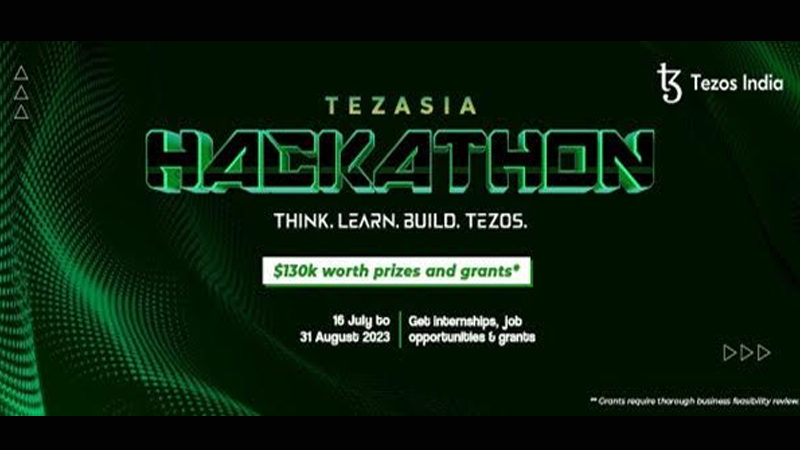
Mumbai: Tezos India, a leading blockchain adoption entity announced the successful completion of TEZASIA 2023, one of Asia’s largest Tezos hackathon. Spanning an entire month, this hackathon drew participation from more than 14,000 developers, reinforcing its position as a pivotal event in the Asian developer community. The primary objective of this event was to nurture blockchain talent and promote awareness of Tezos blockchain technology in Asia.
The hackathon received an overwhelming response, with over 1000+ project ideas submitted, resulting in the creation of more than 200+ projects. These projects showcase the immense potential of blockchain technology to revolutionise various industries.
Speaking about the remarkable success of TEZASIA Hackathon 2023, Tezos India head of operations Poorvi Sachar, expressed her enthusiasm, stating, “TEZASIA Hackathon 2023 marks a significant milestone for Tezos India and the broader blockchain industry. Our mission is to eliminate barriers to blockchain technology adoption by bringing together developers, companies, and Web3 innovators on a unified platform. I am delighted to witness the rich and diverse talent pool within the blockchain community, capable of positioning India as a global hub for Web3 innovation.”

She added, “The high-quality projects delivered by participants have opened new horizons for innovation, and Tezos India remains committed to simplifying blockchain technology for its widespread adoption.”
Tezos India is dedicated to providing continued support to the projects that emerged from TEZASIA Hackathon 2023 as they embark on their innovation journey. Annexure I below is a list of 9 projects selected for the final pitch in front of an esteemed panel of judges (not ranked):
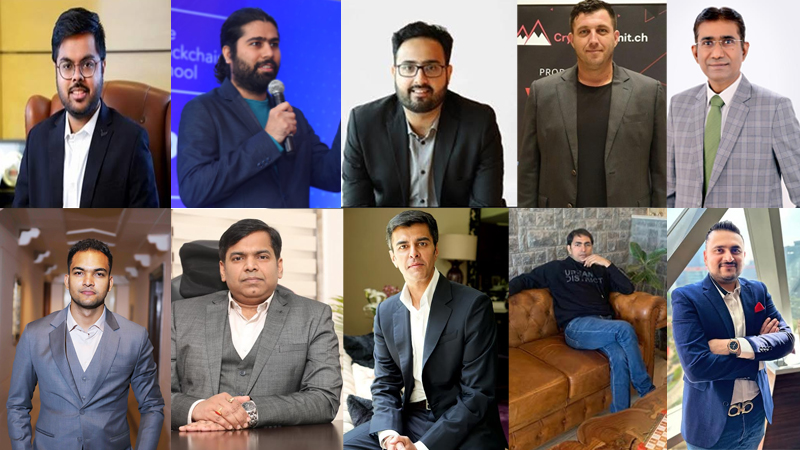
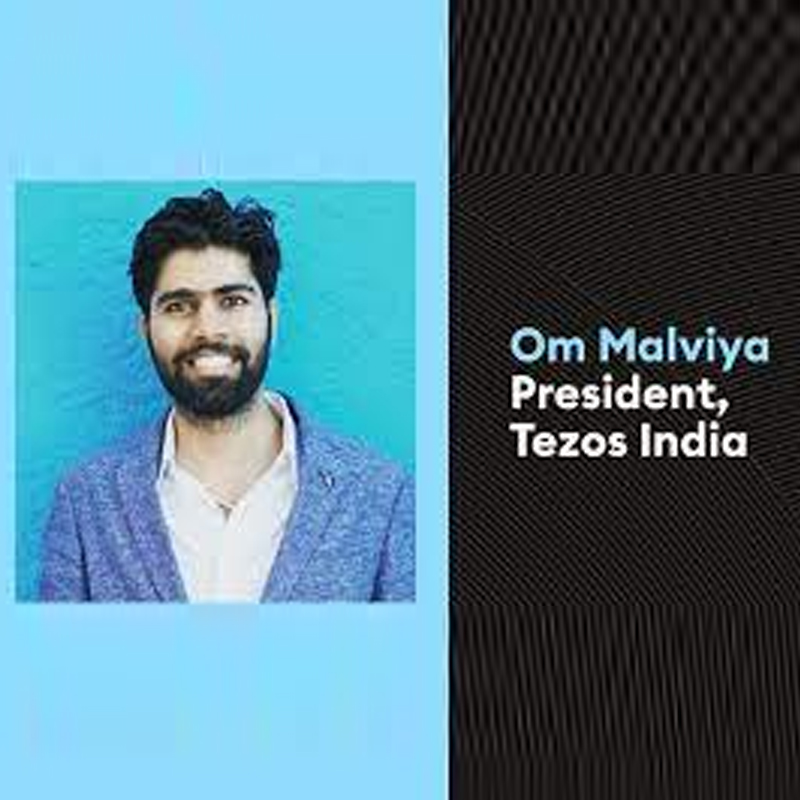
The Demo Day at TEZASIA Hackathon 2023 featured a distinguished panel of judges at the forefront of their respective fields. The esteemed judges included Tezos India president Om Malviya, Tezos India head of growth Amanjot Malhotra, Builders Trube startup analyst Ayush Patel, Graviton co-founder Vishal Sanap, and Foundership head of capital Pranav.
The feedback from participants was highly encouraging. During the hackathon, the developers found Tezos tools highly useful and appreciated Tezos India’s inclusive approach towards blockchain governance. The developers really liked the on-chain protocol upgrades which allows active participation from the community in the evolution of Tezos Blockchain.
Overall, TEZASIA Hackathon 2023 stands as a testament to the thriving blockchain ecosystem in Asia and the global potential of Tezos technology. The remarkable turnout of developers, the innovative projects, and the spirit of collaboration demonstrated throughout the event confirm that the hackathon was a resounding success, further solidifying Tezos India’s commitment to advancing blockchain innovation.
Annexure I
Blocks Gaming – A platform where traditional gaming converges with blockchain innovation, offering a comprehensive web-based gaming experience with NFTs, staking, and asset ownership. This project is built by Yadnyesh, Paras Raut, Ishan Dhyani, and Harsh Tulli.

TezoTix – A blockchain-based movie ticketing service that utilizes non-transferable NFTs for faster, more secure, and anonymous movie ticket purchases, eliminating duplicates and fake tickets. This project is built by Ankit Choudhary and Atharv Varshney.

Owl – A decentralised solution for gaming distribution through NFT licensing. This project was developed by Sahebjeet Singh, Prabhpreet Singh, Jasmeet Singh and Surkhab Singh.

Healthcare Record Management Project – Revolutionising healthcare record management through blockchain, facilitating secure data sharing, interoperation, and seamless collaboration among doctors, patients, and diagnosis centres. This project is built by Pranay Pandey.

FunSurf – Built on the Etherlink rollup, FunSurf brings a player-centric approach to decentralised gaming, making it accessible and enjoyable for all. This project is built by Shwetal Soni and Anshit.

AnswerNFT – Minting unique puzzles, riddles and questions as NFTs, and selling ownerships via solutions. This project is developed by Saksham Bisen.

Gamify – Gamify is a platform designed to cater to gaming enthusiasts and crypto enthusiasts alike. It combines the thrill of gaming with the potential for financial gain, creating an ecosystem that is both entertaining and rewarding. This project is developed by Kanishk Chhabra and Mayank Goel.

FlexPass – A Blockchain-based Movie Ticket Booking Platform. Revolutionising the movie-watching experience for everyone, incorporating ticket resale. This project is built by Sanjeeban Parasar, Shweta Sanadhya, Tejas Dumbre, Varun Khachane.

Roll The Dice – Roll the dice is a multi-player number (1-6) guessing and betting (tez) game on tezos blockchain. This project is built by Ishant Dahiwale.



Digital
OpenAI’s Stargate lead Peter Hoeschele exits with two senior leaders
Trio behind compute push set to join new startup amid leadership reshuffle
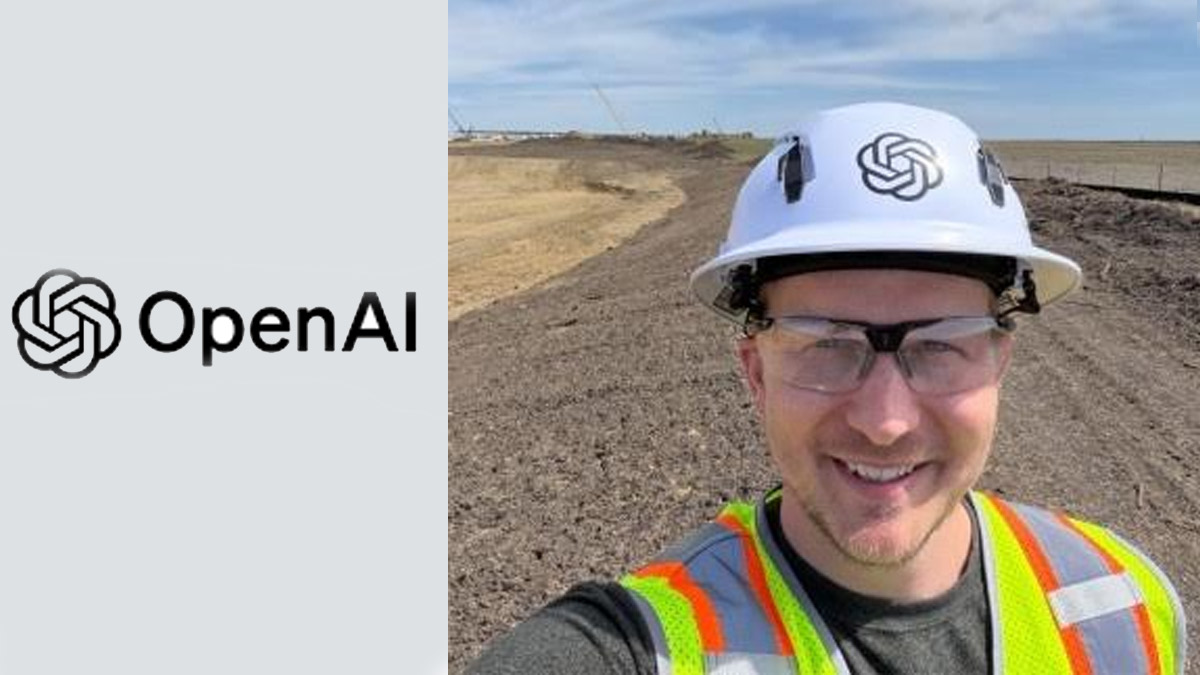
SAN FRANCISCO: Peter Hoeschele, a key figure behind OpenAI’s early Stargate data centre initiative, has exited the company, according to a report by The Information.
The departure is part of a broader leadership shift, with two other senior executives, Shamez Hemani and Anuj Saharan, also set to leave in the coming days. All three are expected to join the same new startup, although details about the venture remain under wraps.
The trio played a central role in OpenAI’s Stargate effort, an initiative aimed at building large-scale data centre capacity in-house to reduce reliance on external infrastructure providers. Their exits mark a notable moment for the company’s compute strategy as it continues to scale rapidly.
OpenAI spokesperson said in a statement to The Information, “We’re grateful for the contributions Peter, Shamez, and Anuj have made to OpenAI and wish them the very best in what comes next.” The company also pointed to the recent appointment of Sachin Katti to lead its industrial compute organisation, signalling continuity in its infrastructure roadmap.
OpenAI has indicated that it does not plan to directly replace Hoeschele’s role, suggesting a possible restructuring of responsibilities within the team.
As competition intensifies in the race to build next-generation AI systems, leadership changes in core infrastructure teams are likely to draw close attention. For now, the spotlight shifts to what this departing trio builds next, and how OpenAI adapts as it scales its ambitions.







