MAM
Television looks ‘Outdoors’

There’s no escaping now, everywhere you go it follows, across buses, trains, kiosks and more. Striving to use every possible object within its reach to grab eyeballs. Such is the impact of outdoor advertising!
 It is estimated that currently, the outdoor space availability in metros is ‘zero.’ With festivity around the corner, television channels are beefing up their programming and the most opportunistic way to utilize advertising appears to be via this medium.
The outdoor business is estimated to be growing at 20 per cent and the size of the organized industry alone has been pegged at Rs 11 – 12 billion by industry experts. These figures are proof that advertisers’ dependence on outdoor has significantly increased.
 The biggest players this year among television channels are the ususal suspects Sony, Star and Zee. The average spends among these channels is estimated to be close to Rs 700 – 800 million annually on outdoor advertising. 30 per cent of these spends are dedicated to the festive rush spanning September – December, says Star Sight CEO Sanjay Shah.
Bright director Yogesh Lakhani opines that spends usually go up by 15 – 20 per cent during the festive period. Jhalak Dikhla Ja got the ball rolling for Sony but now Kaajal and Extraaa Innings from the same stable are straddling Mumbai city. It is believed that more than 50 per cent of Sony’s spends in launching properties is dedicated to out of home.

Star has followed suit with its three big launches Antariksh and yet to be launched Paraya Dhan and Sathi Re. Naach Baliye was also given this life-size value during its launch period.
 In pictures: Different mediums used in Outdoor In pictures: Different mediums used in Outdoor |
Zee went all the way with Betiyann and is planning to use outdoor to build the buzz for the Sa Re Ga Ma finale on 28 October, as well as the newly launched youth block Klub. Zee alone is estimated to spend about 15 to 20 million on each property.
In addition to these big players, other contenders currently in the outdoor space include Disney Channel with its latest local offering Vicky Aur Vetaal and Tata Sky’s DTH platform battling it out with Dish TV. Primesite head GM West Aneil Deepak remarks that channels usually adopt a dual strategy, whereby 30 – 40 per cent of their spends go to permanent sites on an annualized basis, however in promoting certain properties they will increase their spends depending upon its significance.
Outdoor is consistently used by channels as it not only acts as a reminder medium but it also gets people to sample a new show. Ogilvy Activation country head – Landscapes and Signscapes Nabendu Bhattacharyya opines, “Outdoor builds quick awareness and is the most cost efficient option. It is beneficial because it can be city specific and have a customized plan by which campaigns can run from 7 days to months.”
 Though the outdoor industry falls short of a common currency measure, individual specialists with the likes of Star, Sony Entertainment, Zee TV, Times Now and Sahara that use outdoor all the year round, have their own proprietary tools to derive accountability from the medium.
Besides TV, the biggest spender this year are from the Telecom sector says Aaren Initiative president Vivek Lakhwara. Reliance and Airtel have a pan Indian presence, adds Shah. “Normal medium vacancy level of 20 per cent during the year becomes zero during September to December as brands like telecom, finance, press, automobiles, radio are also fighting to grab the available spots,” says Bhattacharyya.
Going beyond billboards and bus shelters out of home as a category is fast expanding into areas like retail and entertainment. With emerging technology like LED screens, interactive facia at malls, backlit air blimps and large building wraps, Bhattacharyya forsees, “Airport advertising will take on a much greater significance with clients. Technology driven platforms like bluecasting will see the emergence of different options available to advertisers which will add to the array of the outdoor armament.”
 The future is bright! On a rather optimistic note, Bhattacharyya predicts that this year will prove to be a watershed year for the outdoor advertising industry. “The area of consolidation both from a buyer and the concessionaire’s perspective, is around the corner. It has happened the world over and India will prove to be no different. The outdoor specialists will control about 75 to 80 per cent of the entire outdoor market in India in two years time and consolidation amongst them will also happen very quickly. Alliances and mergers will take place, media groups will broaden their services, bandwidth will be built in order to deliver efficiencies and scale, and the big buyers will only get bigger.”
He also sees foreign investors and large media groups waiting for an opportunity to lunge into the Indian market. He says, “The big daddies like Viacom, Clear Channel and Decaux know it’s a profitable business to get into. They are just hoping and crossing their fingers that tighter legislation and better regularities come into play, for them to invest long term in India.”
Of course, one such biggie has already made a quiet landing on Indian shores. News Outdoor India (NOI), the local arm of News Corp’s OOH subsidiary News Outdoor Group (NOG) and headed by a former senior executive of Star India Sumantra ‘Sumo’ Dutta, has been operating in the country for the last six months.


MAM
Beacon Group appoints Dr Rajesh Patel as Group CEO
36-year healthcare veteran to lead Beacon Diagnostics, Vector Biotek, Biogeny.
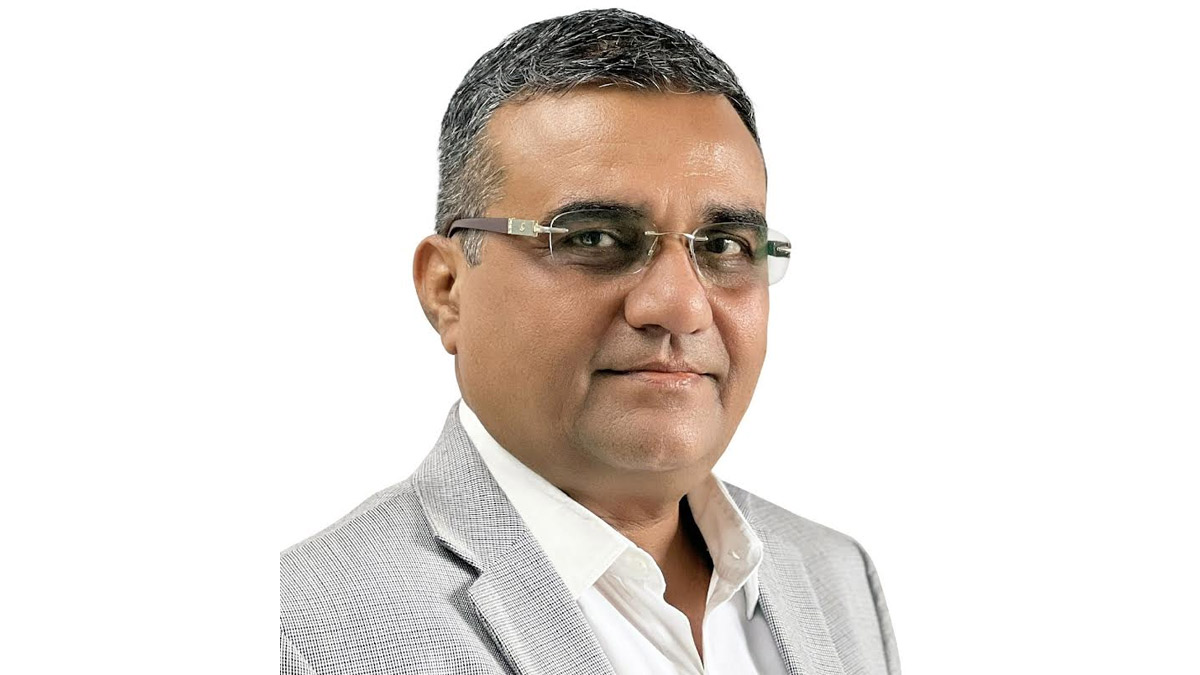
MUMBAI: A new chief, a fresh diagnosis and a sharper prescription for growth. Beacon Group has appointed Dr Rajesh Patel as its Group Chief Executive Officer, effective April 1, 2026, signalling a decisive push to scale its presence in the diagnostics and IVD space. Patel steps into the role with 36 years of experience across the healthcare and diagnostics industry, bringing a career shaped by leadership roles spanning sales, marketing, business development and operational strategy. His mandate is both expansive and precise: to steer the group’s overall strategic direction while tightening coordination across its three core entities Beacon Diagnostics, Vector Biotek and Biogeny Diagnostics.
In practical terms, that means driving cross-company synergies, accelerating market expansion and strengthening organisational capability areas increasingly critical as diagnostic players compete for scale in a fragmented yet rapidly evolving healthcare ecosystem. The group is positioning itself to capture unmet demand across chain laboratories, key accounts and standalone labs, segments that remain underserved despite growing diagnostic needs.
The appointment comes at a time when the In Vitro Diagnostics (IVD) sector in India is entering a more competitive and innovation-led phase, with companies focusing not just on product pipelines but also on service delivery, integration and customer-centric models. Beacon’s leadership appears to be betting that Patel’s execution-focused approach can help translate ambition into operational momentum.
Welcoming the appointment, Chairman Dr D K Joshi described Patel’s induction as a strategic move aligned with the group’s long-term vision, emphasising the role of leadership depth in navigating the next phase of growth.
For Beacon Group, the message is clear, in a sector where precision matters, leadership is the new differentiator—and this appointment is intended to set the tone for what comes next.






