Brands
“Technology will continue to play a significant role in our growth strategy”: HairOriginal’s Jitendra Sharma

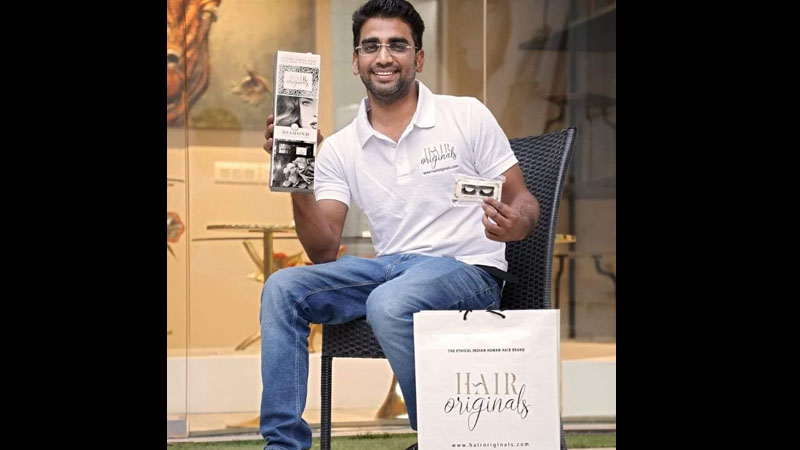
Mumbai: HairOriginals is a Gurgaon-based 100% natural hair extension and wig marketplace co-founded by Jitendra Sharma and Piyush Wadhwani. Founded in 2019, HairOriginals was bankrolled in the first season of Shark Tank India by Ashneer Grover, Peyush Bansal, and Anupam Mittal.The company operates in approximately 22 countries serving leading luxury salons in the United States, Europe, and Africa.
Sharma is the co-founder and CEO of Hair Originals. An IIT-graduate, Sharma has a diverse global work experience across America, Europe, Asia, Africa, and the Middle East. He made the decision to leave his job and relocate to India. In 2019, he started Hair Originals and established the production unit. He aspires to provide the best hair extension goods and services in India and around the world and organize the industry.
Indiantelevision.com caught up with Sharma, who gives detailed information on the formation of the company.

Edited excerpts
On inspiration to enter the female-dominated hair extension industry
As the founder and CEO of HairOriginals, my journey into the female-dominated hair extension industry began with several enriching interactions during my 11-year career with Total, a leading Oil and Gas company. While working in over 35 countries, I often engaged in conversations with my female colleagues. A recurring topic was the significant demand for human hair extensions, particularly from India. Initially, I didn’t give it much thought, but gradually, my curiosity grew.
Upon in-depth research, I discovered India was a leading player in the global market for human hair extensions and wigs. However, what struck me was the unorganized nature of this sector in India. Despite the high demand, there was a lack of structured companies in this space. This realization was a turning point for me. I saw an opportunity to not only enter a market with immense potential but also to bring a level of organization and quality that was missing.
The idea of creating a global brand from India, in a field that was traditionally female-dominated, was both challenging and exciting. I was motivated by the prospect of revolutionizing this industry by introducing advanced manufacturing technologies and ethical practices. My technical background from IIT Delhi and my international exposure provided me with a unique perspective and the skills necessary to innovate in this space.
Thus, I decided to leave my stable job and move back to India to start HairOriginals. My vision was clear – to establish a brand that would stand for quality, innovation, and ethical sourcing in the hair extension industry. I aimed to create a company that would cater to the domestic market but leave a mark globally.
This venture was more than just a business opportunity; it was a chance to redefine an industry and create a brand that India could be proud of on the global stage. However, I also hoped to build a company that uplifts women and contributes towards their empowerment. Today, I am proud to say that most of our products are for women and made by skilled women workers. Over the years, we have appointed several qualified women to key positions in our company, further emphasizing our commitment to empowering women in every aspect of our business and uplifting their confidence.
On explaining the key strategies or innovations used to reinvent this industry and create a 50-crore business
When I embarked on the journey with HairOriginals, my goal was to enter the hair extension industry to revolutionize it. To build a business worth 50 crores, we focused on several key strategies and innovations. Firstly, we recognized the need for high-quality, ethically sourced hair extensions. We saw that the market was flooded with substandard products, and there was a lack of transparency in sourcing. So, we committed to using 100% natural human hair, ensuring ethical sourcing practices. This practice set us apart and built trust with our customers.
Another strategy was bringing manufacturing technology to India. Traditionally, despite India being a leading source of human hair, the manufacturing was predominantly done overseas. By setting up manufacturing in India, we were able to control quality, reduce costs, and offer competitive pricing. We also understood the importance of customer experience in a niche, experiential product category like ours. To address this, we established experience centers across major cities. These centers are not just sales points but places where customers can experience our products firsthand, get consultations, and find the perfect match for their needs.
Innovation played a crucial role as well. We developed AI-based tools like the Color Match feature, which helps customers find the perfect shade for their hair extensions online. This technological advancement bridged the gap between online shopping and the need for a personalized experience. Lastly, we focused on omnichannel marketing. By recognizing the diverse customer base, we maintained a strong online presence while establishing physical stores. This approach helped us reach a wider audience and cater to different shopping preferences.
Our journey to creating a 50 crore business was about understanding the market gap, focusing on quality and ethics, leveraging technology, and creating a unique customer experience. These strategies helped HairOriginals stand out and become a leader in the hair extension industry.
On specific market gaps or opportunities did the team identify within the hair extension industry that led to their success
When we started HairOriginals, we identified several market gaps and opportunities in the hair extension industry that were crucial to our success. We noticed a significant gap in quality and ethical sourcing. Many products in the market were of low quality, and there was little transparency about where and how the hair was sourced. We saw an opportunity to provide high-quality, 100% natural human hair extensions, ensuring our sourcing was ethical and transparent. This approach gave us a competitive edge.
Another gap was the lack of organized players in the Indian market. Despite India being a significant source of human hair, the industry was largely unorganized and fragmented. We aimed to bring a level of professionalism and organization to the market, positioning HairOriginals not just as a product provider but as a brand synonymous with quality and reliability. We also realized that the customer experience in buying hair extensions was not optimal. Many customers were hesitant to purchase such personal and experiential products without trying them first. To address this, we established experience centers in major cities. These centers allowed customers to experience our products firsthand, receive expert consultations, and find the perfect match for their needs, enhancing the overall customer experience.
Technological innovation was another area where we saw a gap. The industry was lagging in adopting technology to enhance customer experience. We introduced AI-based tools like the Color Match feature, which helped customers choose the right shade of hair extensions online, bridging the gap between online shopping and personalized experience. We identified the opportunity in omnichannel retail. By combining online presence with physical experience centers, we were able to reach a wider audience and cater to different shopping preferences. Identifying and addressing these gaps and opportunities were key to our success, allowing us to create a unique position for HairOriginals in the hair extension industry.
On technology been integrated into the business model to drive growth and scale
Incorporating technology into HairOriginals’ business model has been a pivotal aspect of our growth and scaling strategy. We recognized early on that technology could be a game-changer in the traditionally manual and artisanal hair extension industry. One of the first areas we focused on was manufacturing. We brought advanced manufacturing technologies to India, which marked a significant shift from the traditional methods used in the hair extension industry. This improved the quality of our products and increased our production efficiency, allowing us to scale up rapidly while maintaining high standards.
Another key technological integration was in our customer interface. We developed an AI-based Color Match feature, which allows customers to find the perfect match for their hair extensions online. This tool uses artificial intelligence to analyze a customer’s hair color and recommend the most suitable hair extension shade. This innovation bridged the gap between the need for a personalized experience and the convenience of online shopping, making it easier for customers to make confident purchase decisions. We also leveraged technology in our market research and customer engagement strategies to tailor our products and services to customers’ evolving needs.
In addition, we are exploring the integration of Virtual Reality (VR) and Augmented Reality (AR) in our experience centers. This approach will allow customers to virtually try different hair extensions and styles, enhancing their in-store experience. Overall, technology has been a cornerstone in our efforts to modernize the hair extension industry. From manufacturing to customer engagement, technology has enabled us to improve product quality, enhance customer experience, and scale our business effectively. It’s not just about adopting new tools; it’s about transforming how we operate and serve our customers in the digital age.
On marketing or outreach strategies employed to target and engage the audience within this niche market
In marketing HairOriginals, we employed multiple strategies to target and engage our audience in this niche market. Understanding that our customers are looking for quality, reliability, and a personalized experience, we tailored our marketing efforts to meet these needs. We focused heavily on digital marketing. Given the online-savvy nature of our target audience, we leveraged social media platforms extensively. Platforms like Instagram, Facebook, and YouTube were crucial for showcasing our products, sharing customer testimonials, and providing hair care tips. We also used these platforms for influencer collaborations, where recognized beauty and lifestyle influencers would showcase our products, helping us reach a broader audience.
Content marketing was another key strategy. We created informative and engaging content about hair extensions, their care, and the latest trends. This content was not just promotional but educational, helping customers understand our products better and build trust in our brand. We also recognized the importance of a strong offline presence. Our experience centers across 12 major cities played a crucial role in our outreach strategy. These centers provided a space for customers to physically experience our products, get expert consultations, and witness the quality firsthand. This physical interaction was crucial in a market where touch and feel play a significant role in the purchase decision.
Additionally, we participated in beauty and hair exhibitions and events. These events were excellent opportunities for direct customer engagement, brand visibility, and networking with industry professionals. Customer service was also a critical part of our strategy. We ensured that our customer service team was well-trained and equipped to handle queries and provide personalized advice. This approach helped in building long-term customer relationships and a loyal customer base. Our marketing and outreach strategies were a mix of digital and offline efforts, focusing on engagement, education, and experience. By understanding our audience’s needs and preferences, we could effectively communicate a brand’s value and build a strong presence in the niche market.
On future plans HairOriginals have in store to further expand and consolidate their position in the industry
We have several exciting plans and innovations in the pipeline to expand and consolidate HairOriginals’ position in the hair extension industry. One of our primary focuses is on geographic expansion. We plan to increase our presence not just within India but also internationally. By the end of next year, we aim to establish more experience centers in key cities across India, making our products more accessible to a larger audience.
In terms of product innovation, we are continuously working on improving our existing product line and introducing new types of natural hair extensions and wigs. We are researching and developing new products that are easier to use, more comfortable, and offer a more natural look. We are focusing on creating products that cater to a diverse range of hair types and textures, ensuring inclusivity in our offerings.
Technology will continue to play a significant role in our growth strategy. We are working on enhancing our AI-based Color Match feature to make it more accurate and user-friendly. Additionally, we are excited about the potential of integrating Virtual Reality (VR) and Augmented Reality (AR) into our customer experience, both online and in our experience centers. This technology will allow customers to test different hairstyles virtually, further personalizing their shopping experience.
Sustainability is another key area of focus for us. We are committed to making our operations more environmentally friendly. This includes exploring sustainable sourcing options, reducing waste in our manufacturing processes, and using eco-friendly packaging materials. We plan to strengthen our online presence. We will be improving our e-commerce platform to make it more user-friendly and integrating advanced analytics to understand customer preferences. Hence, our future initiatives are aimed at expanding our market reach, ensuring that we stay at the forefront of the hair extension industry worldwide.

Brands
Samsung certifies 1,000 Maharashtra students in AI and coding
The South Korean electronics giant marks its first large-scale skilling push in the state, with women making up nearly half the national programme’s enrolment
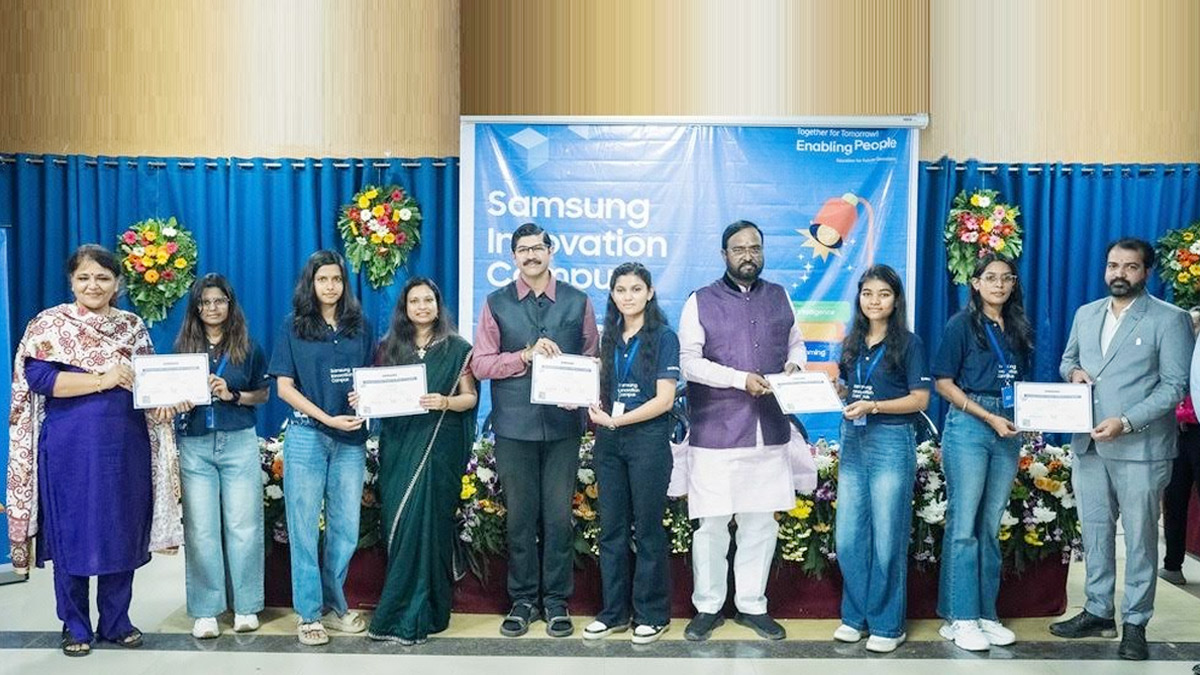
PUNE: Samsung has put 1,000 students in Maharashtra through a certified training programme in artificial intelligence and coding, the largest such drive the South Korean electronics company has run in the state and a signal that corporate India’s skilling ambitions are moving well beyond the boardroom brochure.
The certifications were awarded under Samsung Innovation Campus (SIC), the company’s flagship corporate social responsibility programme, which launched in India in 2022 with the stated aim of democratising access to future-technology education. The 1,000 graduates were drawn from four institutions: 127 from Savitribai Phule Pune University, 373 from Pimpri Chinchwad University, 250 from D.Y. Patil University’s Ramrao Adik Institute of Technology and 250 from Anjuman-I-Islam’s Kalsekar Technical Campus. All completed training in either AI or coding and programming, the two disciplines Samsung has identified as the critical pillars of the digital economy.
The programme does not stop at technical training. Soft-skills development and career-readiness modules are baked into the curriculum, a deliberate attempt to close the gap between what universities teach and what employers actually want.
“India’s digital growth story will ultimately be shaped by the quality of its talent pipeline,” said Shubham Mukherjee, head of CSR and corporate communications at Samsung Southwest Asia. “As technologies like AI move from the periphery to the core of industries, skilling must evolve from basic training to building real-world capability. This milestone in Maharashtra reflects how industry and academia can come together to create a future-ready workforce that is both globally competitive and locally relevant.”
The Maharashtra drive sits within a rapidly scaling national effort. Samsung Innovation Campus trained 20,000 young people across India in 2025, hitting its stated target for the year. Women account for 48 per cent of national enrolments, a figure the company cites as evidence of its push for an inclusive technology ecosystem. The programme is implemented in partnership with the Electronics Sector Skills Council of India and the Telecom Sector Skill Council.
Samsung, which is marking 30 years in India this year, runs SIC alongside two other initiatives, Samsung Solve for Tomorrow and Samsung DOST, as part of a broader effort to build what it calls a generation of innovators with both the technical depth and the problem-solving mindset to thrive in a fast-moving digital world.
A thousand certified students is a tidy headline. Whether they find jobs that match their new skills is the harder question, and the one that will ultimately determine whether corporate skilling programmes like this one are genuine pipelines or well-photographed gestures.






