Ad Campaigns
Tata Power campaign urges millennials and gen Z to think about sustainable & green solutions

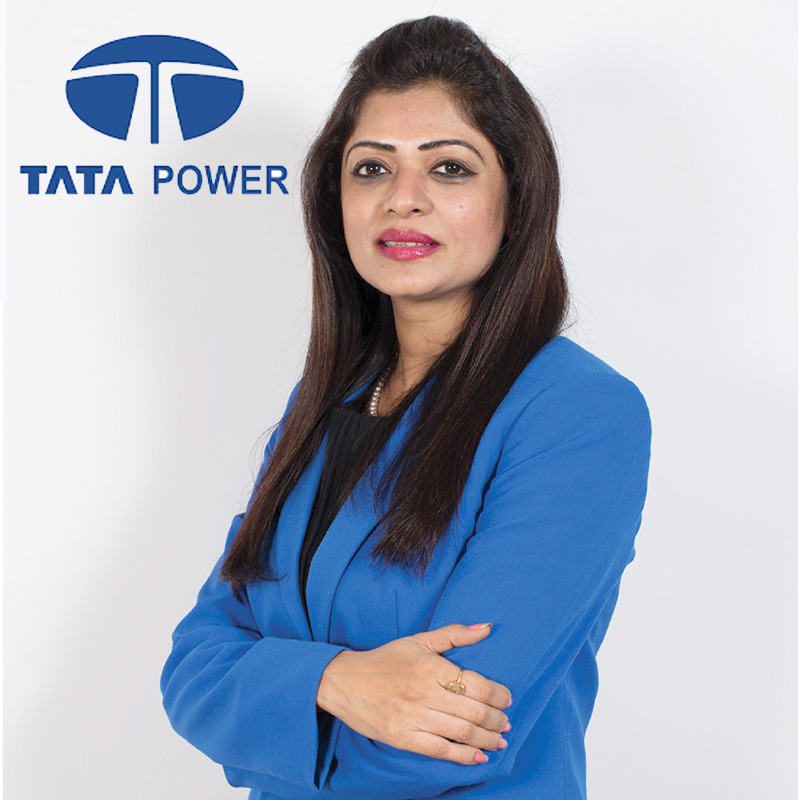
MUMBAI: Tata Power recently launched a nation-wide campaign ‘I have the Power’ to create awareness among the youth about green solutions. Through this campaign, Tata Power aims to promote the core message of opting for environment-friendly means of consuming energy by highlighting a different range of smart and sustainable solutions and services like Solar Rooftop, EV Charging and Solar Micro-grids.
“We started ideating the thought of the campaign in November. A lot of iterations were done during execution owing to the shift from B2B to B2C market. We wanted to explore all the new-age platforms that resonate with millennials and gen Z keeping into account the perception about Tata Power and the value that it holds in people’s minds. It was a process of three months but the execution never really stopped since we were open to modification at every stage basis in-depth analysis of what is working well for us and what is not,” says Tata Power chief corporate communications and sustainability Shalini Singh.
Tata Power, in a fresh move, also partnered with TikTok. This platform helped the campaign to garner traction and ensured virality of content.

Singh echoes, “As we moved along the way, we undertook an innovative approach to promote the campaign through influencer marketing on new age media platforms such as Snapchat and Quora. The three-phased campaign also includes digital, ATL and BTL mediums such as radio advertising and out-of-home (OOH) to communicate the value of its unique offerings to enlightened and evolved citizens.”
Through geo-targeting, the campaign will also make its way into 30 major Indian cities such as Vizag, Madurai, Coimbatore, Mangalore, Mysore, Belgaum, Chennai, Panjim, Cochin, Trivandrum, Hyderabad, Mumbai, Nashik, Kolhapur, Lucknow, Agra, Ahmednagar, Amritsar, Gurugram, Delhi, Udaipur, Jodhpur, Bhopal, Gandhinagar, Indore, Ranchi, Jaipur, Kolkata, Gwalior and Kharagpur.
Tata Power roped in Shardul Thakur, a member of the Indian cricket team for the endorsement. According to the company, Thakur will help create awareness about sustainable and green solutions that will inspire millennials and Gen Z to make a difference by contributing to a cleaner tomorrow.
The campaign is conceptualised by Singh and will be promoted through various social media platforms like Snapchat, TikTok, Quora, Instagram, Twitter, LinkedIn, Facebook, radio – Red FM and Radio City, BEST and AC Bus advertising in Mumbai and Delhi and YouTube ads.
Tata Power also stated that it has collaborated with the Rockefeller Foundation to set up 10,000 micro-grids in India. According to the firm, rural businesses and households continue to rely on alternative sources to power daily needs—with more than 40 per cent of rural enterprises in states like Bihar and Uttar Pradesh relying on non-grid sources of power such as diesel. In collaboration with TP Renewable Microgrid Ltd, the firm aims to provide a competitive and cleaner source of power, expanding access and lowering effective electricity costs and carbon emissions by 1 million tons per year as well as reducing the amount of diesel burned by 57 million litres yearly.
TP Renewable Microgrid Ltd will be operated and managed by Tata Power with approximately 11,000 MW of installed generation capacity and over 2.6 million customers under management across Delhi, Ajmer and Mumbai. Tata Power brings significant experience in distributed energy, having established a joint venture with Delhi government to serve a large portion of the local population, including sizeable slum communities.
Speaking on future campaigns for bringing sustainable solutions Singh says, “We have been leading the change through various campaigns under our energy and resource conservation initiative ‘Club Enerji’ when it comes to promoting responsible advocacy amongst future generation through sustainable solutions. We have done various campaigns like “Switch off 2 Switch On” that focuses on the need to conserve electricity by switching off appliances when not in use. The second leg of this campaign was, “I CAN” wherein we roped in kids to imbibe the idea of how everyone has the power to make a difference.”
Tata Power becomes the first Indian utility company to undertake a new-age campaign of this nature. The idea is to start the process of change in the behaviour and attitude of youngsters towards critical societal issues.
Singh concludes, “The campaign is designed to educate our stakeholders about the various new offerings of Tata Power along with the benefits attached to it on a personal & global level.”



NATIONAL: Amazon Ads has laid out a sharply tech-led vision for the advertising industry in 2026, arguing that artificial intelligence, streaming TV and creator partnerships will combine to turn brand building into a more precise, performance-driven business.
At the heart of the shift, the company says, is the fusion of AI with Amazon’s vast trove of shopping, browsing and streaming signals, allowing advertisers to move beyond blunt reach metrics to campaigns designed around real customer behaviour.
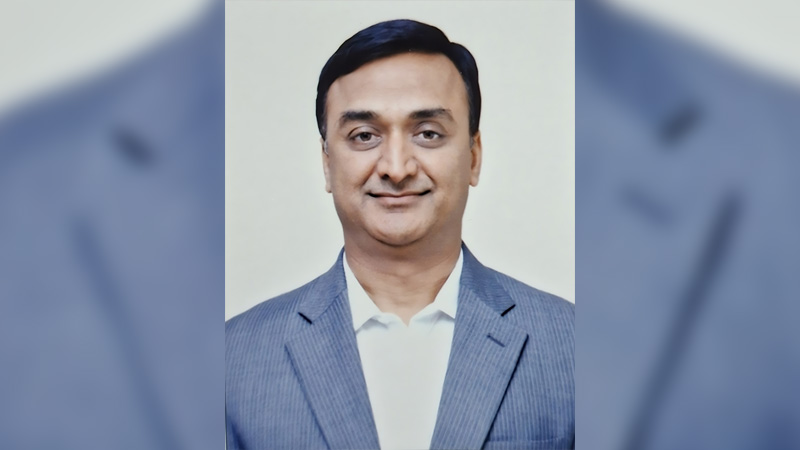
“The future of advertising is not about reaching more people, but the right people with messages that resonate,” said Amazon Ads India head and vice president Girish Prabhu. “By combining AI with deep customer insights, we help brands move from broadcasting campaigns to having meaningful conversations wherever audiences spend their time.”
One of the biggest changes, according to Amazon Ads, will be the collapse of the wall between media planning and creative development. Retail media, powered by first-party data, is increasingly shaping everything from brand discovery to final purchase, pushing marketers to design campaigns around audience insight rather than internal instinct.
AI is also moving from a support tool to a creative engine. Agentic AI, which automates and accelerates production, is expected to make high-quality creative accessible even to small businesses, compressing weeks of work into hours and giving challengers the ability to compete with larger brands on speed and scale.
Behind the scenes, AI-driven analytics will take on a bigger role in campaign optimisation, identifying patterns, spotting opportunities and recommending actions that would previously have required teams of analysts.
Streaming TV is another big battleground. With India’s video streaming audience now above 600 million and connected TV users at 129.2 million in 2025, advertisers are set to treat streaming not just as a branding channel but as a performance engine, measured increasingly by sales, sign-ups and bookings rather than just reach.
Finally, Amazon Ads sees creators and contextual advertising reshaping how brands tell stories. Creators will act less like influencers and more like long-term partners, while scene-aware ads on streaming platforms will allow brands to insert hyper-relevant offers into the flow of what viewers are watching.
Taken together, Amazon Ads argues, these shifts mark a move towards advertising that is both more human and more measurable, where AI handles the complexity, and creativity does the persuading.






