MAM
Tarun Garg takes charge: Hyundai India gets its first homegrown boss


GURUGRAM: The corner office at Hyundai Motor India has finally gone desi. On 1 January Tarun Garg became the first Indian to steer the Korean carmaker’s Indian subsidiary as managing director and chief executive officer—a milestone 29 years in the making. It is less a changing of the guard than a vote of confidence in India’s automotive swagger.
Garg is no rookie. With 32 years navigating the treacherous bends of India’s car business, he is that rare beast: an engineer who can read balance sheets and a marketer who understands manufacturing floors. A mechanical engineer from Delhi Technological University and an MBA from IIM Lucknow—India’s premier management stable—he cut his teeth at Maruti Suzuki, eventually rising to executive director of marketing, logistics, parts and accessories. That is where he learned the dark arts of India’s hyper-competitive auto retail game.
But it was at Hyundai where Garg truly hit his stride. First as head of sales, service and marketing, then as whole-time director and chief operating officer, he orchestrated a remarkable run. Under his watch, Hyundai notched three consecutive years of record sales, minted its fattest-ever profit margins, and pulled off India’s biggest-ever initial public offering in 2024 — a whopping debut that made global headlines. He also steered Hyundai to dominance in India’s booming sport-utility vehicle segment, an achievement in a market where SUVs have become the new sedans.

His expertise spans the full automotive playbook: sales strategy, distribution networks, financial management, product planning, and brand communication. More tellingly, he appears to grasp that cars are no longer just metal and wheels but rolling software platforms. Not bad for a warm-up act.
Now the main event begins. Garg’s pitch? Transform Hyundai India into a “global hub” whilst doubling down on electric vehicles, hybrids, and connected mobility. The shopping list is hefty: Rs 45,000 crore (roughly $5.3 billion) earmarked for investment by 2030. That is serious money chasing serious ambitions—making India not just a market, but a manufacturing muscle for exports to emerging economies.
His strategy rests on four pillars that sound sensible until you consider the potholes ahead: future-ready tech (read: EVs in a country still sorting out charging infrastructure), people power (empowering dealers and suppliers), customer obsession (a given in cutthroat Indian auto retail), and “Make in India, Made for the World” muscle-flexing. Easier said than done when global supply chains hiccup and tariffs loom. Still, Garg talks a good game. “India’s automotive industry is at an exciting inflection point,” he says. Fair enough—he has earned the right to dream big.
Those who have worked with him describe a people-first boss who blends hard-nosed commercial instincts with genuine empathy—a combination rarer than hen’s teeth in India’s often cutthroat corporate culture. His “Samarth by Hyundai” initiative, aimed at improving accessibility for people with disabilities, suggests he is not all spreadsheets and sales targets. It is the sort of programme that wins awards and hearts, though the real test is whether it moves metal off forecourts.
What sets Garg apart is his ability to juggle the contradictions of modern Indian business: pushing digitisation whilst managing thousands of old-school dealers, championing EVs in a country addicted to petrol, and exporting globally whilst satisfying voracious domestic demand. He talks of “agility, conviction and purpose”—the trinity of management buzzwords—but his track record suggests substance beneath the jargon.
The timing is exquisite. India’s car market is booming, electrification is (slowly) gathering pace, and Korean headquarters clearly reckons local nous beats imported management. Whether Garg can navigate India’s chaotic roads, fickle buyers, and the looming EV transition remains to be seen. But for now, Hyundai India has put an Indian hand on the wheel. Buckle up.





MAM
Ameya Velankar steps down as Uber’s head of marketing for India & South Asia
Veteran marketer exits after more than seven years with the ride-hailing giant.
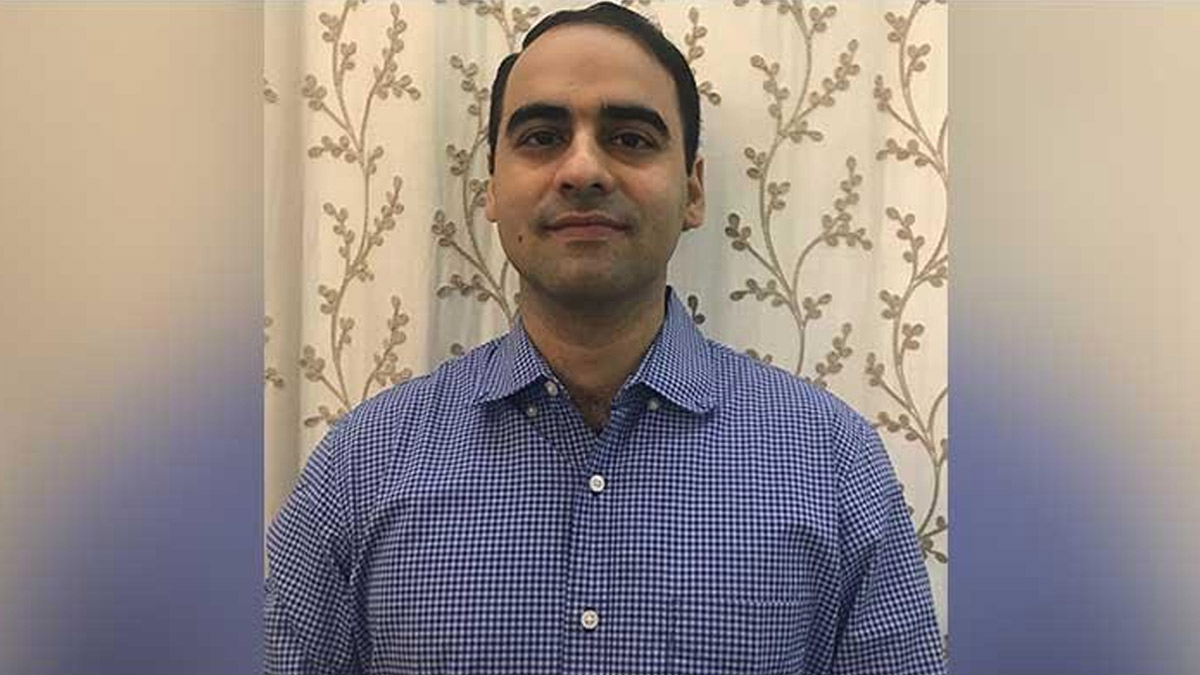
MUMBAI: After more than seven years of steering Uber through the bumpy roads of India’s mobility market, Ameya Velankar has decided to change lanes. Ameya Velankar has stepped down as Head of Marketing for India and South Asia, marking the end of a significant chapter at the ride-hailing company. He had been with Uber since 2019, taking on multiple roles in product and category marketing before rising to lead the marketing function for the region in 2021.
During his tenure, Velankar played a key role in strengthening Uber’s positioning in one of its most competitive and dynamic markets. He helped drive localised marketing strategies and scale adoption across key offerings such as Auto, Moto, Rentals and Intercity, tailoring global platforms to Indian consumer needs.
Prior to joining Uber, Velankar built his marketing expertise at leading consumer companies including SC Johnson and Marico, where he handled category and product leadership roles. His career began at RPG Enterprises.
Details of his next professional move have not been disclosed.
In a fast-evolving mobility landscape where brands constantly battle for attention, Ameya Velankar helped Uber stay relevant and resonant with millions of Indian users. As he moves on from the driver’s seat of marketing, the company will now look for fresh ideas to keep its wheels turning smoothly.






