Ad Campaigns
Switch to NPO – A tectonic shift in the snacking industry

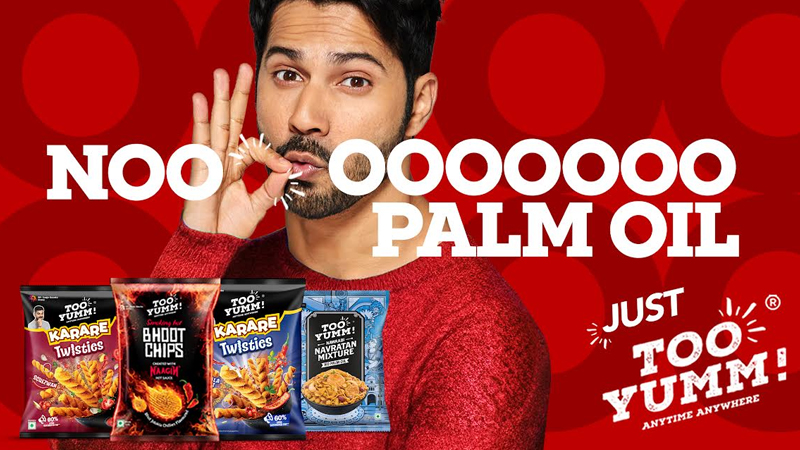
Mumbai: Consumers are becoming increasingly conscious of healthier snacking options, as evidenced by the recent conversations and growing awareness about Non-Palm Oil (NPO) products. This is significantly influencing consumer behaviour and shaping new market trends.
Too Yumm!, the flagship brand of Guiltfree Industries Ltd. owned by the RP-Sanjiv Goenka group, is a brand that has been offering innovative, disruptive, and healthier products since its inception. From introducing Multigrain Chips in unique flavours to being the first brand to bring in the technology of baked snaking products, the brand has been offering consumers better, healthier snacking options.
Furthermore, their entire range of snacks has been with No Palm Oil since the beginning. This innovation has set new industry benchmarks in the snacking industry, inspiring others to follow suit in introducing No Palm Oil snacks. marking a notable shift in the cultural shift in the snacking industry.

To mark its pioneering position, Too Yumm! has launched a new campaign titled ” Switch to NPO (No Palm Oil), reiterating its position as a brand that has been the trendsetter with No Palm Oil in its snacks range. Through this integrated campaign, the brand aims to connect with consumers in driving the conversation on No Palm Oil snacks as healthier snacking options without compromising on taste.
“At Too Yumm!, we have been at the forefront of driving positive change in the snacking industry from day one,” said Guiltfree Industries Ltd vice president of marketing Yogesh Tewari. “Our commitment to offering palm oil-free snacks, including our popular chips range has been unwavering. With the ‘No Palm Oil’ campaign, we aim to reinforce our position as the ‘OG of No Palm Oil Snacks’ and raise awareness about the importance of mindful snacking choices.”
The campaign involves a multi-pronged approach, creatively utilizing digital platforms to emphasize the core messaging of No Palm Oil, including influencer marketing, social media campaigns through quirky posts, memes and on-ground activation across the country.
Too Yumm!’s pioneering stance on avoiding palm oil has garnered widespread acclaim, positioning the brand as the innovator and inspiring industry peers and consumers alike to reevaluate their snack preferences.







NATIONAL: Amazon Ads has laid out a sharply tech-led vision for the advertising industry in 2026, arguing that artificial intelligence, streaming TV and creator partnerships will combine to turn brand building into a more precise, performance-driven business.
At the heart of the shift, the company says, is the fusion of AI with Amazon’s vast trove of shopping, browsing and streaming signals, allowing advertisers to move beyond blunt reach metrics to campaigns designed around real customer behaviour.
“The future of advertising is not about reaching more people, but the right people with messages that resonate,” said Amazon Ads India head and vice president Girish Prabhu. “By combining AI with deep customer insights, we help brands move from broadcasting campaigns to having meaningful conversations wherever audiences spend their time.”
One of the biggest changes, according to Amazon Ads, will be the collapse of the wall between media planning and creative development. Retail media, powered by first-party data, is increasingly shaping everything from brand discovery to final purchase, pushing marketers to design campaigns around audience insight rather than internal instinct.
AI is also moving from a support tool to a creative engine. Agentic AI, which automates and accelerates production, is expected to make high-quality creative accessible even to small businesses, compressing weeks of work into hours and giving challengers the ability to compete with larger brands on speed and scale.
Behind the scenes, AI-driven analytics will take on a bigger role in campaign optimisation, identifying patterns, spotting opportunities and recommending actions that would previously have required teams of analysts.
Streaming TV is another big battleground. With India’s video streaming audience now above 600 million and connected TV users at 129.2 million in 2025, advertisers are set to treat streaming not just as a branding channel but as a performance engine, measured increasingly by sales, sign-ups and bookings rather than just reach.
Finally, Amazon Ads sees creators and contextual advertising reshaping how brands tell stories. Creators will act less like influencers and more like long-term partners, while scene-aware ads on streaming platforms will allow brands to insert hyper-relevant offers into the flow of what viewers are watching.
Taken together, Amazon Ads argues, these shifts mark a move towards advertising that is both more human and more measurable, where AI handles the complexity, and creativity does the persuading.






