MAM
Susan Credle to join FCB Worldwide as global chief creative officer


MUMBAI: FCB Worldwide has appointed Susan Credle as global chief creative officer.
FCB Worldwide CEO Carter Murray and Jonathan Harries, who have served as FCB’s global chief creative officer since 2006, jointly began a search for Harries’ successor a year ago.

“The moment we met Susan, we both felt that she would be the perfect creative leader, given our ambition of being a true creative/business partner to our clients to help change consumers’ behavior. Susan is joining a group of talented creative people and her wealth of experience, perspective and leadership style will make us all that much better,” said Murray.
Harries will become chairman of the network and continue to inspire and counsel. “There is no one who has worked harder and cares more. The chairman title and role, at its best, should be held by someone with stature who commands respect in a company. I can think of no one who deserves that title more,” said Murray.
Credle was most recently chief creative officer at Leo Burnett USA based in Chicago. She joined in 2009 and is credited with spearheading a creative renaissance, creating a collaborative culture, shoring up existing clients and attracting new marketers to the fold. Allstate’s “Mayhem” campaign and P&G’s anti-bullying initiative “Mean Stinks” for Secret are among her acclaimed efforts.
Credle started her career at BBDO New York after graduating. She served as a copywriter and a creative director before ultimately being appointed EVP, executive creative director. During her 24-year tenure at BBDO, she reinvented the iconic M&M’s characters, helped turn Cingular Wireless from a small challenger brand into a category leader, and created award-winning work for clients including Bank of America, FedEx, Gillette, Lowe’s, PepsiCo, Pizza Hut and Visa.
Credle, who will be one of nine jurors charged with bestowing the inaugural Glass Lion at Cannes this year, applauded Murray for his unyielding dedication to finding an unfair share of the best-and-brightest talent.
“I believe what we do in the advertising industry makes a difference. And, I have learned that for us to make a difference, three elements must be present. People, place and purpose. These are the three reasons I am now joining FCB as part of the global leadership team. I respect legacy brands and that includes agencies. In March of 2014, FCB reclaimed its name. It’s a name that has a rich history of creating compelling work that has moved the industry forward. Today, FCB has the ambition and the scale to do this again,” said Credle.
Credle is passionate about how combining art and commerce can make an undeniable difference in the industry and the world. “The challenge of doing so globally is irresistible,” she said.




MAM
Ameya Velankar steps down as Uber’s head of marketing for India & South Asia
Veteran marketer exits after more than seven years with the ride-hailing giant.
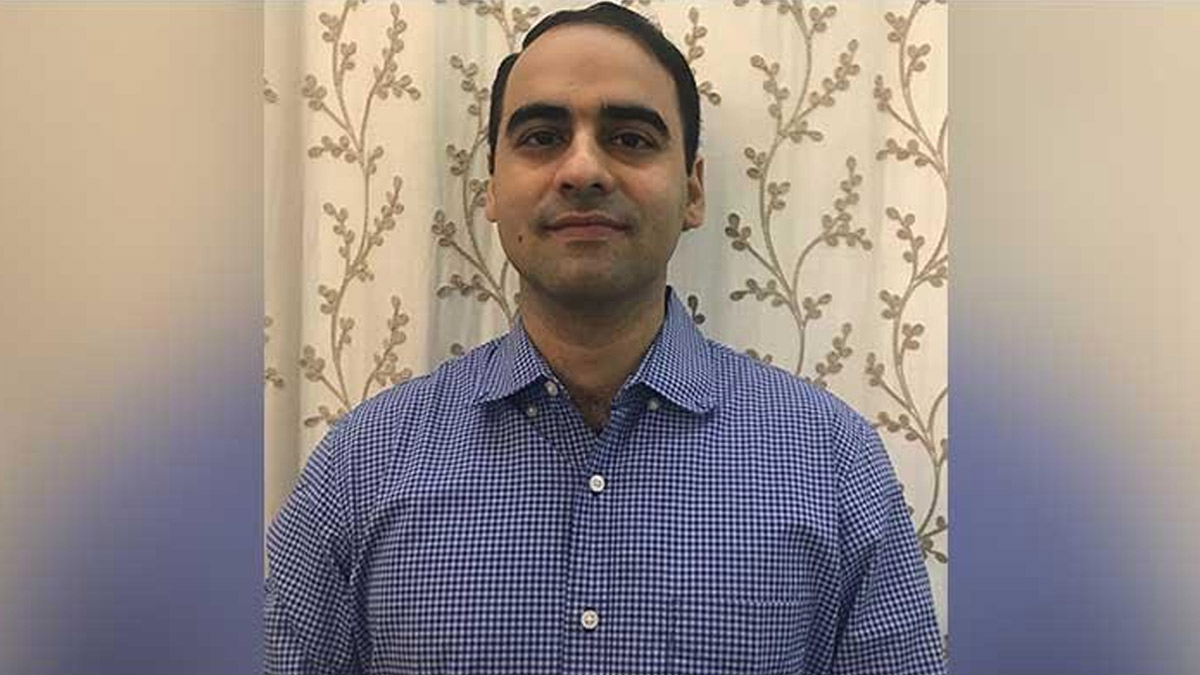
MUMBAI: After more than seven years of steering Uber through the bumpy roads of India’s mobility market, Ameya Velankar has decided to change lanes. Ameya Velankar has stepped down as Head of Marketing for India and South Asia, marking the end of a significant chapter at the ride-hailing company. He had been with Uber since 2019, taking on multiple roles in product and category marketing before rising to lead the marketing function for the region in 2021.
During his tenure, Velankar played a key role in strengthening Uber’s positioning in one of its most competitive and dynamic markets. He helped drive localised marketing strategies and scale adoption across key offerings such as Auto, Moto, Rentals and Intercity, tailoring global platforms to Indian consumer needs.
Prior to joining Uber, Velankar built his marketing expertise at leading consumer companies including SC Johnson and Marico, where he handled category and product leadership roles. His career began at RPG Enterprises.
Details of his next professional move have not been disclosed.
In a fast-evolving mobility landscape where brands constantly battle for attention, Ameya Velankar helped Uber stay relevant and resonant with millions of Indian users. As he moves on from the driver’s seat of marketing, the company will now look for fresh ideas to keep its wheels turning smoothly.






